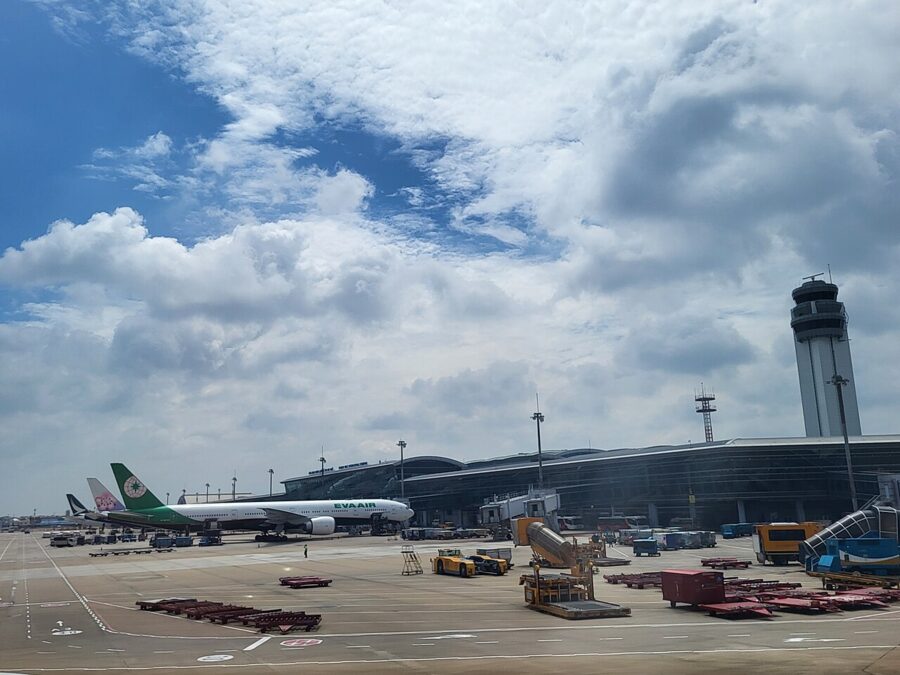
Planes bound for Tân Sơn Nhất International Airport (Sân bay quốc tế Tân Sơn Nhất) come in low over the rooftops of the old Tân Bình district and touch down about seven kilometers from Bến Thành Market. Few cities this size keep their main airport so close to the center. On a quiet night the drive from the terminal to a hotel in District 1 takes twenty minutes.
That closeness is about to change. Long Thành, a new airport forty kilometers east in Đồng Nai, is due to take its first commercial flights at the end of December 2026, and over the following years many international services will move there. For now, almost everyone who flies to Saigon still lands where the French built an airfield beside the village of Tân Sơn Nhứt; some accounts date it to the early 1920s, others to 1930.
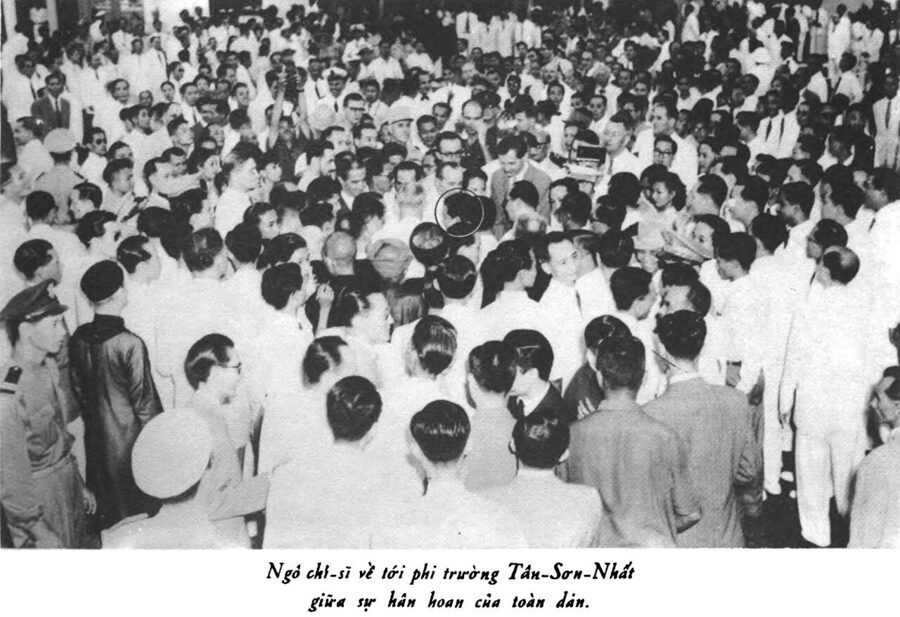
The airport has lived through a lot. In the 1930s Saigon was the eastern end of a week-long air service from Europe, a 2,190-meter runway was finished with American aid in 1956, and by the late 1960s Tân Sơn Nhứt, as the South spelled it, was among the busiest airfields on earth. The last Pan Am 747 left on 24 April 1975 with 463 people on a 375-seat plane. Today about 40 million passengers a year pass through, and the Hà Nội to Ho Chi Minh City route is one of the busiest air corridors in the world.

Most people arrive by air, but not all. The Reunification Express still runs the length of the country to Saigon station, sleeper buses come down from the highlands and the coast every night, and from Cambodia you can ride a bus through the Mộc Bài border or take a speedboat down the Mekong. Here is how each works now, what it costs, and how to get around once you are in.
On this page
Papers first: visas, e-visas and the arrival form
Sort the visa before you book anything, because an airline will not board you without the right paperwork and there is no walk-up visa at the airport. There are two routes in: a visa exemption, if your passport qualifies, or an e-visa.
Citizens of twelve countries get 45 days without a visa, for any purpose, under Government Resolution 44/NQ-CP: Germany, France, Italy, Spain, the United Kingdom, Russia, Japan, South Korea, Denmark, Sweden, Norway and Finland. The resolution runs from 15 March 2025 to 14 March 2028. Your passport needs six months’ validity.
A second list, Resolution 229/NQ-CP, added twelve more European countries from 15 August 2025 to 14 August 2028: Belgium, Bulgaria, Croatia, the Czech Republic, Hungary, Luxembourg, the Netherlands, Poland, Romania, Slovakia, Slovenia and Switzerland. It also gives 45 days, but it sits inside a tourism stimulus program and covers tourism only. If you are coming for work, get an e-visa. Most Southeast Asian passports have their own bilateral exemptions of between 14 and 30 days.
Everyone else, including Americans, Australians, Canadians and New Zealanders, needs the e-visa. Since August 2023 it has been open to every nationality and valid for up to 90 days. The official portal, evisa.gov.vn, charges US$25 for a single entry and US$50 for multiple entries, the fee is not refunded if you are turned down, and processing takes three working days. Lookalike sites that charge two or three times as much are everywhere in search results, so type the address yourself.
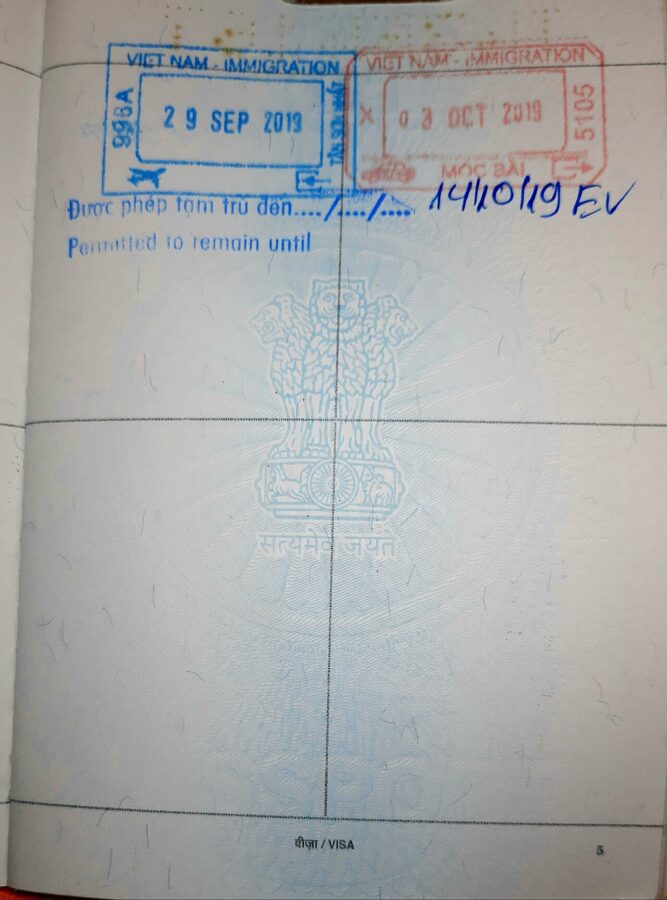

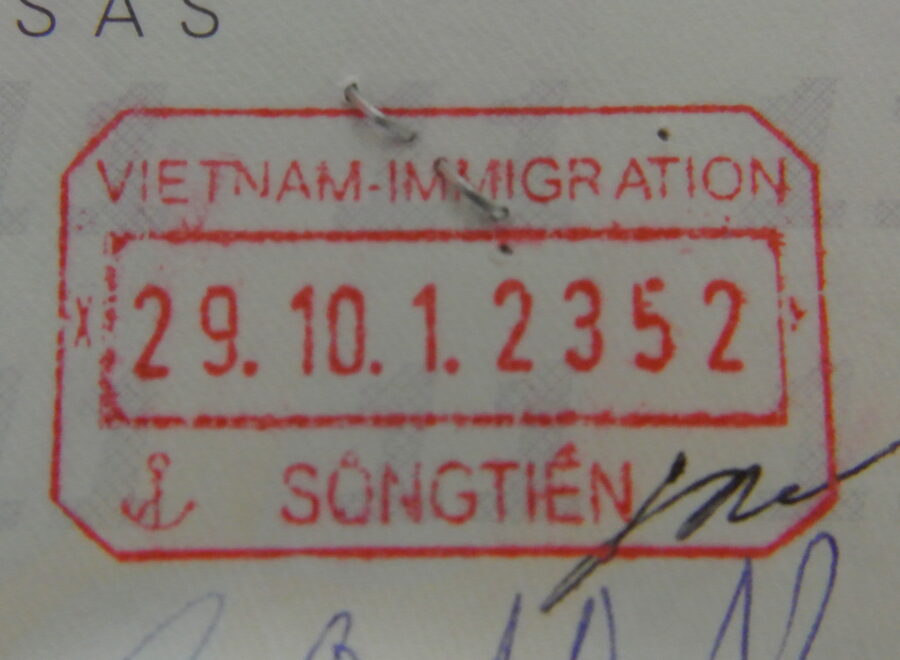
The e-visa names the border post you will use, and the list covers the land and river crossings as well as the airports: Mộc Bài and Xa Mát in Tây Ninh, Tịnh Biên and the Vĩnh Xương land and river gate in An Giang. Bus companies on the Cambodian side ask to see it on paper before you board, so print it.
One more step arrived in 2026. Since 15 April, foreign passengers landing at Tân Sơn Nhất have been asked to fill in a pre-arrival declaration on the immigration department’s portal, prearrival.immigration.gov.vn, and have it complete three days before landing. You get a confirmation code to show at the immigration desk.
Skip it and you can still get in, but expect a slower queue. Vietnamese passport holders and transit passengers are exempt.
Three terminals, and which one is yours
Tân Sơn Nhất now has three passenger terminals, and the one printed on your ticket matters more than it used to, because each has its own pickup area for taxis and app cars. Tell a driver “the airport” and you may wait at the wrong one.
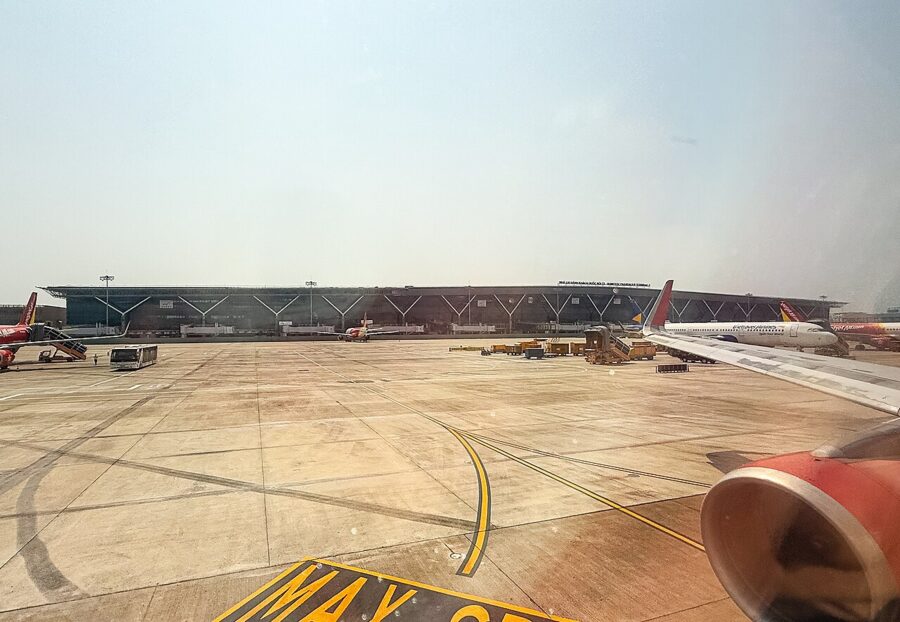
T2 (Ga quốc tế) handles all international flights in and out. T1, the old domestic terminal, is now used mainly by Vietjet. T3, which opened on 19 April 2025, took over the domestic flights of Vietnam Airlines and, from August 2025, Bamboo Airways, Pacific Airlines, VASCO and Vietravel Airlines; Sun PhuQuoc Airways also flies from it. T3 cost about 11 trillion dong (around US$430 million), has 90 check-in counters and 27 gates, and is built for more than 20 million passengers a year.
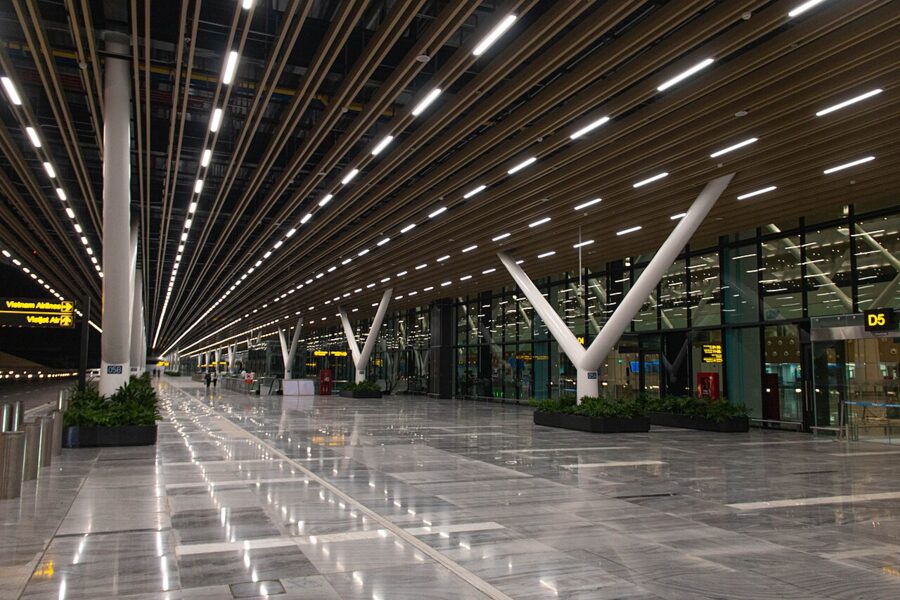

A free shuttle bus links the three terminals, and transit passengers with a boarding pass for an onward flight have their own airside bus between T3 and T1. Domestic connections from an international arrival mean collecting your bags, clearing immigration and customs in T2, and checking in again at T1 or T3, so leave at least three hours. In July 2026 the airport operator ACV proposed rebuilding T1 entirely and tunneling it through to the car park and T3; nothing has been scheduled.
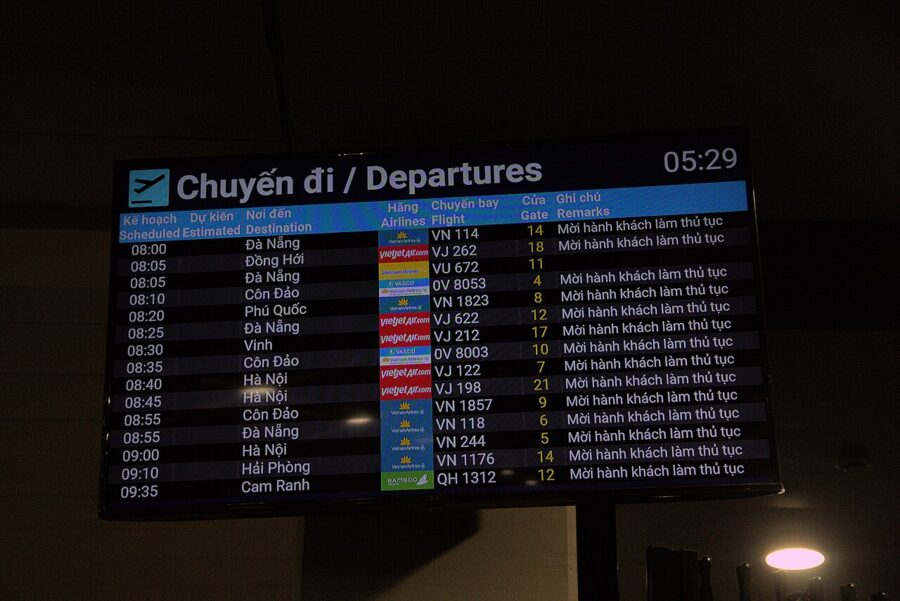
Immigration, SIM cards and money
Immigration in T2 can take ten minutes or an hour, depending on how many long-haul flights land together. Have the e-visa printout or the PDF on your phone, your pre-arrival code, your onward ticket and the address of your first night ready before you reach the desk.
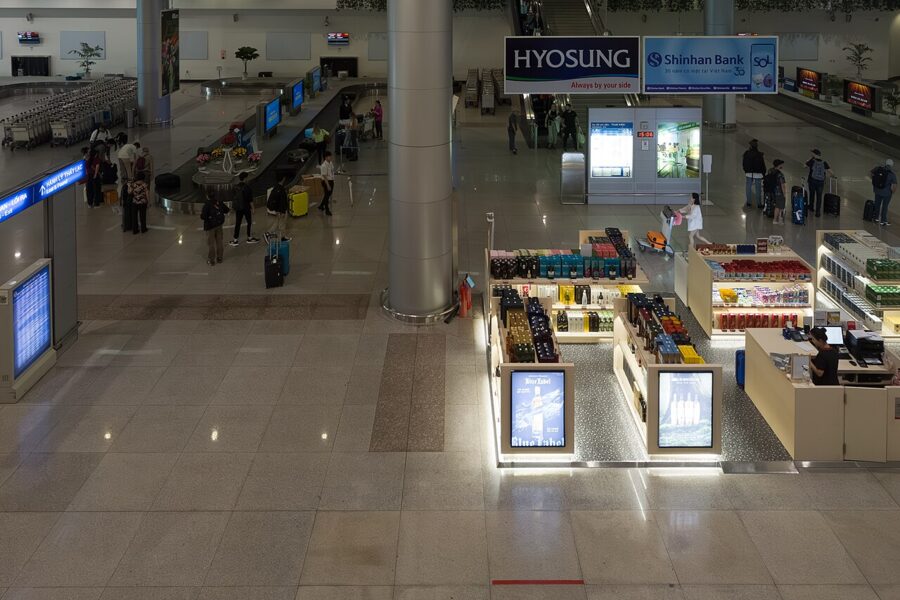

Once through, the arrivals hall has counters for the three big mobile networks, Viettel, Vinaphone and MobiFone, plus ATMs and exchange desks. Bring your passport to the SIM counter: every SIM in Vietnam is registered to an identity document, and the seller does it while you wait. An eSIM bought before you fly saves the queue. Dong is the only currency you will need from here on; the banking and currency guide covers ATM fees, cards and where to change cash.
From the airport into town
The road from the airport runs south along Trường Sơn, then down Nam Kỳ Khởi Nghĩa or Nguyễn Văn Trỗi into District 1. Early in the morning or in the early afternoon the drive takes twenty to twenty-five minutes. In the evening rush, or in a wet-season downpour, allow an hour; the weather guide explains when the afternoon storms hit.
Grab, Be and Xanh SM
Most people take an app car, and it is the easiest option for a first arrival. Grab, the Vietnamese app Be and Xanh SM, whose fleet is all VinFast electric cars, work at the airport and show the fare before you book. Follow the signs to the pickup area for app cars rather than waiting at the kerb outside arrivals, and send the driver your terminal and pillar number.
In 2026 a car to Bến Thành, Bùi Viện or Nguyễn Huệ has typically cost 150,000₫ to 250,000₫ (about US$6 to US$10). Prices climb in heavy rain and after 11pm. A GrabBike motorbike is cheaper and faster through traffic, and the driver carries a spare helmet, but it is only sensible with a small bag.
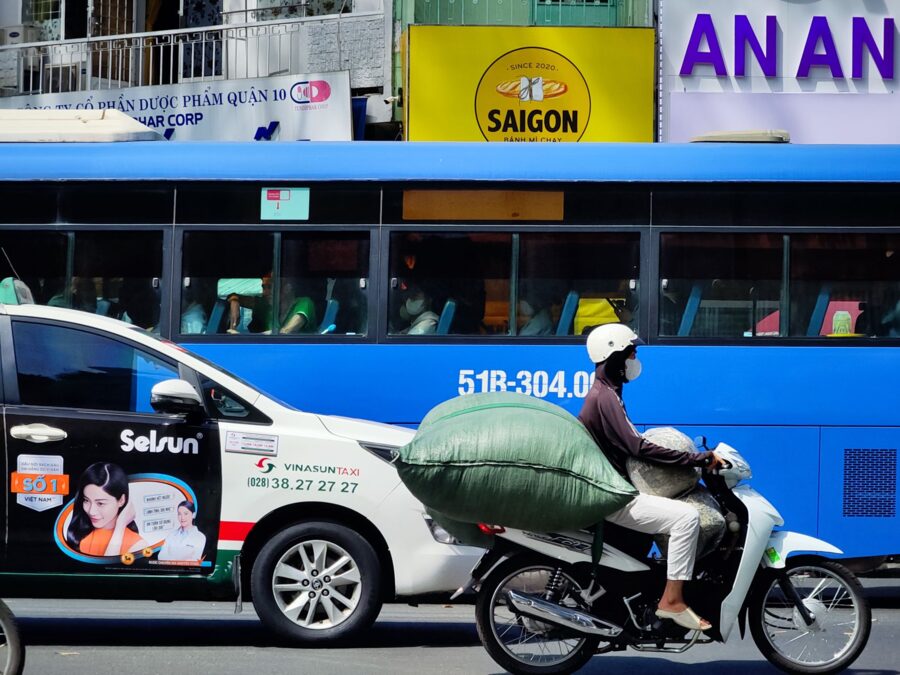
Metered taxis
The taxi rank outside arrivals is run by dispatchers who load passengers into the next car. Stick to Vinasun (white), Mai Linh (green) or Xanh SM (pale blue-green electric cars), check the meter is running, and pay what it shows plus any toll or airport entry fee. The ride to District 1 usually ends up a little dearer than the same trip by app. Ignore anyone in the hall who offers a ride and walks you to an unmarked car.
The airport buses
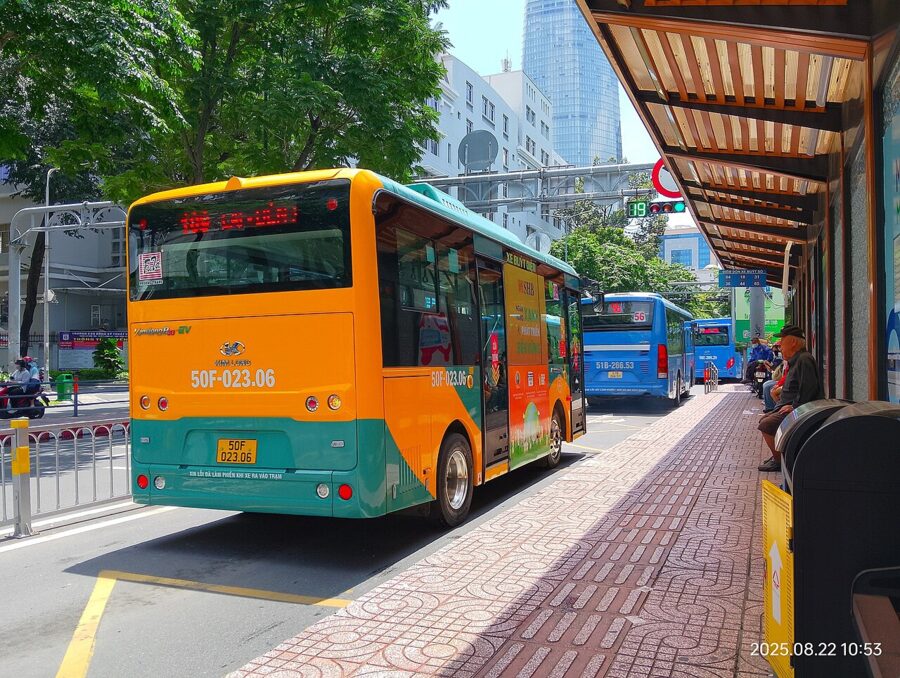
Route 109 is the bus most travelers use. It runs between the airport and Saigon Bus Station (Bến xe buýt Sài Gòn), on the edge of 23/9 Park a short walk from Bến Thành Market and Phạm Ngũ Lão, a route of about 9 km that takes around 45 minutes. Since April 2025 its airport stop has been at T3; from T2, take the free terminal shuttle. The buses are orange and green and run by FUTA (Phương Trang), and a suitcase is fine outside the rush hours.

The fare is well under a dollar; recent quotes put the full run at 15,000₫ to 20,000₫. Keep small notes ready, because the free city-bus scheme that runs to the end of 2026 does not cover airport routes. Route 152 is the cheaper city bus, picking up in lane B outside the domestic terminal T1 and crawling through the center via Bến Thành; it is slow, gets crowded and is no fun with luggage. Route 72-1 runs from the airport down the expressway to Vũng Tàu, if the beach is your first stop.
| Airport to District 1 | Cost | Time | Good for |
|---|---|---|---|
| Grab, Be or Xanh SM car | About 150,000₫ to 250,000₫ (US$6 to US$10) | 25 to 60 minutes | Most arrivals, luggage, night flights |
| GrabBike or Xanh SM bike | Cheaper than a car | 20 to 40 minutes | One person, one small bag |
| Metered taxi (Vinasun, Mai Linh, Xanh SM) | A little more than an app car | 25 to 60 minutes | No phone data, cash only |
| Bus 109 from T3 | Under 20,000₫ (under US$1) | About 45 minutes | Light luggage, daytime, Phạm Ngũ Lão |
Long Thành: the airport that is about to open
Long Thành International Airport (Cảng hàng không quốc tế Long Thành) lies about 40 km east of the center in Đồng Nai, beyond Thủ Đức and the Đồng Nai river. Its terminal, a vast white roof shaped like a lotus, has been rising out of red earth since 2021. Its first phase is designed for 25 million passengers a year.


The opening date has slipped several times, from mid-2026 to December. In late October 2026 the operator ACV notified Đồng Nai that commercial operations should begin at midnight on 24 December 2026. In mid-November four construction packages, the passenger terminal among them, were still unfinished, and the Ministry of Construction asked for the date to be weighed against real progress. Treat Christmas 2026 as the target, not a certainty.
The first phase is small: up to 366 flights a week, most of them domestic. Vietjet plans domestic routes to Hà Nội, Hải Phòng, Thanh Hóa and Vinh, and Vietnam Airlines has planned international flights to Beijing, Hong Kong, Guangzhou and Manila. Thirty-four foreign airlines have said they would rather wait until the winter 2027 schedule or later. If you book a flight to “Ho Chi Minh City” for 2027, look at which airport it names.
Getting there is the weak point. In May 2026 the deputy construction minister said the 40 km trip took two to three hours in heavy traffic; the target is about thirty minutes once the HCMC to Long Thành to Dầu Giây expressway has been widened to eight or ten lanes, most of it by the end of 2026 and the Long Thành bridge section in 2027. The city has approved express buses from Saigon Bus Station and from Tân Sơn Nhất to Long Thành, with about 70 to 80 minutes quoted for the airport to airport run. A rail link is a project for the 2030s.
By train: the Reunification Express
The railway from Hà Nội reached Saigon as one line on 1 October 1936, after nearly forty years of building, and the French called the through service the Transindochinois. The first trains took about sixty hours. War cut the line for most of the next four decades, and when it was repaired after 1975 the first through train left on 31 December 1976 under the name it still carries in Vietnamese, the Thống Nhất, the Reunification. No single train is officially called the Reunification Express; it is the name for all of them.
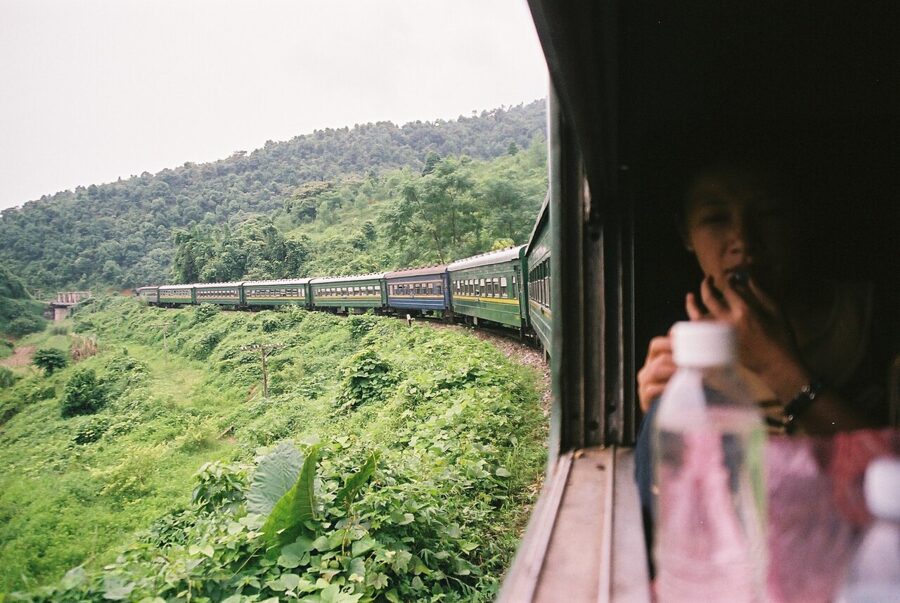

The North–South line is 1,726 km of meter-gauge track, and the fastest trains cover it in about thirty hours. That is a day and a half against a two-hour flight. People take it for the ride: the Hải Vân Pass above Đà Nẵng, the bays around Nha Trang, rice fields and graveyards, and the vendors who come aboard at every long stop. From Đà Nẵng, about 935 km up the line, it is most of a day and a night.

Classes and tickets
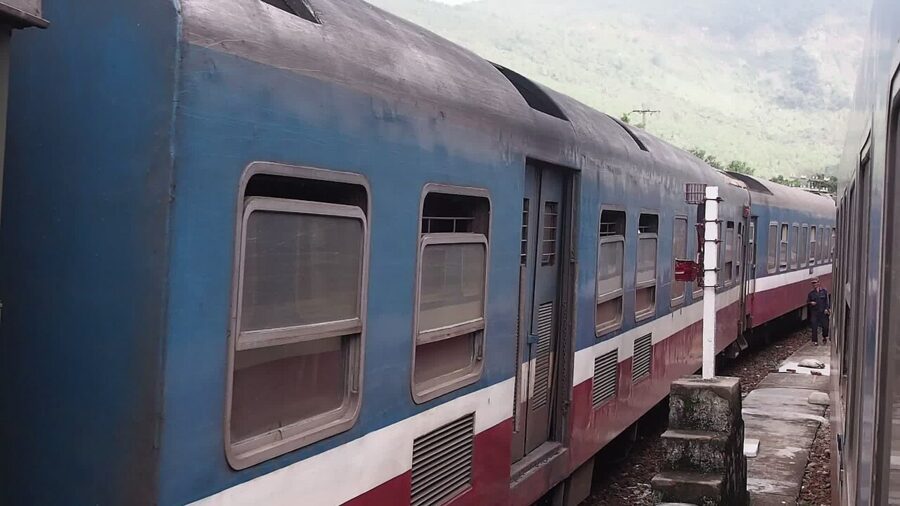
The long-distance SE trains carry three classes worth knowing. Ngồi mềm điều hòa is an air-conditioned soft seat, fine for a few hours and hard going overnight. Nằm khoang 6 is a compartment of six berths in three tiers, the cheapest way to sleep; the top berth is cheapest and has the least headroom. Nằm khoang 4 is the four-berth compartment most foreigners book, two lower and two upper berths with a door to the corridor.
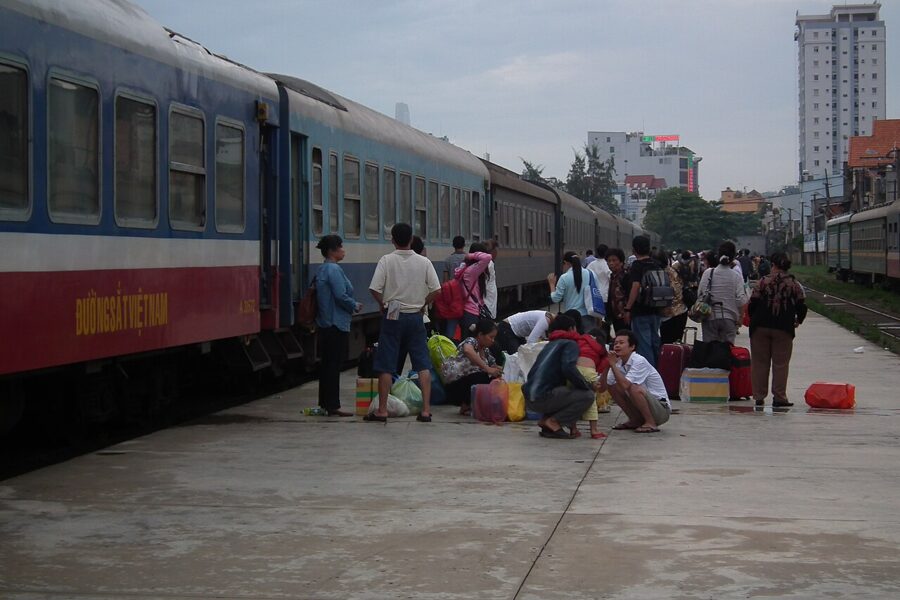

Buy tickets from Vietnam Railways’ own booking site, dsvn.vn, its app, or at a station counter, with your passport details. Many sites with “ga” and a city name in the address are agencies that add a fee. Fares depend on the train, the class and how full it is, and they rise steeply around Tết, when berths sell out weeks ahead. Outside the holidays, a few days’ notice is usually enough.
Saigon station
Trains from the north end at Saigon station (Ga Sài Gòn) on Nguyễn Thông street, in Nhiêu Lộc ward, the old District 3, about 3 km from Bến Thành. The city’s name changed in 1976; the station’s did not. If you are curious why the old name survives, the story of the name Saigon goes back to the seventeenth century.
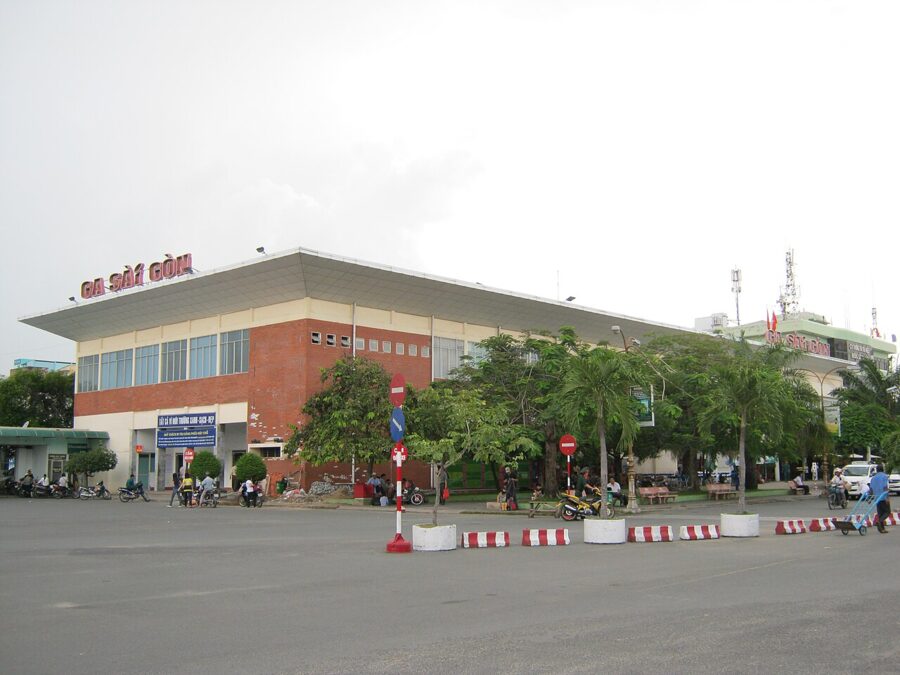
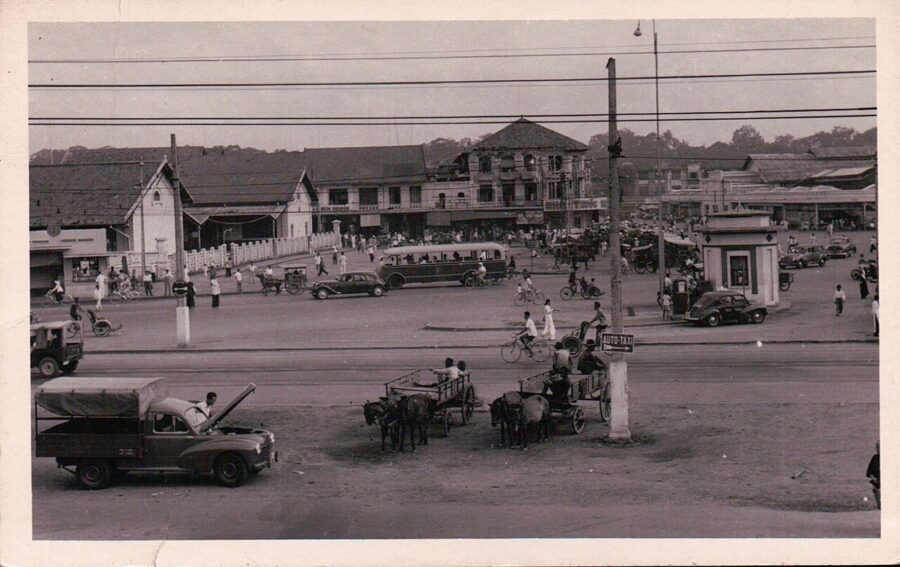
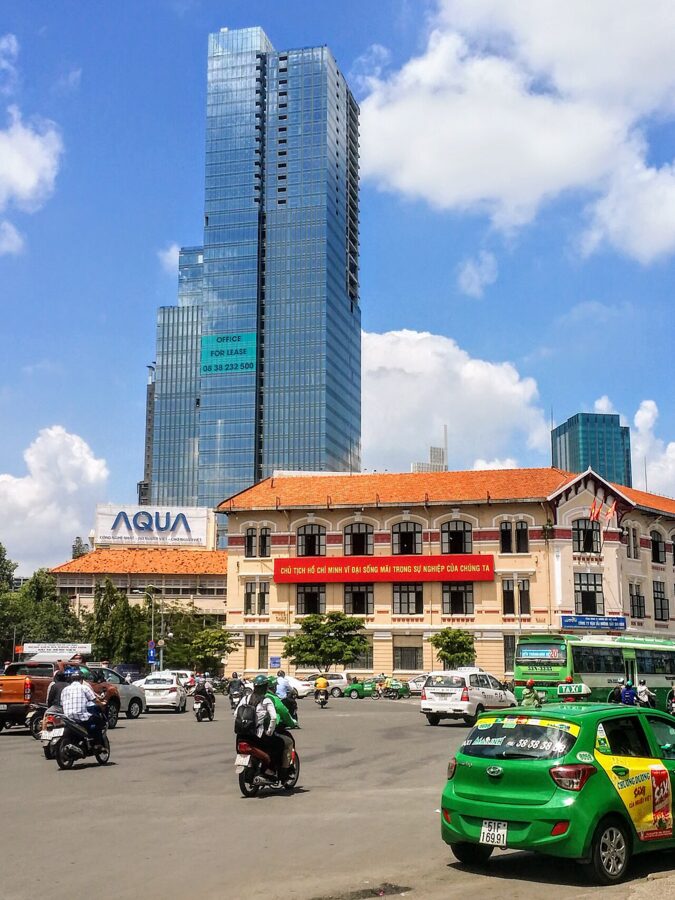
This is the third Saigon station. The first, built for the Saigon to Mỹ Tho line in 1885, stood on Hàm Nghi near Bến Thành. The second opened in 1915 opposite Bến Thành Market, and trains ran into it until 1978, when the line was cut back to Hòa Hưng and the old track bed became Nguyễn Thượng Hiền street. Its site is now 23/9 Park, and part of it is the bus station where the airport bus stops.

By road: sleeper buses and the bus stations
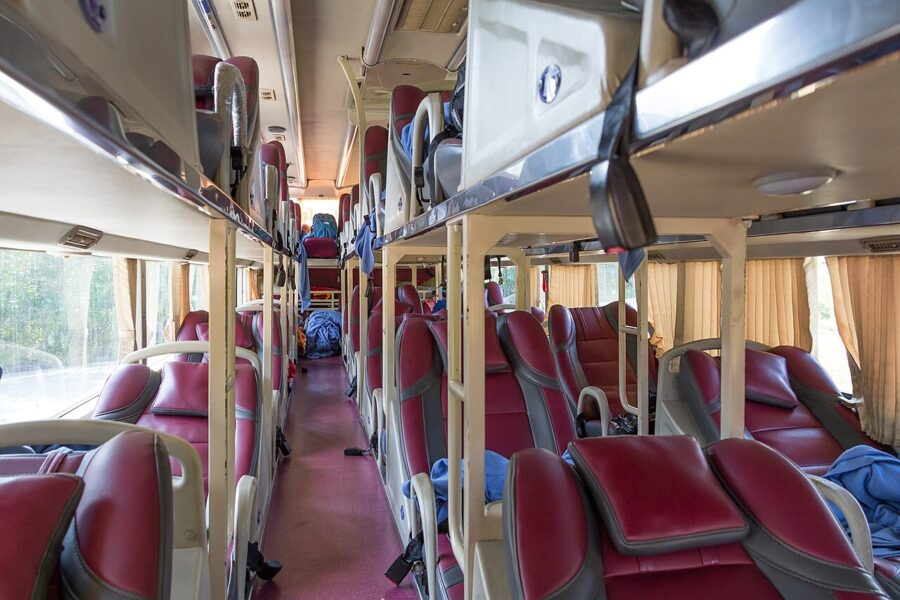
Buses are how most Vietnamese travel between cities, and the overnight sleeper is a fixture of routes to Đà Lạt, Nha Trang, Mũi Né and the Mekong Delta. Seats are replaced by three rows of reclining berths in two tiers, with an aisle between each row. You take your shoes off at the door and carry them in a plastic bag, and the driver’s assistant stows your bag underneath. The berths are short, and tall travelers sleep with their knees bent.

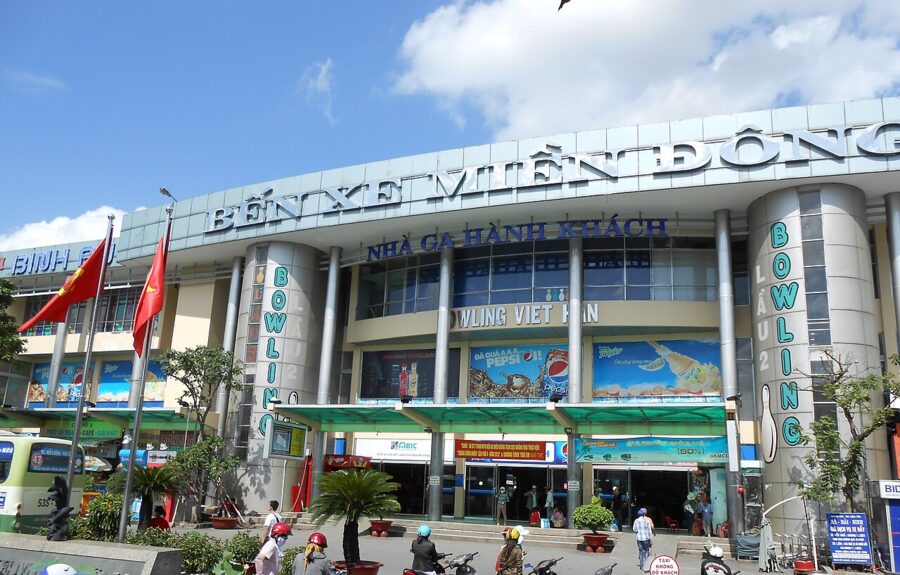
Where you arrive depends on where you come from. Buses from the north and the central highlands use the new Miền Đông bus station (Bến xe Miền Đông mới), far out in Thủ Đức, which has one great advantage: it sits opposite the Suối Tiên terminus of Metro Line 1, so you can ride the train into the center. Check whether your ticket says the new terminal or the old Miền Đông in Bình Thạnh, which is much closer to the center. Buses from the Delta come into Miền Tây bus station on Kinh Dương Vương street, in the former Bình Tân district, from where an app car into District 1 takes half an hour or more.

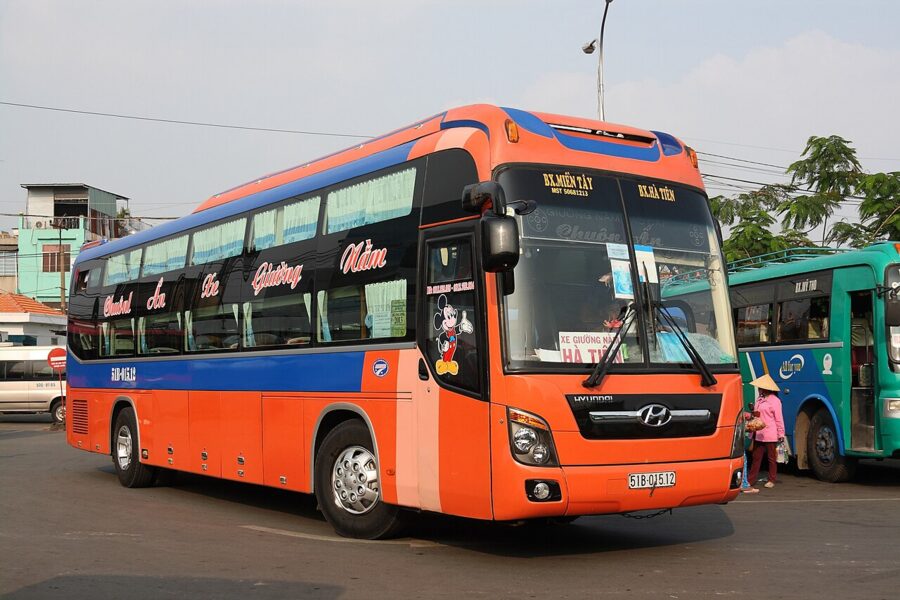
FUTA (Phương Trang), with its orange coaches, is the biggest operator and runs a free shuttle minibus from its stations to many parts of the city. Smaller companies sell “limousine” vans with nine or so wide seats on shorter routes such as Vũng Tàu and Mũi Né, and many will pick you up and drop you at your hotel. On any route, book through the company’s own app or counter, and avoid the eve of a holiday, when fares rise and seats vanish.

Overland from Cambodia
By bus from Phnom Penh and Siem Reap
Phnom Penh is about 240 km from Saigon by road, and the daytime buses take around six hours including the border. The crossing is Bavet on the Cambodian side and Mộc Bài on the Vietnamese, in Tây Ninh province. Several companies run the route; Giant Ibis, one of the better known, leaves from its terminal near the night market in Phnom Penh and also runs an overnight sleeper from Siem Reap, about 550 km and twelve hours.
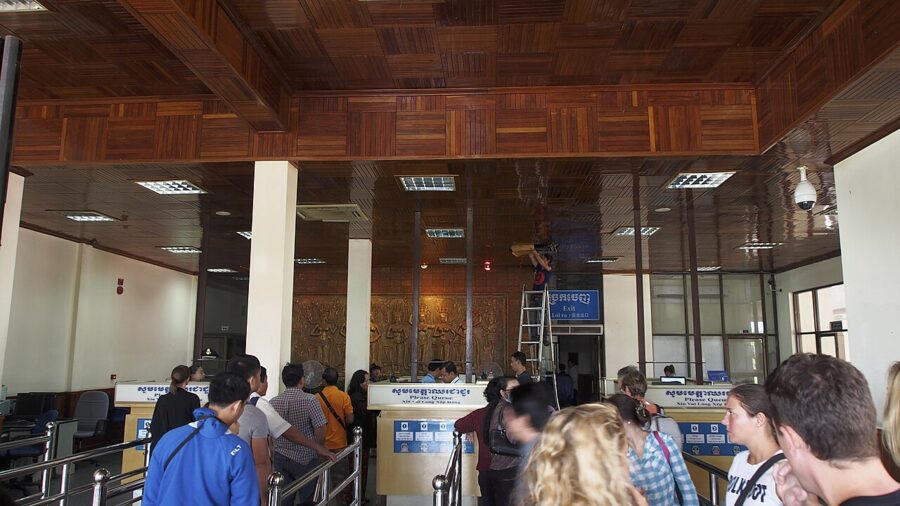

The routine is the same on every bus, and a steward usually holds the passports. At Bavet you get off for the Cambodian exit stamp, ride a few hundred meters to Mộc Bài, carry your bags through Vietnamese immigration and customs, and get back on. The e-visa must name Mộc Bài as your entry point, and the bus company will want to see it on paper before you board in Cambodia. Allow an hour at the border, more on a public holiday.
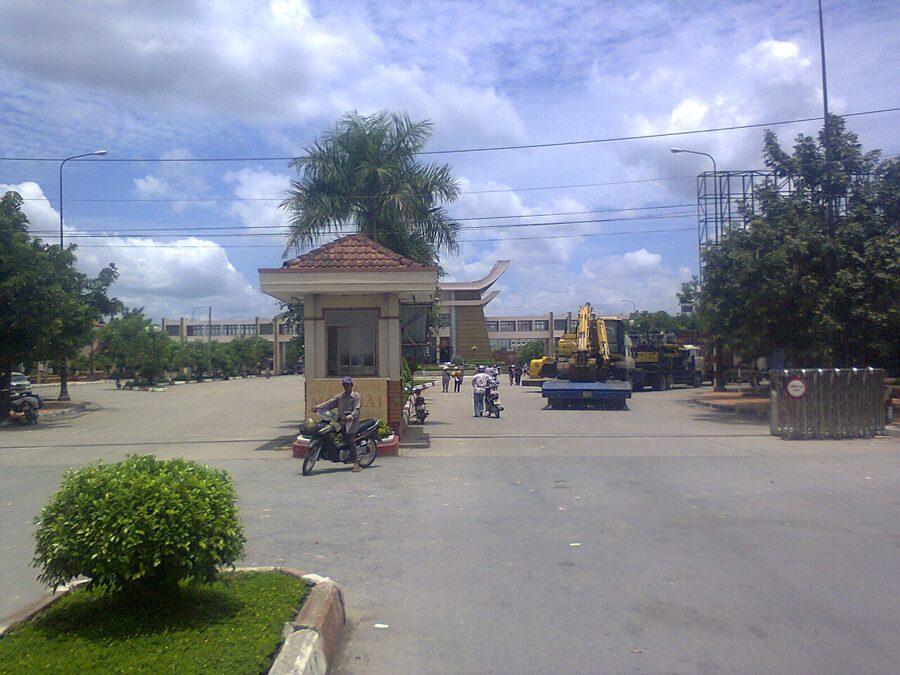

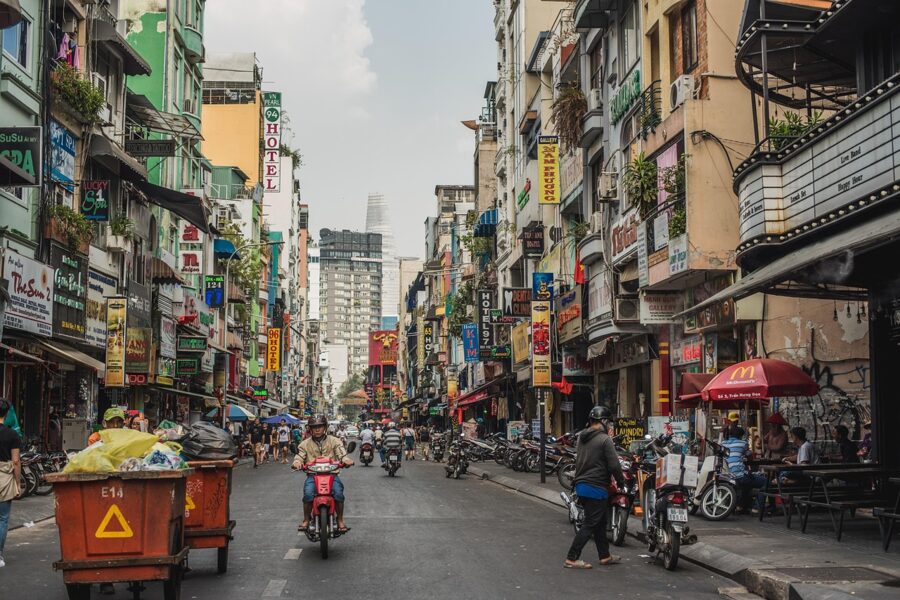
From the border the road runs southeast along Highway 22, past Củ Chi, the district whose wartime tunnels are the most common first day trip from the city; the Củ Chi tunnels are a short detour off the same highway if you come back that way. The Phnom Penh buses end on Phạm Ngũ Lão street in the old backpacker quarter of District 1, so you arrive in walking distance of hundreds of guesthouses.
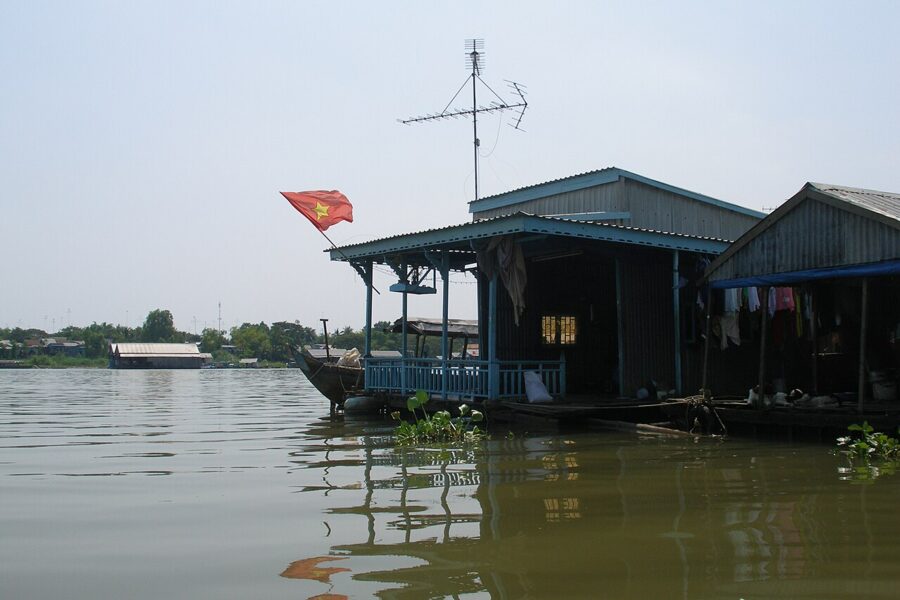
Down the Mekong by boat
The slower, prettier way in from Cambodia is by river. Speedboats run down the Mekong from Phnom Penh to Châu Đốc, crossing at Kaam Samnor and the Vĩnh Xương river border in An Giang province. Hang Chau’s boat leaves Phnom Penh at 12:30pm daily and takes about six and a half hours, and its fare for June 2026 to June 2027 is 1,580,000₫ (about US$61), raised in May 2026 because of fuel costs.
The boat reaches Châu Đốc in the evening, so plan a night there, and perhaps a morning on Sam Mountain, before the 250 km run to Saigon by bus. Coaches leave through the day and arrive at Miền Tây. The e-visa must name Vĩnh Xương, not Mộc Bài; it is easy to tick the wrong box.


Getting around once you are here
Metro Line 1
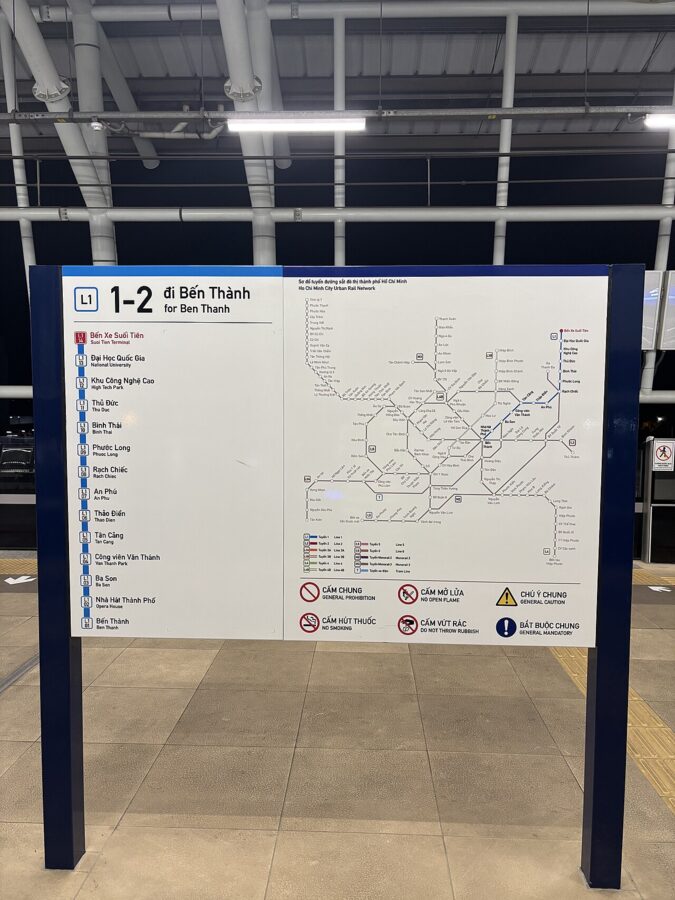
Saigon waited a long time for its first metro. Construction began in 2012 with a target of 2018; Metro Line 1 finally opened on 22 December 2024. It runs about 20 km from Bến Thành northeast to Suối Tiên, with 14 stations: three underground, Bến Thành, Opera House (Nhà hát Thành phố) and Ba Son, then eleven on a viaduct over the Văn Thánh canal, across the Saigon River and along the Hà Nội highway through Thảo Điền, An Phú and Thủ Đức.
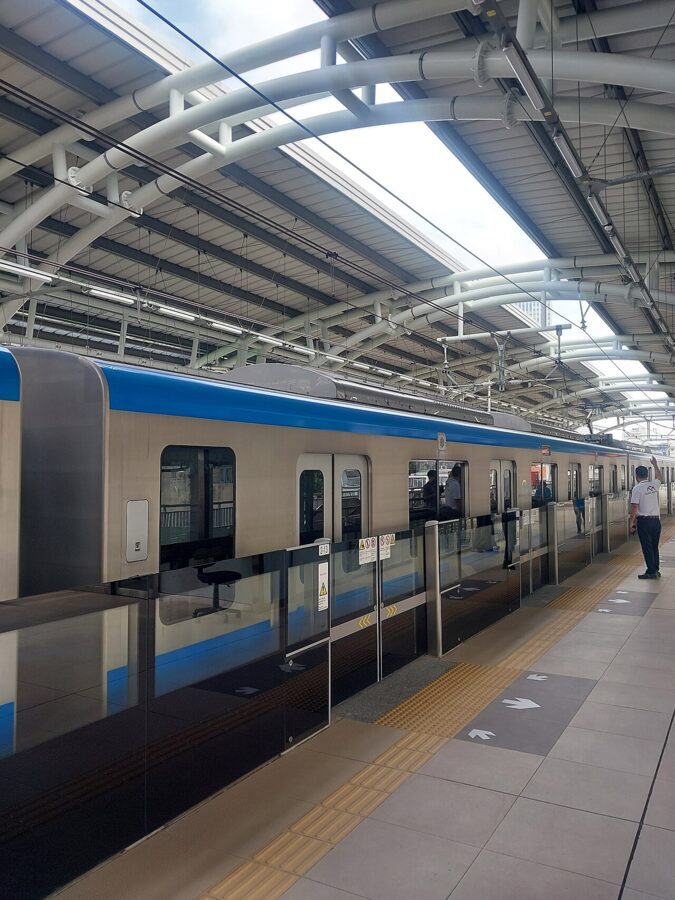

Single fares run from 7,000₫ to 20,000₫ in cash, depending on distance, or 6,000₫ to 19,000₫ paid by bank card or e-wallet (about US$0.25 to US$0.80). A day pass costs 40,000₫ (about US$1.55) and a three-day pass 90,000₫ (about US$3.50). You can tap a contactless card at the gates, buy a paper QR ticket from the machines, or use the HCMC Metro HURC app. Children under six and older people ride free.
Trains start at about 5am and run into the late evening, more often in the rush hours. Hold on to a paper ticket until you exit; you need it at the gate.
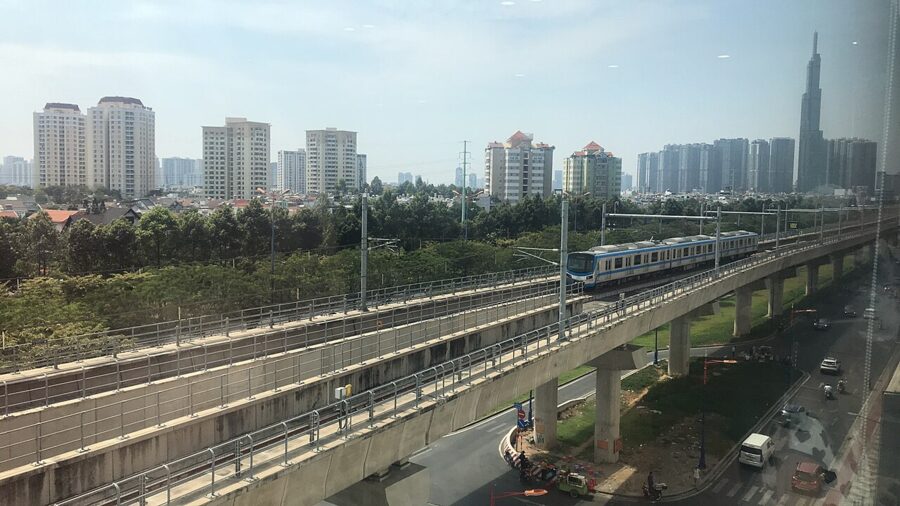

For a visitor the line is most useful at its ends. Bến Thành Market sits on top of the central station, which is also the main interchange for city buses. At the other end, Suối Tiên station faces the new Miền Đông bus station, so if your coach from the north arrives there, ride the metro in rather than sitting in traffic. In between, Thảo Điền, with its cafés and restaurants, is a short ride from the center.
City buses, free until the end of 2026
From 1 July to 31 December 2026, the city is paying the full fare on 134 bus routes inside Ho Chi Minh City, so rides are free. Since 1 October passengers have had to tap something when boarding to record the trip: a Visa, Mastercard or NAPAS bank card, Apple Pay or Google Pay, an e-wallet, or a Vietnamese ID. Tapping a card does not charge it. Airport routes, interprovincial buses and the open-top sightseeing buses are not included.
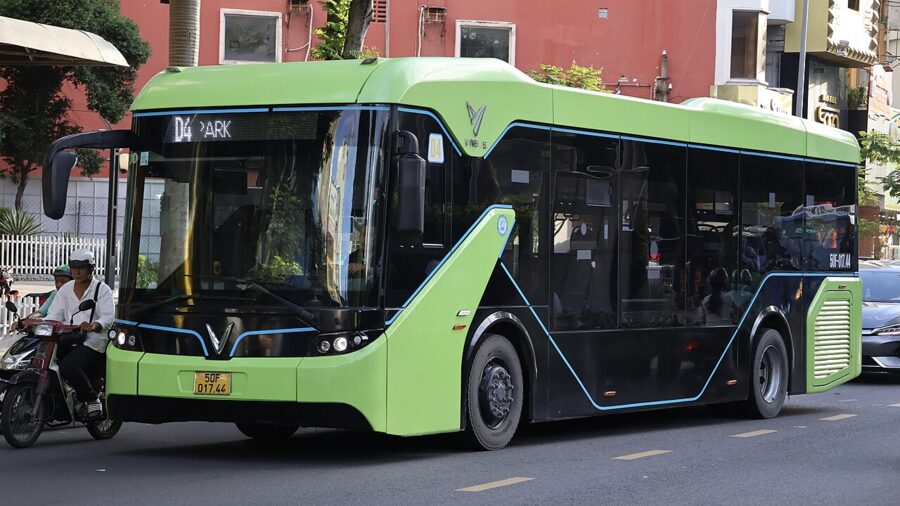

From January 2027 fares return. The city’s draft puts a single trip at 7,000₫ to 9,000₫ in cash, a little less by card, and adds day and three-day passes valid on both buses and the metro, at 47,000₫ and 104,000₫; the figures are still proposals. The buses are cheap and cool, but routes are hard to read without Vietnamese. A route-planning app, or Google Maps with transit directions, will tell you which number to wait for.
Grab bikes, taxis and the river
For most trips around the center, a motorbike taxi booked on Grab, Be or Xanh SM is the quickest way to move. The driver hands you a helmet; keep your knees in, hold the rack behind you, and lean with the bike. A car is better in the rain, at night with bags, or for anything over half an hour. The old street-corner xe ôm drivers still wait at intersections, but agree a price before you sit down.
The Saigon River waterbus is the scenic option. Its line runs from Bạch Đằng pier at the foot of Hàm Nghi up the river past Thủ Thiêm and Thảo Điền toward Linh Đông in Thủ Đức. Service has stopped and restarted more than once since it opened in 2017, so ask at the pier before planning around it. It is slow and will not save you time, but on a hot afternoon a boat beats a bus.
Walking, and crossing the street
District 1 is walkable in the early morning and after dark. In the middle of the day the heat and the pavements, given over to parked motorbikes, food stalls and shop displays, push you into the road. Walk on the shady side, carry water, and take a Grab bike for anything over a kilometer between 11am and 3pm.
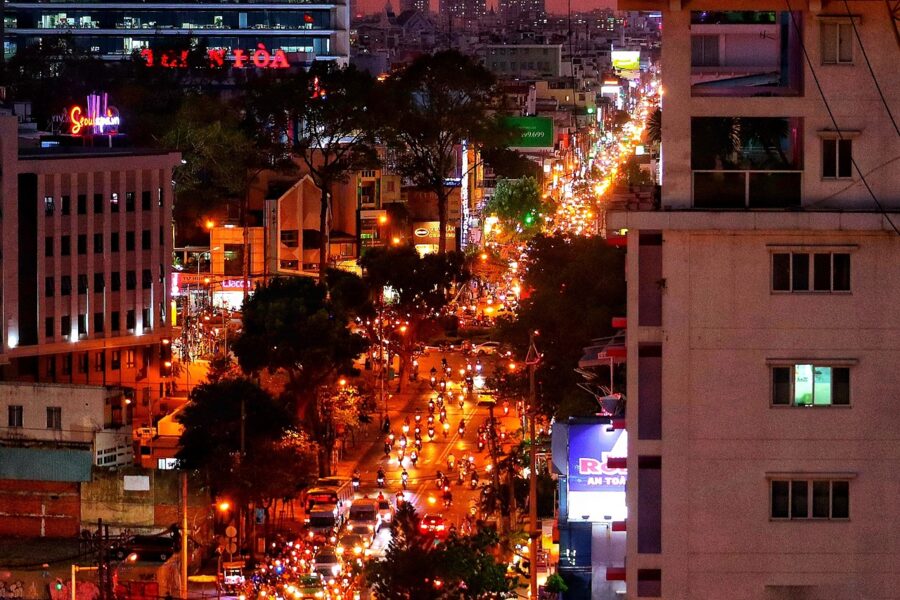
Crossing the street is the first skill the city teaches. Use the pedestrian lights where there are any, but do not trust a green man completely: motorbikes turning right will still come through. Where there is no light, wait for a thinner stretch of traffic rather than an empty road, step off at an even pace, and keep walking. Riders judge where you will be a second from now, so the worst thing you can do is stop, run or step back.
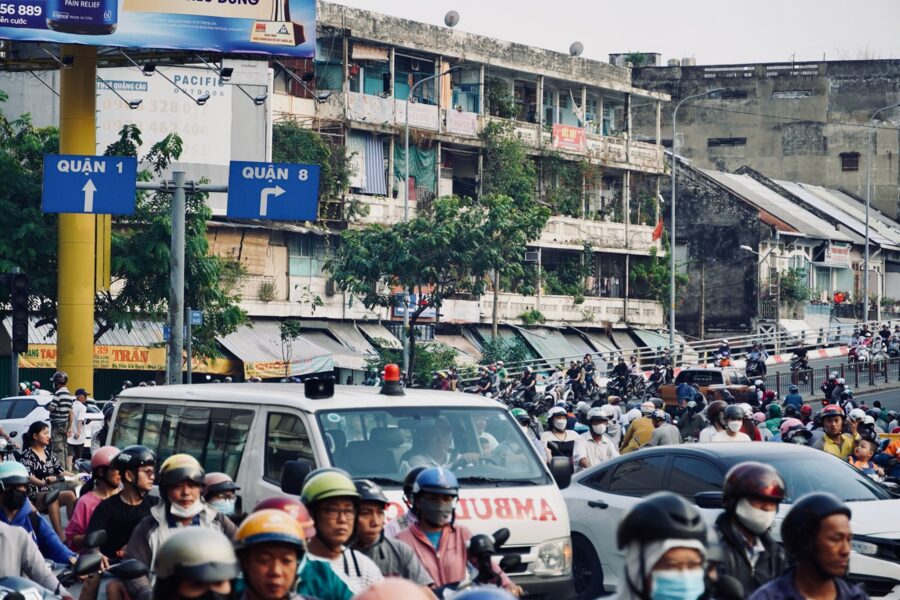
Raise a hand, palm out, if it helps you feel seen, and cross beside a local if one is going your way. By the second day you will be doing it without thinking, and by the third you will be standing at the kerb in T3 telling a newly landed friend to just keep walking.