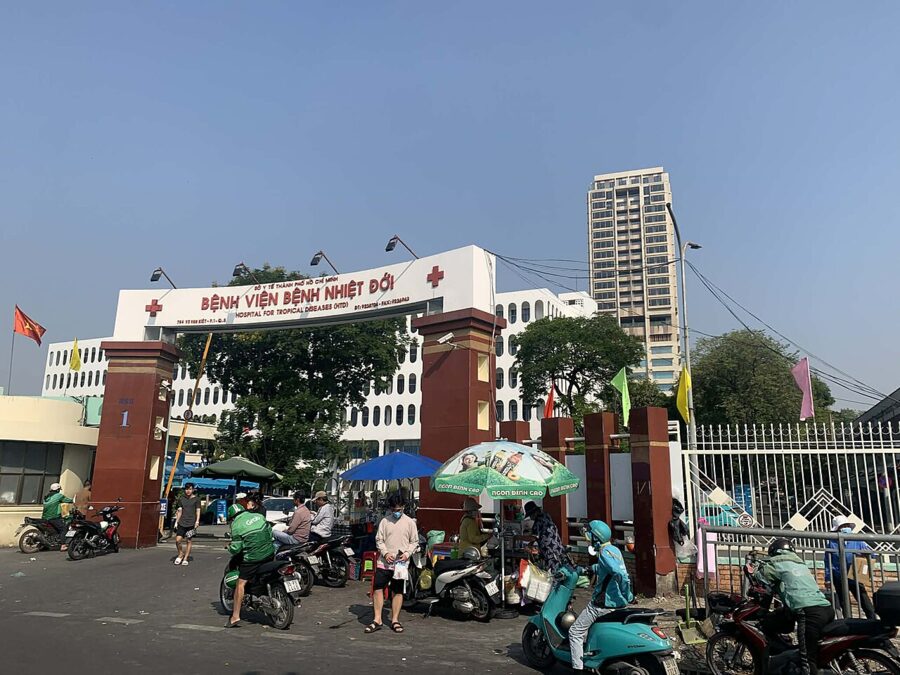
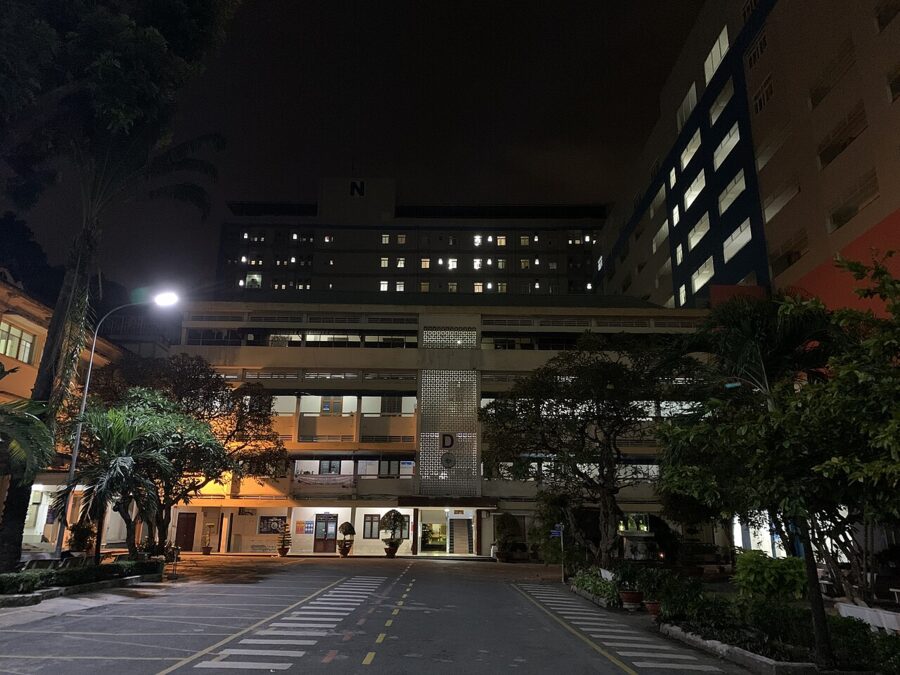
The red letters across the white block above the gate on Võ Văn Kiệt read Bệnh viện Bệnh Nhiệt đới, the Hospital for Tropical Diseases. Below them, motorbike taxi riders in green jackets wait for patients coming out. The hospital behind them claims the title of Vietnam’s oldest. It opened as the Chợ Quán hospital on 13 February 1861, took in French and Spanish soldiers wounded at the battle of Kỳ Hòa less than two weeks later, and more than 160 years on it is where Saigon sends its most serious infections, dengue among them.
Most visitors never see the inside of a Saigon hospital, and the ones who do usually arrive with something ordinary: a cut from a fall off a motorbike, a stomach that has turned on them, a fever that will not drop. The city handles all of that well, with private hospitals that work in English and French, a pharmacy on nearly every block, and public hospitals that treat the whole of southern Vietnam.
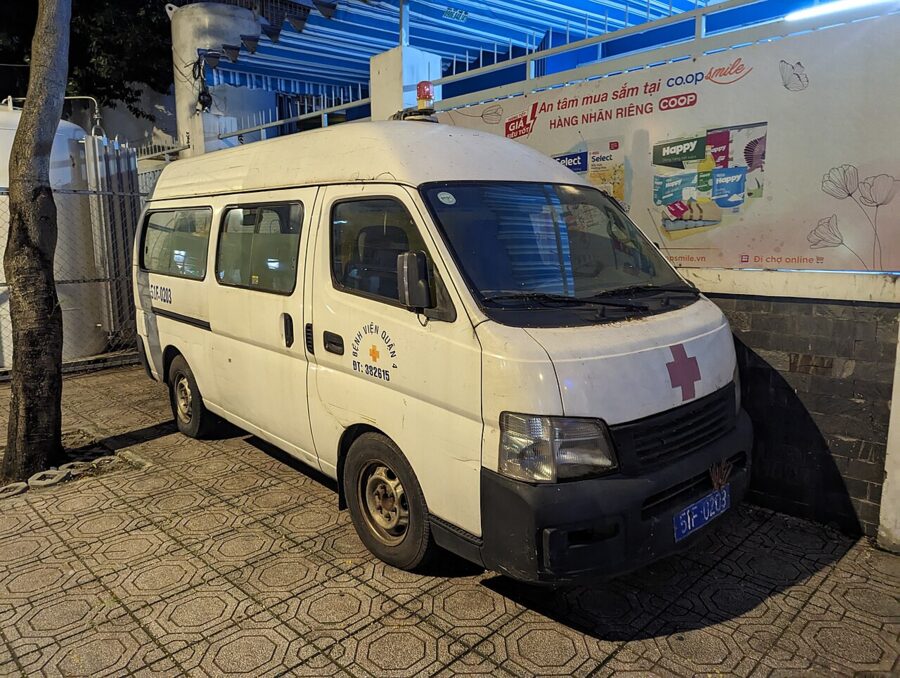
The hard part is knowing which door to walk through. A private emergency department and a public one can sit a few kilometers apart and work in completely different ways, with different languages, payment rules and waiting rooms. Since the July 2025 reorganisation the city no longer has districts, so each address below gives the new ward first and the old district in brackets, which is what most signs and drivers still use.

On this page
When it is an emergency
The number for an ambulance anywhere in Vietnam is 115. Police are 113 and fire is 114. Since 1 July 2025 every 115 call in Hồ Chí Minh City has gone to the city’s Emergency Center 115 (Trung tâm Cấp cứu 115), which now also covers the old provinces of Bình Dương and Bà Rịa-Vũng Tàu. After that merger the city counted 49 satellite ambulance stations, and it has started adding two-wheeled ambulances in neighborhoods too dense for a van.
The problem is language. The operators speak Vietnamese, and their questions (where, what happened, how old, is the person breathing) need clear answers fast. If you can, ask your hotel’s front desk or any Vietnamese speaker nearby to make the call, and keep your hotel’s address written in Vietnamese on your phone.
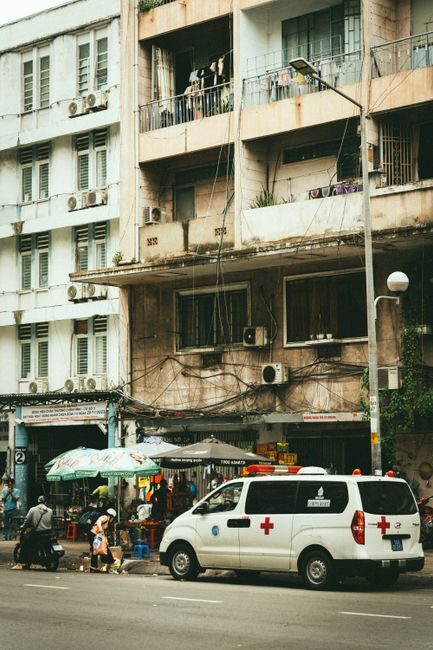
For anything serious but not life-threatening, a car is usually quicker than waiting for an ambulance in traffic. Order a Grab or Be car (not a motorbike) to the emergency department you have chosen, and take someone with you if you can. For a collapse, heavy bleeding or a head injury, call 115 anyway and let the dispatcher decide.
Emergency departments that work in English
Not every 24-hour emergency department can deal with you in English. These can, plus the one public option in the center. Check the address against where you are staying: the drive from FV in the south to City International in the west can take an hour.
| Hospital | Address (old district) | Notes |
|---|---|---|
| FV Hospital (Bệnh viện FV) | 6 Nguyễn Lương Bằng, Tân Mỹ ward (District 7) | 24-hour emergency; English and French; direct billing |
| Vinmec Central Park International Hospital | 208 Nguyễn Hữu Cảnh, Thạnh Mỹ Tây ward (Bình Thạnh) | 24-hour emergency; by phone, press 2 for English, then 1 for emergencies |
| American International Hospital (AIH) | 199 Nguyễn Hoàng, Bình Trưng ward (District 2) | 24-hour emergency; English spoken |
| City International Hospital (Bệnh viện Quốc tế City) | 3 Street 17A, An Lạc ward (Bình Tân) | 24-hour emergency; direct billing; far west of the city |
| Family Medical Practice, Thảo Điền center | 95 Thảo Điền, An Khánh ward (District 2) | Clinic open 24/7; emergency line *9999 |
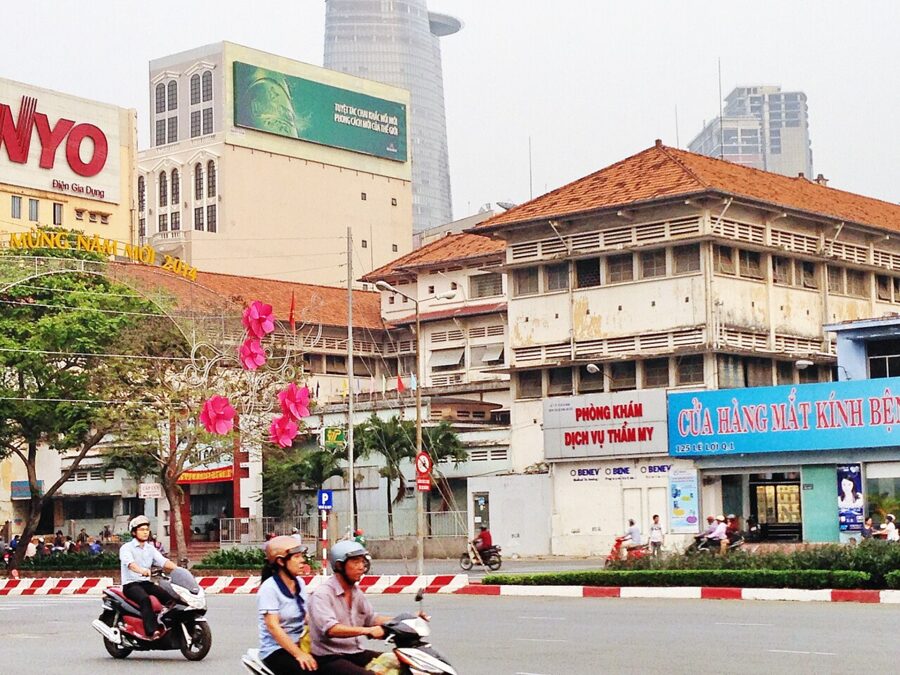
| Gia Định People’s Hospital, facility 2 | 125 Lê Lợi, Bến Thành ward (District 1) | Public; built around emergency care; closest to the backpacker streets |
That last entry is new. The building at 125 Lê Lợi was the Saigon General Hospital (Bệnh viện Đa khoa Sài Gòn) for decades, until it reopened on 31 December 2025 as the second site of Gia Định People’s Hospital (Bệnh viện Nhân dân Gia Định). Its five departments are led by intensive care and emergency, and the director has said it will run services for tourists and foreign residents. It stands a short walk from Bến Thành Market, the obvious first stop if something happens in the old District 1.

Bring your passport, or a photo of it, and a card that works abroad. Private hospitals treat an emergency first, but they will soon ask how you plan to pay.
The international hospitals and clinics
“International” in a Saigon hospital’s name is partly branding. In practice it means English at the front desk, doctors who trained or worked abroad, itemized bills in English and a billing office used to foreign insurers. The medicine is no different in kind from the best public hospitals. The difference is that you can understand what is happening to you.
FV Hospital
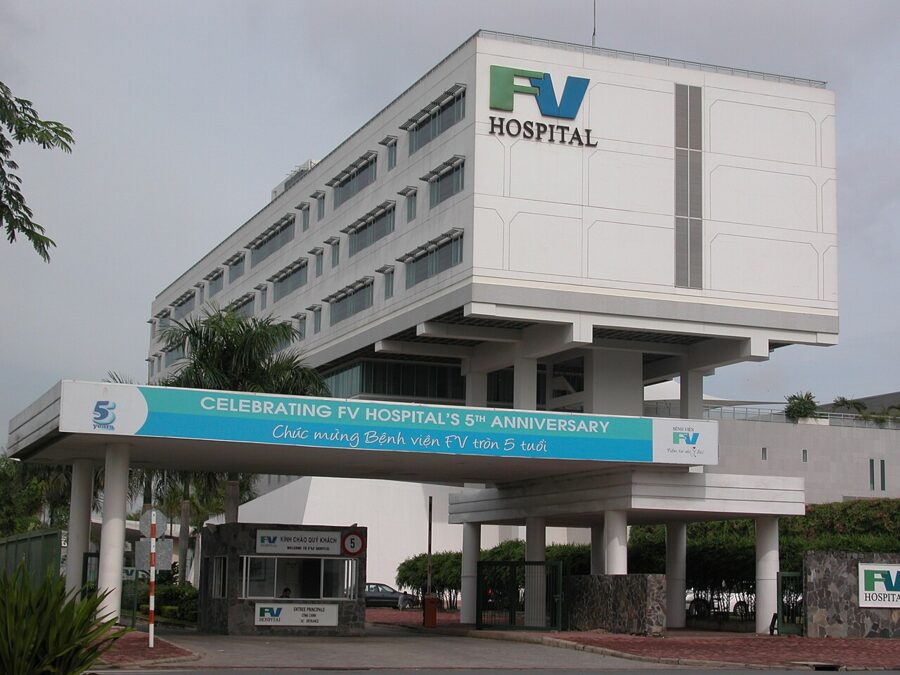
FV (Franco-Vietnamese) was founded in 2003 by a team of French doctors led by Dr Jean-Marcel Guillon, and it is still the hospital most foreigners in the south name first. Joint Commission International has accredited it four times in a row, covering 2016 to 2025. Staff work in Vietnamese, English and French, with Chinese, Japanese, Khmer, Korean and Russian also listed, and emergency, surgery, maternity, dentistry and a pharmacy share one campus.
It is in the planned suburb of Phú Mỹ Hưng, about nine kilometers south of the center; from the old District 1, allow half an hour or more by car. Next door at number 4 is Tâm Đức Heart Hospital (Bệnh viện Tim Tâm Đức), a private cardiac hospital with its own 24-hour emergency department and English-speaking staff.
Vinmec Central Park
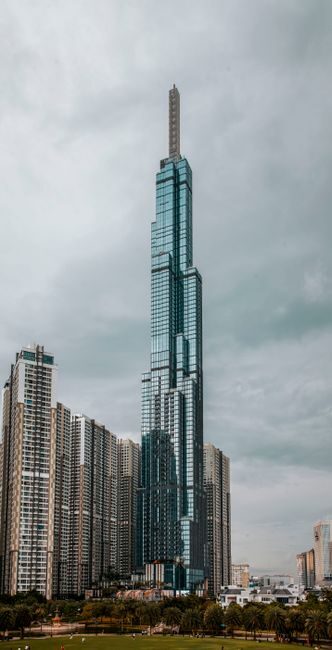
Vinmec is the hospital arm of Vingroup, Vietnam’s largest private conglomerate, and its Saigon hospital sits inside the Vinhomes Central Park development on the river in the old Bình Thạnh district. The 81-storey Landmark 81 tower marks the spot, and any driver knows “Vinmec Central Park”. The hospital offers on-site interpretation in English, Khmer and Korean, and its emergency and intensive care unit works around the clock, holidays included.
AIH, City International and Hoàn Mỹ
The American International Hospital (Bệnh viện Quốc tế Mỹ) at 199 Nguyễn Hoàng is the nearest full hospital for anyone staying in Thảo Điền or An Phú, across the river. City International Hospital, a large modern hospital with direct billing, makes sense if you are already out in old Bình Tân and much less from the center. Hoàn Mỹ Saigon Hospital, at 60-60A Phan Xích Long in Cầu Kiệu ward (Phú Nhuận), has English-speaking staff and a 24-hour emergency department, and is handy for anyone based near the airport.
Clinics in the center
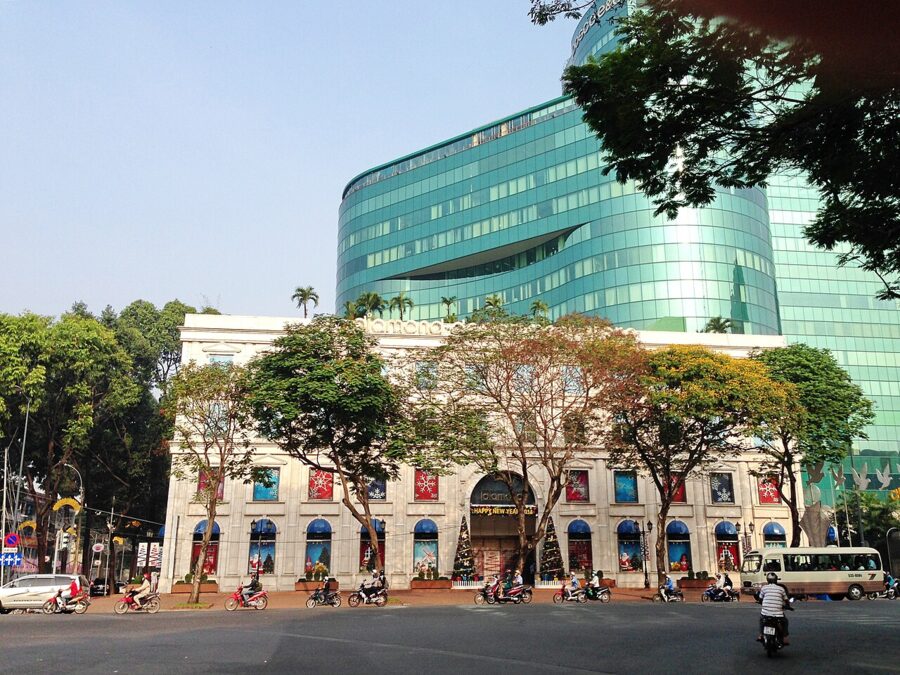
For a sore throat, stitches or a check-up, a clinic is quicker and cheaper than a hospital. Family Medical Practice runs one on the ground floor of the Diamond Plaza building at 34 Lê Duẩn, in Sài Gòn ward beside Notre-Dame Cathedral, open daily from 8am to 5pm. Its Thảo Điền center never closes, and its 24-hour emergency line is *9999.

Raffles Medical has moved. Some lists still give its old address on Nam Kỳ Khởi Nghĩa, but the clinic is now at 285B Điện Biên Phủ in Xuân Hòa ward (old District 3), open weekdays from 8am to 6pm and Saturdays from 8am to 5pm, with English- and Japanese-speaking staff. Nearby, the Centre Médical International (CMI) at 30 Phạm Ngọc Thạch has French-speaking doctors and opens Monday to Friday from 8am to 7pm and Saturday from 8am to 3pm.
Cross one name off: Columbia Asia’s clinic at 8 Alexandre de Rhodes, which older guides still recommend, closed on 31 January 2024 along with the group’s Gia Định hospital, when the company’s investment license ran out and could not be renewed.
Paying for it
Private hospitals and clinics expect payment on the spot, or a deposit before admission, unless they have a direct billing agreement with your insurer. FV and City International bill many international insurers directly; elsewhere, ask. Call your insurer’s assistance line before you go, or from the waiting room, so they can confirm the agreement and issue a guarantee of payment. If you pay yourself, keep every itemized bill, prescription and medical report in English for the claim.
The public hospitals, and when they are the right call
Vietnam’s public hospitals employ many of the country’s most experienced specialists. They are also crowded, mostly Vietnamese-speaking and run on a referral system that can bewilder a visitor who arrives alone. For you, they are the right call for major trauma, a few specialist conditions, or when the nearest emergency department in a hurry is a public one.
Chợ Rẫy Hospital
Chợ Rẫy (Bệnh viện Chợ Rẫy) at 201B Nguyễn Chí Thanh, Chợ Lớn ward (old District 5), is the largest general hospital in southern Vietnam and the end of the referral line for the region. Badly hurt in a road accident near the city, you could well end up here, possibly after being stabilized elsewhere. The emergency department runs 24 hours, but few doctors speak English, so bring a Vietnamese speaker if you possibly can.
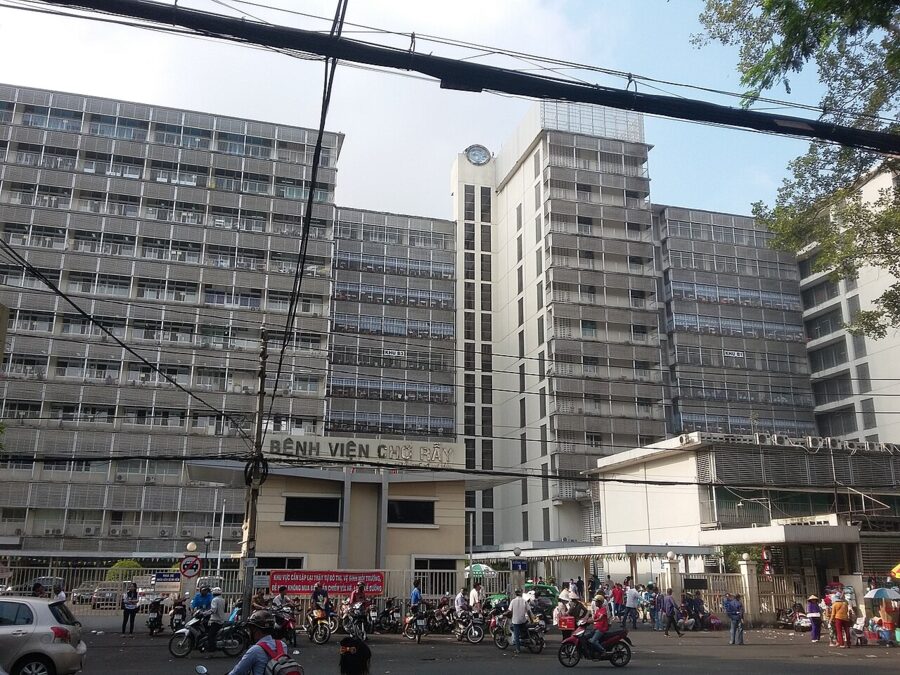

The hospital began around 1900 as the Hôpital municipal de Cholon, serving the Chinese trading city beside Saigon. It became the Hôpital indigène de Cochinchine in 1919 and the Hôpital Lalung-Bonnaire in 1938, when its 647 beds made it the largest general hospital of its day in the colony. The name Chợ Rẫy came in 1957. Today’s size depends on the source: 2,000 beds in some accounts, 3,200 in a 2022 report.
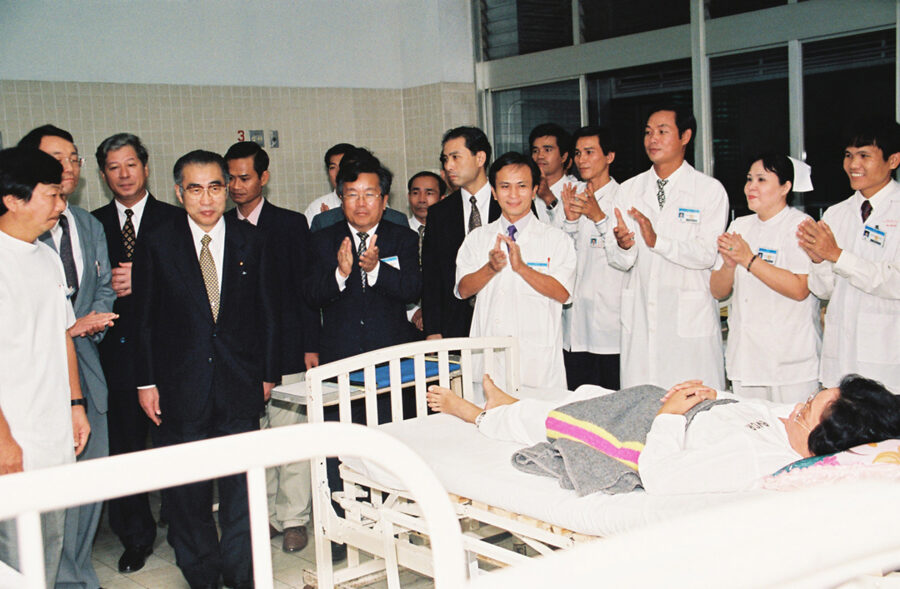
Between 1971 and 1974 the hospital was rebuilt on a new 53,000-square-meter site with Japanese government aid, and by June 1974 it was one of the largest hospitals in Southeast Asia. Japan paid for further work in 1993. When prime minister Keizō Obuchi visited Vietnam in December 1998, Chợ Rẫy was on his schedule.


The Hospital for Tropical Diseases
The Hospital for Tropical Diseases (Bệnh viện Bệnh Nhiệt đới) at 764 Võ Văn Kiệt, Chợ Quán ward (old District 5), is the south’s leading hospital for infections, where severe dengue, malaria and the fevers nobody else can name are sent. It is public and works mainly in Vietnamese. One of its wards is called the Vietnamese-British ward (Khoa Nhiễm Việt-Anh), and since 1991 the hospital has worked with the Oxford University Clinical Research Unit, a partnership the two marked with a 35th-anniversary ceremony on 17 November 2026.
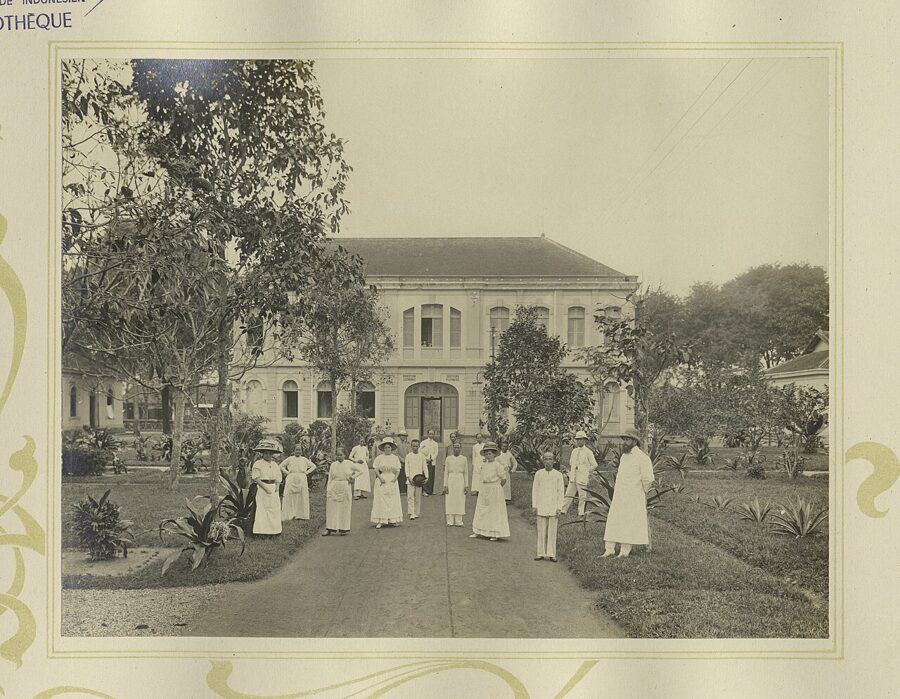
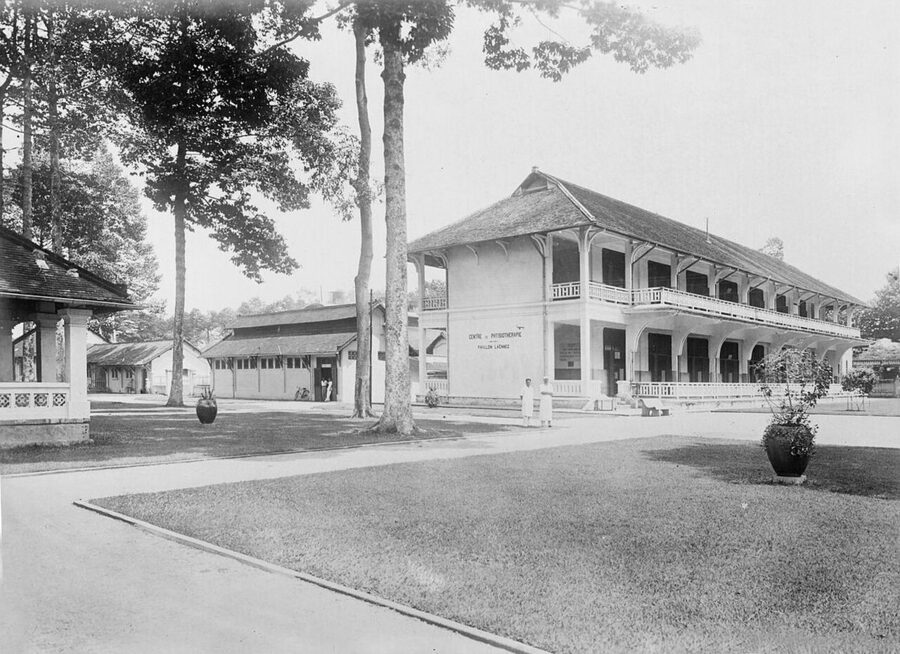
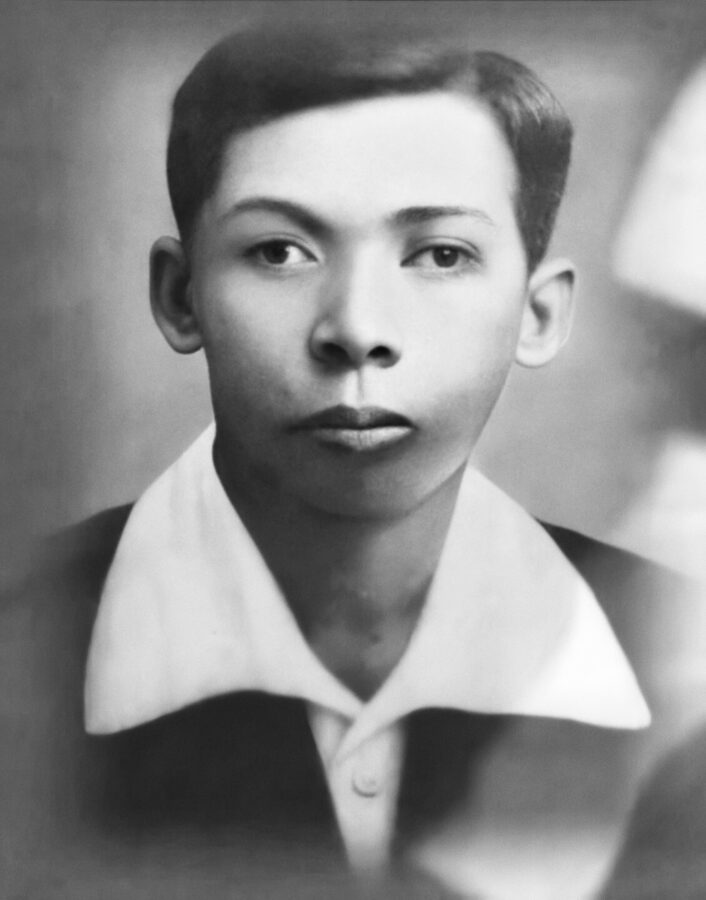
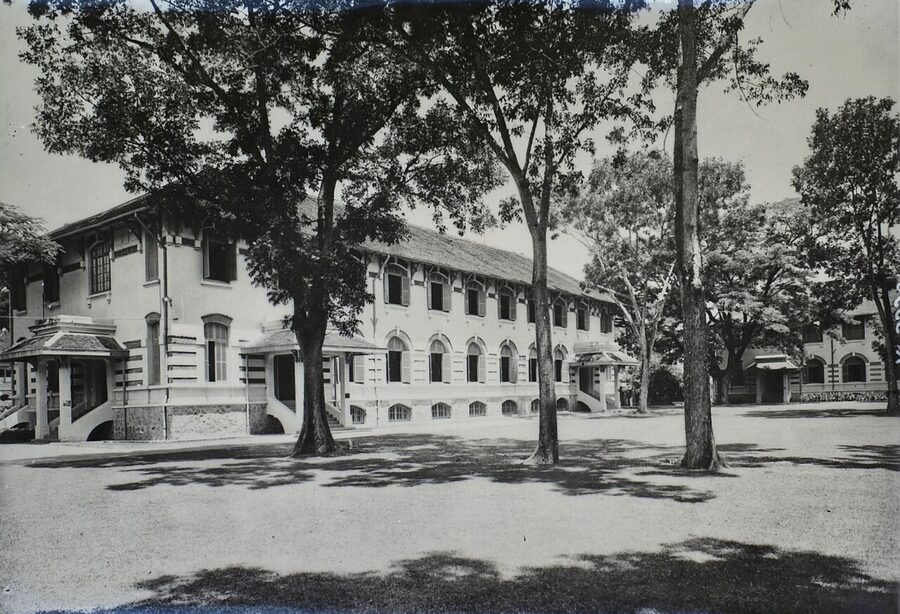
Its history starts in 1860, when the French expeditionary force took over more than five hectares of abandoned houses in the village of Chợ Quán, between Saigon and Chợ Lớn. Over the next century the hospital treated cholera, plague, leprosy and mental illness, and it held a prison ward. Trần Phú, the first general secretary of the Indochinese Communist Party, died there on 6 September 1931, and the prison block has been a national historic site since 1988.
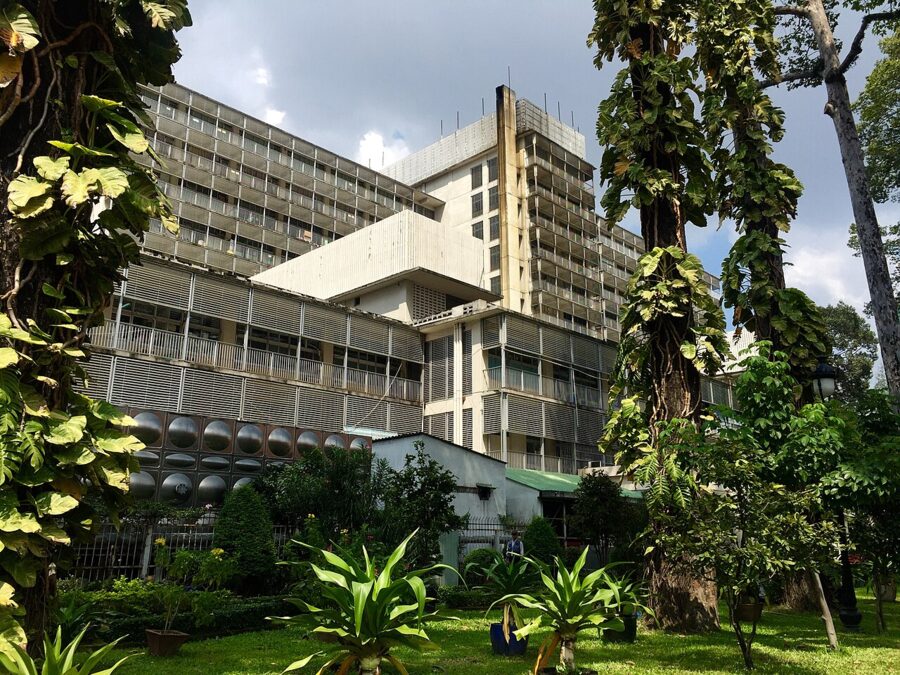
The six-storey main building, paid for by South Korea, was inaugurated on 2 March 1974 as the Korean-Vietnamese Medical Center, a few months before the Japanese-built Chợ Rẫy reopened up the road. After 1975 it took back the Chợ Quán name. It became the south’s infectious disease specialist in 1979 and has had its present name since 2002.
Children, mothers and broken bones
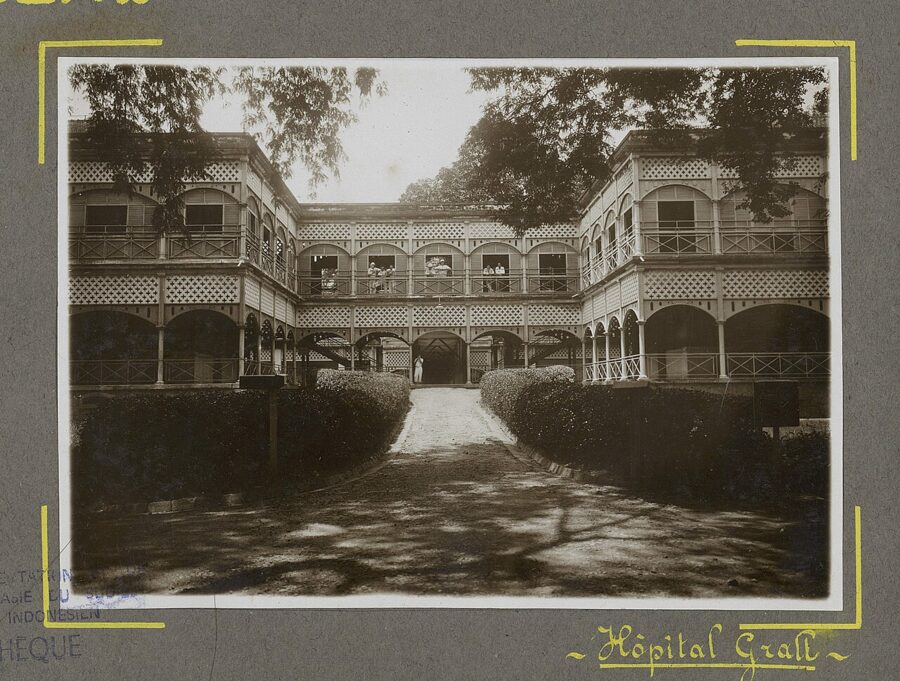
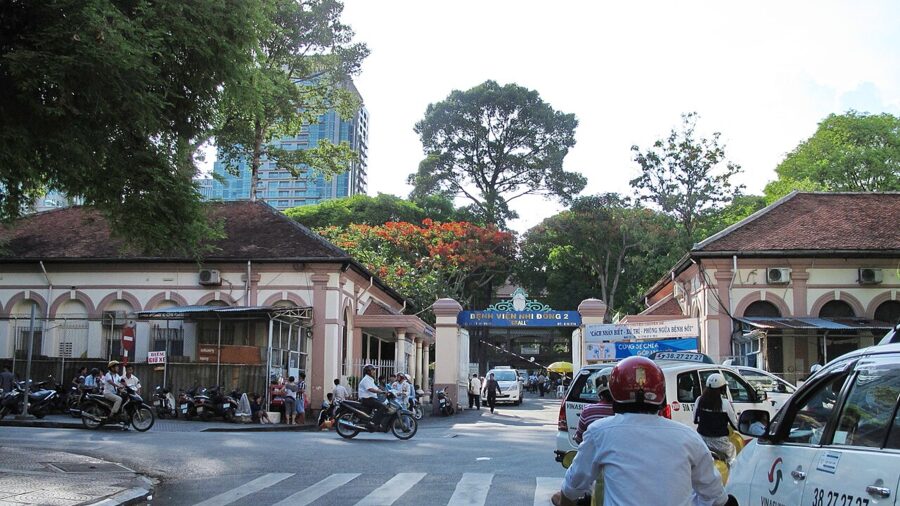
Children’s Hospital 2 (Bệnh viện Nhi đồng 2) on Lý Tự Trọng, in the old District 1, is one of the city’s main pediatric hospitals. It stands on the grounds of the colonial military hospital, the Hôpital Grall. With children, though, FV, Vinmec and Family Medical Practice all list pediatrics and work in English, which makes them the easier first stop.

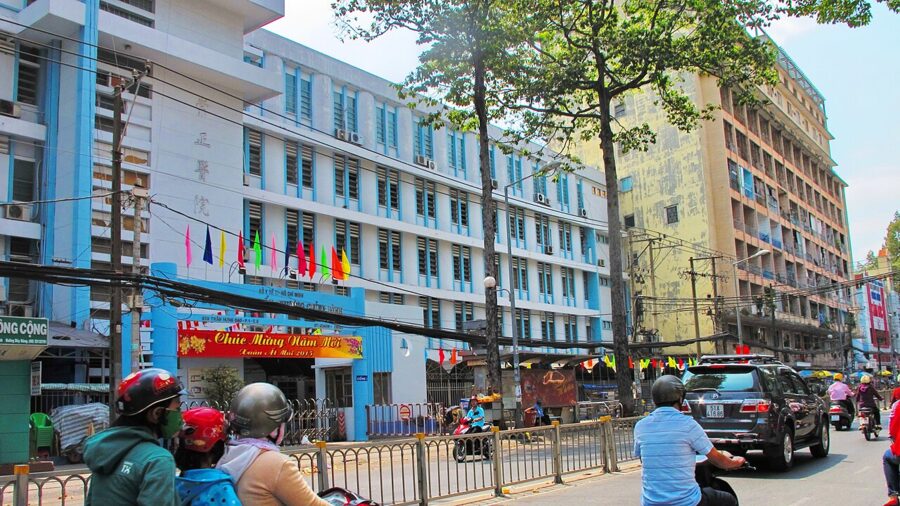
Từ Dũ Hospital (Bệnh viện Từ Dũ) at 284 Cống Quỳnh, Bến Thành ward, is the city’s best-known public maternity hospital, with 24-hour emergency care, though FV and the private maternity hospitals are easier for a foreign patient. For fractures, the Hospital for Traumatology and Orthopaedics (Bệnh viện Chấn thương Chỉnh hình) at 929 Trần Hưng Đạo, Chợ Quán ward, runs a 24-hour emergency department that sees what the city’s traffic produces every day.


Pharmacies
Look for the word nhà thuốc (pharmacy), usually beside a green cross; in the center many stay open late. The chains are easy to spot by their colors: FPT’s Long Châu, with about 2,640 pharmacies nationwide at the end of June 2026 plus its own vaccination centers; Pharmacity, with around 1,100; and An Khang, with a little over 400. Family pharmacies fill the gaps.
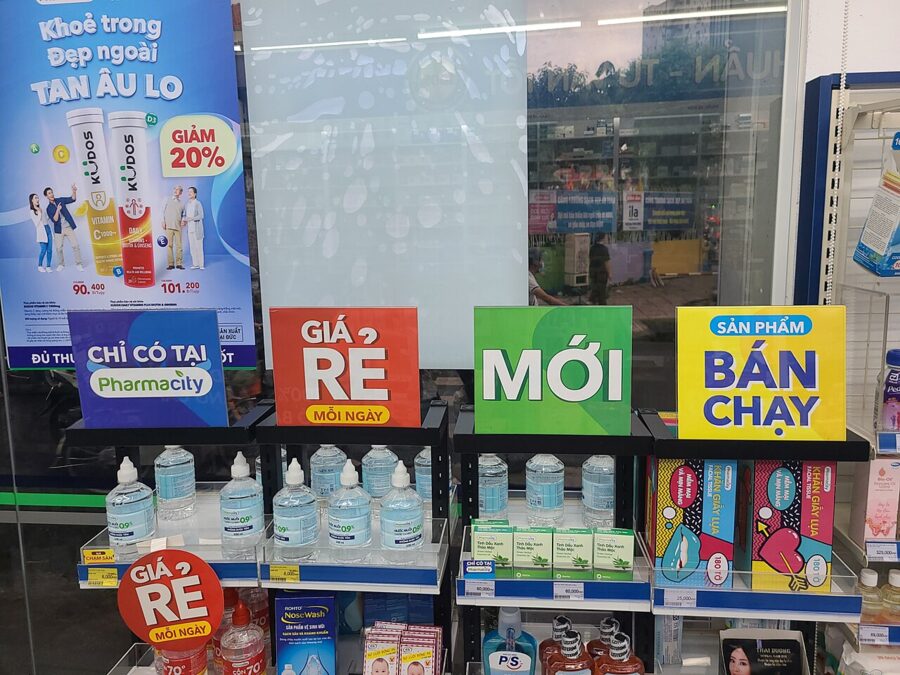
A pharmacist will often sell, over the counter, medicines that need a prescription at home, and some drugs that are routine elsewhere are restricted here. Ask by generic name rather than brand, and show the box or a photo of it if you have one. If a problem lasts more than a day or two, see a doctor at one of the clinics above.
Fake medicine is a real problem, and the British government’s travel advice says plainly that many medicines in Vietnam are counterfeit. In April 2025 police in Thanh Hóa province seized nearly ten tonnes of counterfeit drugs from a ring that had run for four years. In June 2025 Hồ Chí Minh City fined 18 pharmacies for violations that included selling drugs of unknown origin, and in April 2026 police in the city broke up another counterfeit operation built around paracetamol. Buy from hospital pharmacies and the large chains, check that packaging is sealed and in date, and keep the receipt.
Bringing your own medicines? Vietnam is strict about anything it classes as addictive or psychotropic, which covers some drugs for anxiety, depression, insomnia and addiction, and the British government warns that carrying more than seven days’ supply of these is illegal. Bring the prescription and a doctor’s letter giving your name, the drug, the dose and the quantity, and check with a Vietnamese embassy before you fly if you are unsure.
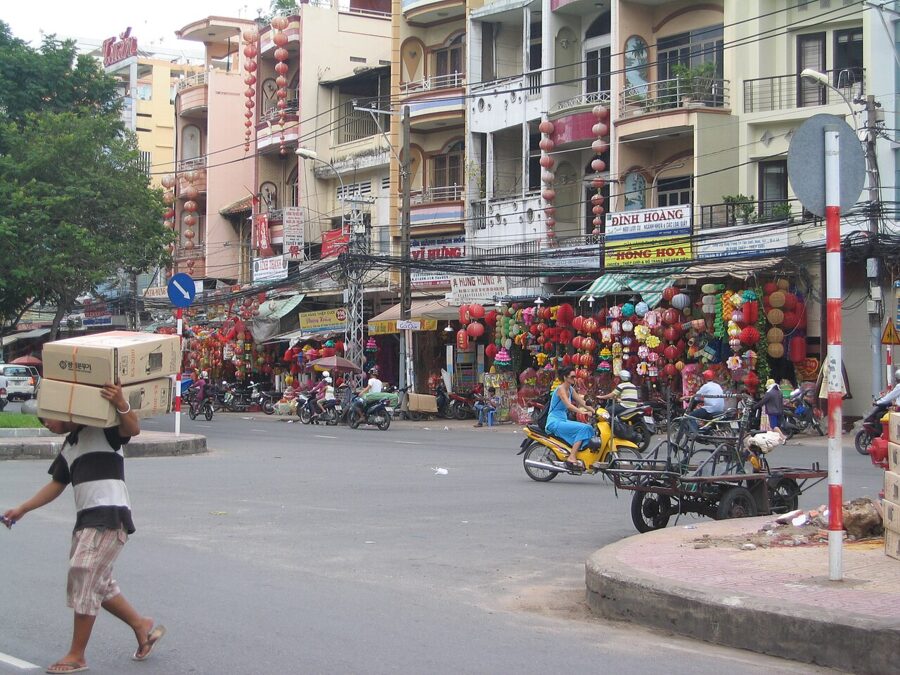

Traditional medicine has its own quarter on Hải Thượng Lãn Ông Street in Chợ Lớn, lined with herbal wholesalers for generations. It is worth a look as a street. As a substitute for the treatment above, it is not.
What actually puts visitors in hospital
Heat
Saigon is hot all year, and the weeks before the rains, from March into May, are the worst. Most heat problems that reach a clinic are simple: dehydration, or heat exhaustion after a long midday walk. Walk early and late, drink more than you think you need, and spend the middle of the day somewhere air-conditioned. The Ho Chi Minh City weather guide has the month-by-month detail.
Dengue
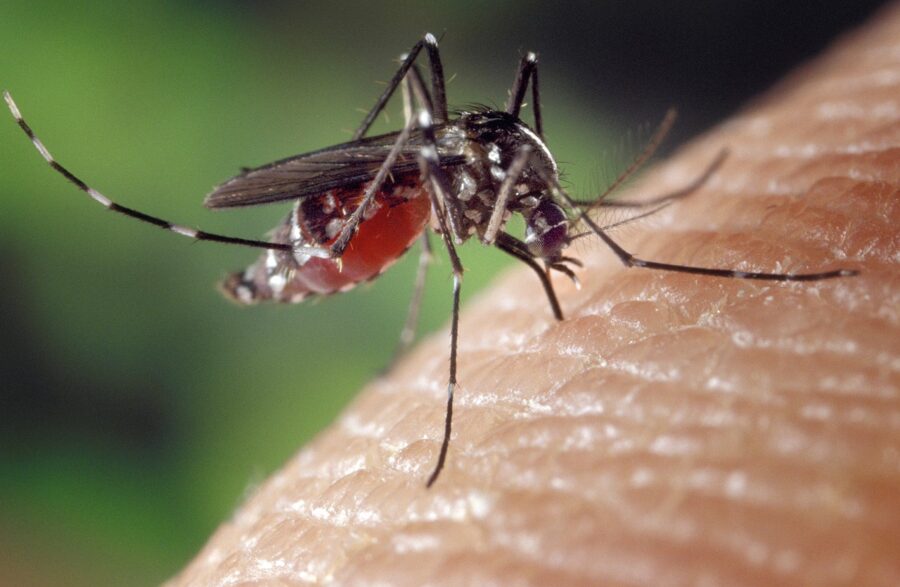
Dengue is the infection most worth knowing about. Aedes mosquitoes spread it, biting in daylight, and breed in any small pool of clean water: a flowerpot saucer, a bottle cap, an offering bowl. The US Centers for Disease Control and Prevention describes the risk as year-round in many parts of Vietnam. In Saigon, cases climb with the rains from about May and stay high to the end of the year.
2026 has been a heavy year. The city’s Center for Disease Control counted 31,032 cases from January to 6 September, with more than 1,000 new cases a week through August and early September, and expected numbers to stay high to the end of the year. By the end of May, cases were nearly 65 percent above the same point in 2025.
Prevention is about the bites: repellent on exposed skin by day, long sleeves at dawn and dusk, screens or air conditioning at night. A dengue vaccine, Qdenga, is licensed in Vietnam for anyone aged four and over, given as two doses three months apart. The UK’s travel health service suggests it for people who have had dengue before, and for others only after a talk with a specialist, while US advice says no dengue vaccine is available to travelers. Ask a travel clinic at home, and if you develop a high fever in Saigon, see a doctor rather than waiting it out.

Food and water
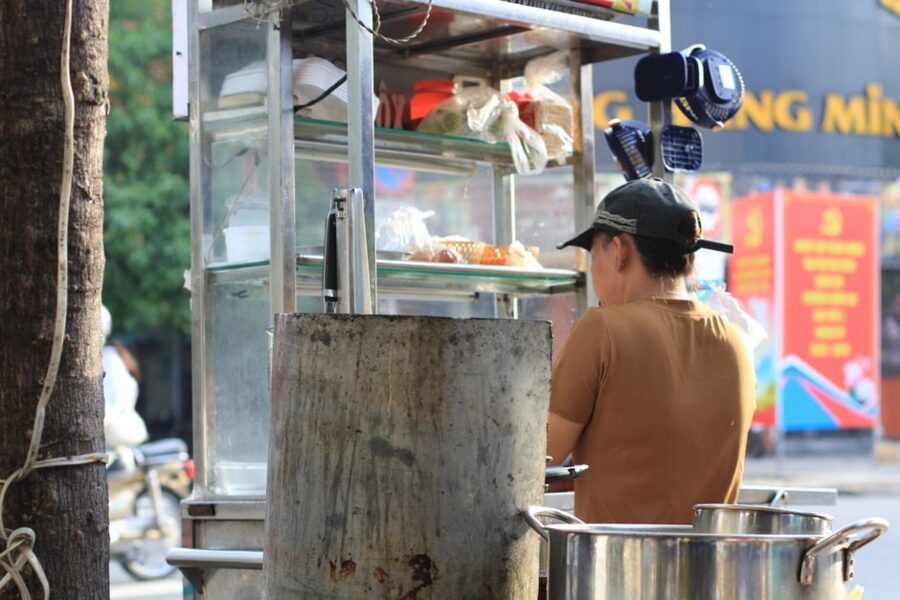
Do not drink the tap water; bottled and filtered water is sold everywhere. Street food is one of the best things about the city, and the stalls with the most customers turn their food over fastest. A bad choice usually means a day or two of misery, but the UK and US both recommend hepatitis A and typhoid vaccines for most travelers to Vietnam, because both spread through food and water. For what to eat, see restaurants in Ho Chi Minh City.
Traffic
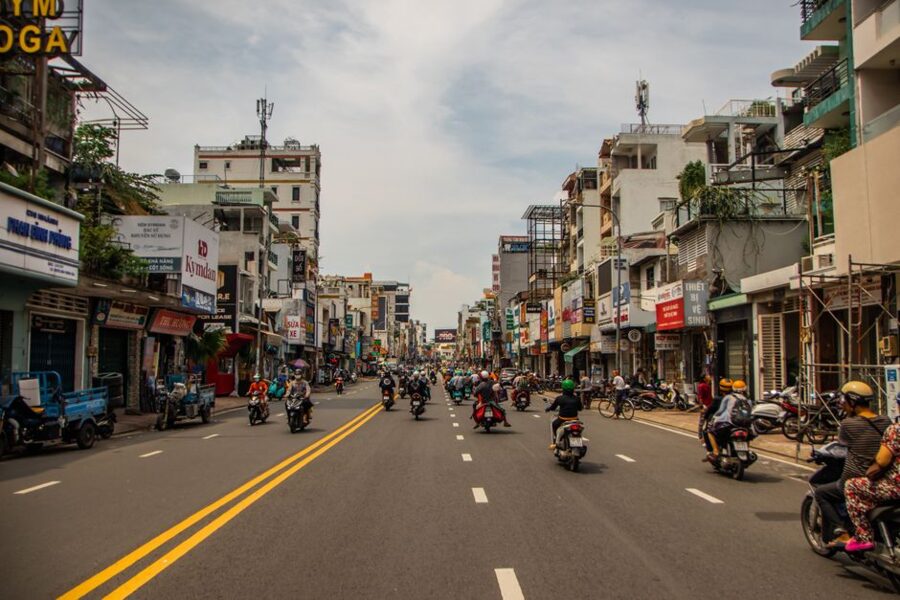
Road accidents are the likeliest way for a visitor to get seriously hurt. Vietnam recorded 10,491 road deaths in 2025, in a country with about 79 million motorbikes and 7.5 million cars. The CDC’s advice is to avoid motorbikes and motorbike taxis altogether. If you do ride, wear a fastened helmet every time, and read your policy: many exclude motorbike accidents if you had no license valid in Vietnam.
Air
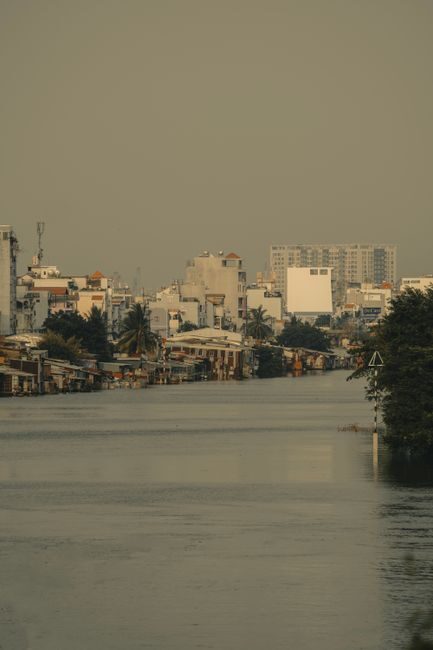
Saigon’s air has been getting worse, with fine dust from traffic pushing quality down through 2025. On several days in December 2025 and January 2026 the city ranked among the ten most polluted in the world on live air quality indexes, with the worst readings in the morning and midday rush. A low-emission zone is planned from 2027. For a healthy visitor this is a nuisance rather than a danger, but anyone with asthma or a heart or lung condition should bring enough medication and talk to their doctor before the trip.
Animals, and the vaccines to ask about
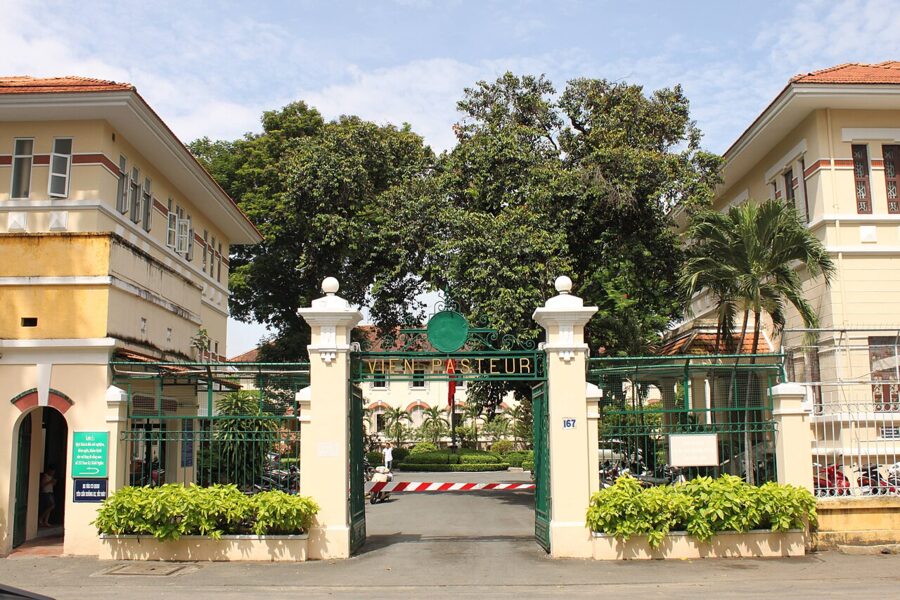
Rabies exists in Vietnam, mostly in dogs. Any bite or scratch from a dog, cat or monkey needs cleaning straight away and a doctor the same day, even if it looks minor. The vaccination center at the Pasteur Institute (Viện Pasteur), 167 Pasteur in Xuân Hòa ward, gives rabies vaccine, as do the private hospitals and the big vaccination chains.

See a travel clinic six to eight weeks before you go. The UK’s travel health service recommends hepatitis A, typhoid and an up-to-date tetanus for most travelers to Vietnam, and lists hepatitis B, Japanese encephalitis, rabies, dengue and chikungunya for some, depending on the trip. Japanese encephalitis matters more for long stays and rice-field country than for a week in the city. There is no malaria in Ho Chi Minh City itself, and only a low risk in rural parts of provinces such as Tây Ninh.
Insurance and getting flown out
Buy travel insurance that covers treatment in Vietnam and medical evacuation, and read it before you leave. The British government’s checklist works for any nationality: pre-existing conditions declared and covered, an air ambulance, full medical costs and repatriation. Embassies publish lists of hospitals, but they do not pay medical bills.
The most useful number on your phone is your insurer’s 24-hour assistance line, and the time to call it is as soon as you are admitted anywhere. The assistance company can talk to the hospital, guarantee payment so you are not asked for a large deposit, move you from a public hospital to a private one, and decide with the treating doctors whether you need evacuation abroad. The cost of an air ambulance is why the evacuation clause deserves the closest reading.
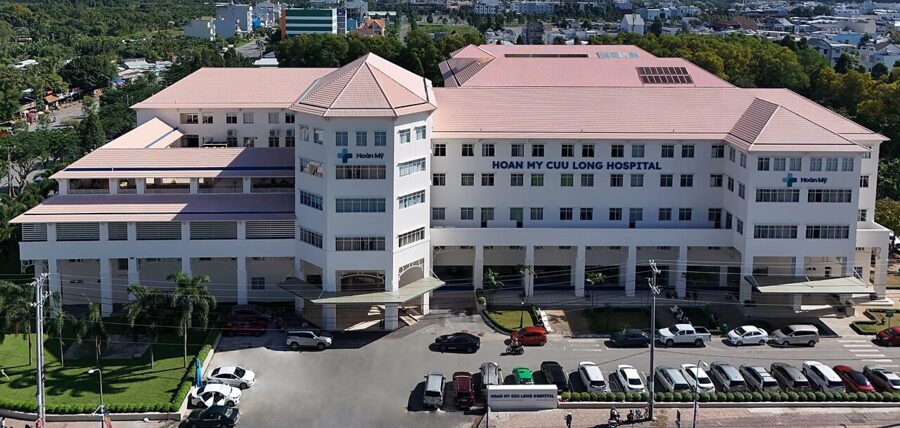
Two more points. Vietnam has no mental health act, and support for a foreigner in a mental health crisis is very limited. And on a day trip, to the Củ Chi Tunnels or out into the Mekong Delta, the nearest good emergency department is usually back in the city; in Cần Thơ, the private Hoàn Mỹ Cửu Long Hospital on Võ Nguyên Giáp has English-speaking staff and a 24-hour emergency service.
Before you need any of this, open your maps app and save two places: the nearest emergency department from the table above, with its Vietnamese name, and the clinic closest to where you sleep. If something goes wrong at 3am, you hand your phone to a driver in a green jacket and say the name. Bệnh viện, hospital, is the one word to remember.