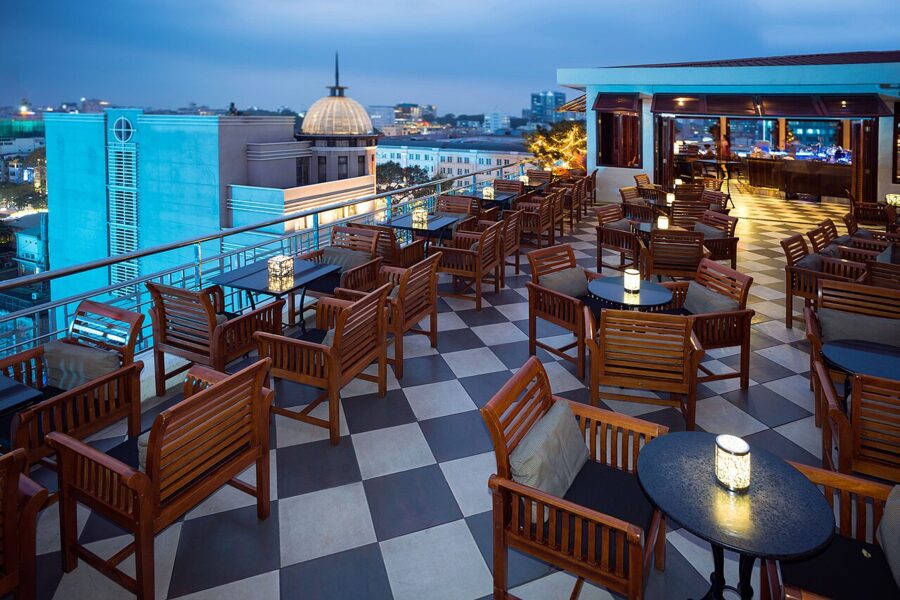
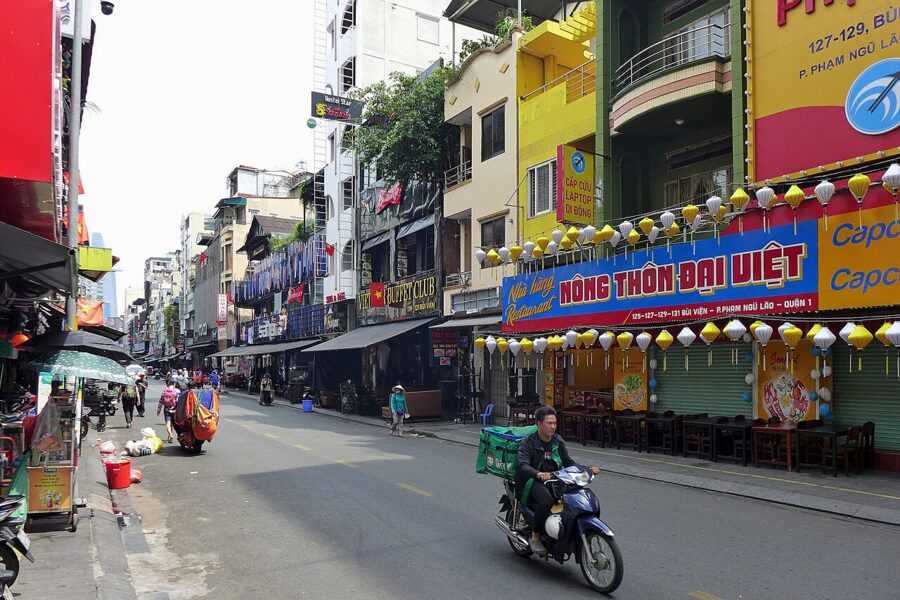
At a quarter to six in the evening, a trolley of bottles and glassware starts its round on the ninth floor of the Caravelle Saigon. The bar up there has served drinks above Lam Sơn Square since the hotel opened in 1959, and it reopened on 28 September 2026 after a full refit, with the checkered floor and louvered doors kept and a reporter’s typewriter on display. Under two kilometers to the southwest, at the same hour, Bùi Viện Street is a lane of half-raised shutters and delivery bikes.
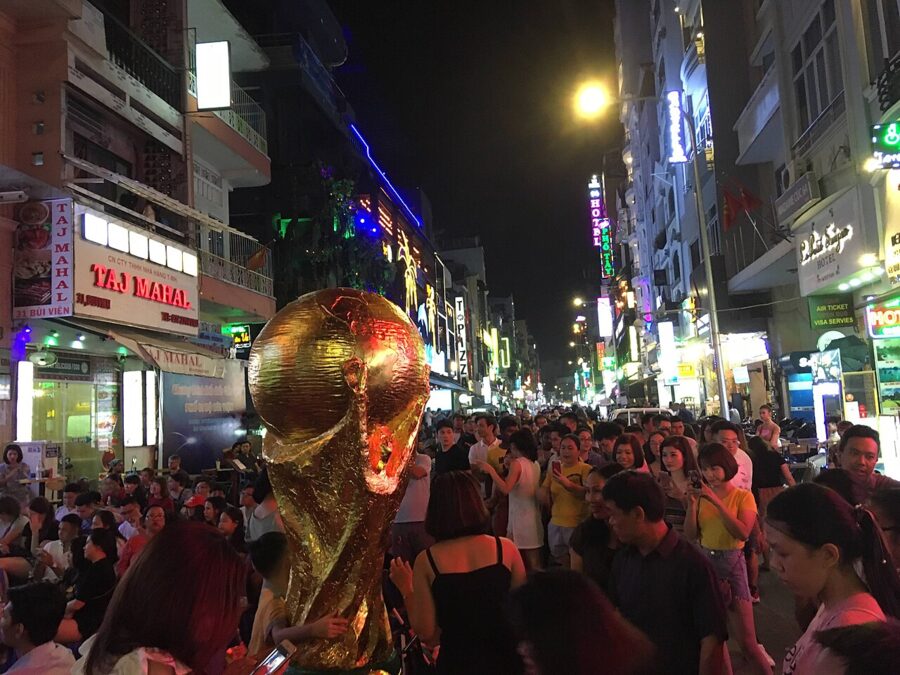
By eleven the two have swapped roles. The rooftop has settled into a band and quiet conversation, and Bùi Viện has become a canyon of speakers, laser pointers and plastic chairs pushed out into the road. A good night out moves between the two, with a sidewalk beer place in the middle and the ride home at the end.


On this page
- How a Saigon night runs
- Drinking after dark, from Tự Do Street to the backpacker quarter
- Rooftop bars: the view, the price and what to wear
- Bùi Viện Walking Street
- Craft beer, cocktails and wine
- Live music, phòng trà and a night at the theater
- Clubs: the main names and how the door works
- Staying safe and getting home
How a Saigon night runs
Saigon eats early and drinks long. Dinner is often done by eight, and the after-work drinking session that Vietnamese call nhậu starts as soon as offices empty, around five. Rooftop bars open in the late afternoon for the sunset crowd, ordinary bars run until one or two in the morning, and Bùi Viện keeps going past that on weekends.
The law draws a line for clubs. Under the government decree on karaoke and dance-hall businesses (Decree 54 of 2019, as amended up to 2024), a licensed dance hall may not operate between 2am and 8am. Many venues that feel like clubs hold bar licenses instead, which is why closing times vary so much from door to door.

Nhậu: drinking at street level
The plastic-stool beer place is the base of the city’s night. A quán nhậu can be a shopfront with tables spilling onto the sidewalk, a covered yard with a hundred tables, or a snail shop (quán ốc) where the menu runs to twenty kinds of shellfish and the beer arrives by the crate. Beer comes with ice in the glass, which is normal in the south and no sign of a cheap bar.
The ritual matters more than the drink. Glasses clink on a count of “một, hai, ba, dzô” (one, two, three, in), and a call of “trăm phần trăm” (one hundred percent) means finishing the glass. Pace yourself with “lai rai”, the slow sipping that keeps a session going for three hours. Food is part of the deal: grilled squid, beef in betel leaves, papaya salad, clams in lemongrass broth.
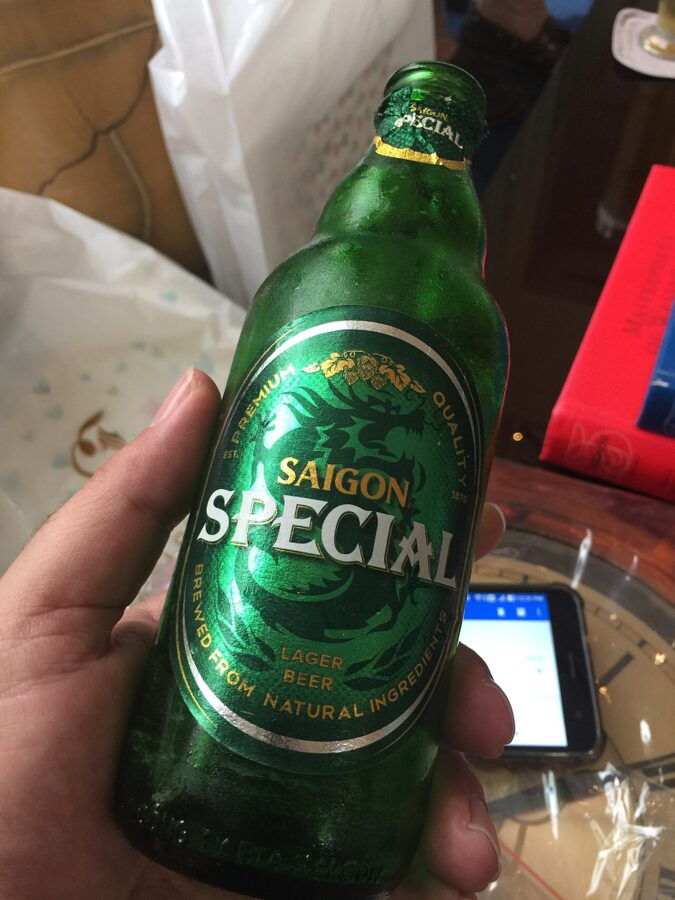

Prices at this level stay low. A travel bulletin updated in November 2026 put draft beer in the backpacker district at 15,000 to 40,000₫ (about US$0.60 to US$1.50) a glass and bottled beer in bars at 40,000 to 80,000₫ (about US$1.50 to US$3).
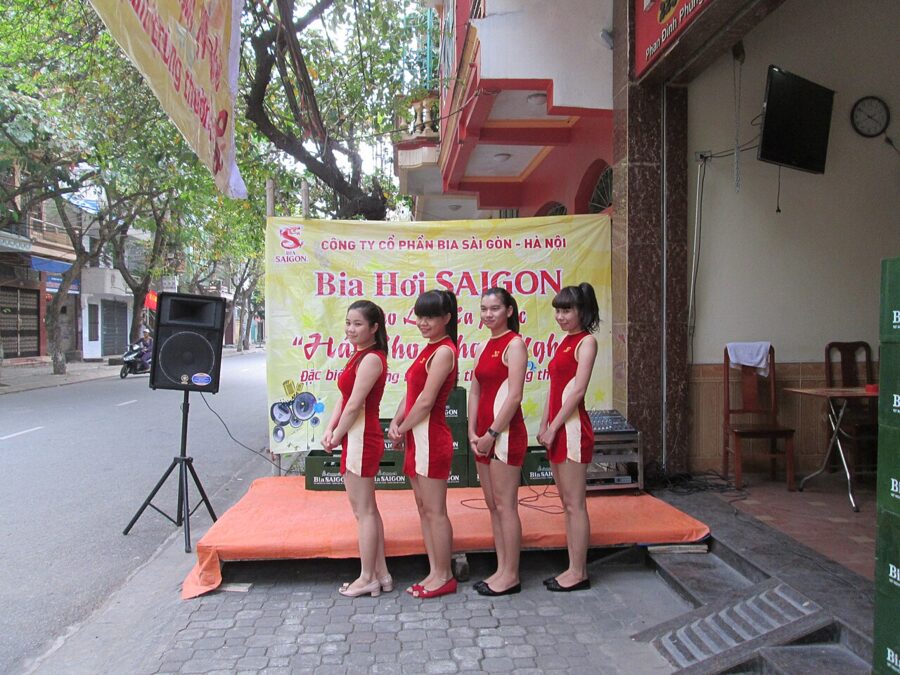

Paying and practical habits
Street places want cash, and the bill comes when you ask for it (“tính tiền”). The 20,000₫ and 500,000₫ notes are both blue and easy to mix up in a dim bar, one of the small points of banking and currency in Vietnam worth knowing before a night out. Hotel bars and rooftops take cards and print prices with a “++” that adds service charge and VAT on top, so a cocktail listed at 300,000₫ costs noticeably more by the end.
The legal drinking age is 18, and bars and clubs can ask for ID. Dress follows the venue: flip-flops are fine on a plastic stool, but closed shoes and a shirt with sleeves avoid any discussion at a rooftop or club door.
Drinking after dark, from Tự Do Street to the backpacker quarter
The city’s nightlife has always followed whoever had money and time in it. In the colonial decades that meant the cafés and terraces of the Rue Catinat, today’s Đồng Khởi Street. After the French left, the street was renamed Tự Do (Freedom), and through the 1960s its lower end filled with bars for American soldiers on leave while the hotels around Lam Sơn Square became the press corps’ base, one of the stranger chapters in the history of Ho Chi Minh City.
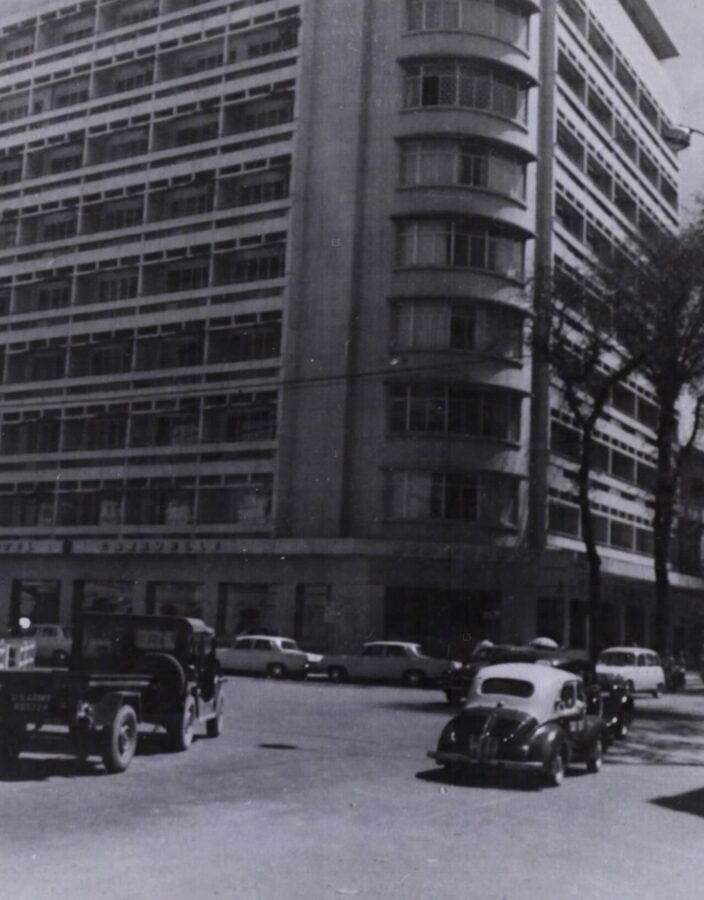
Two rooftops from those years still serve drinks. A block from the Caravelle, the Rex housed American officers, and the daily military press briefings held in the building were nicknamed the “Five O’Clock Follies” by the reporters who sat through them; the roof garden upstairs was where many went afterward.
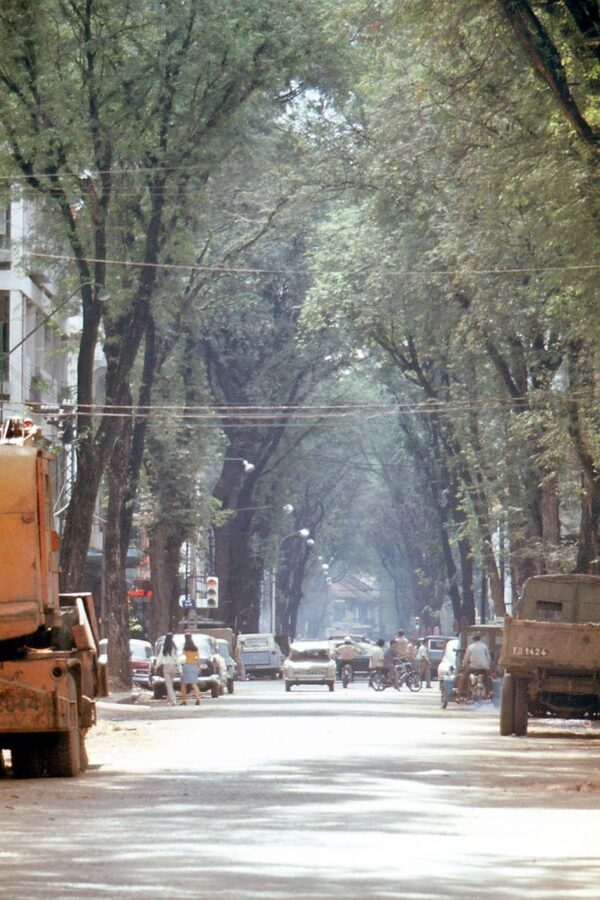

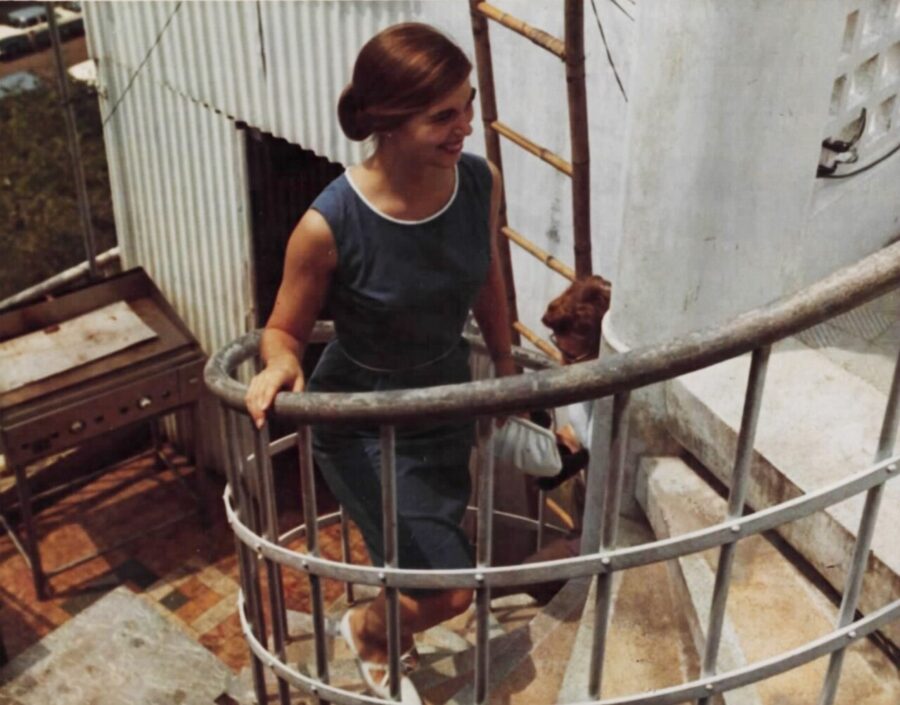
The most famous rooftop of 1975 has no bar at all. On 29 April, the Dutch photographer Hubert van Es photographed a helicopter lifting evacuees from the roof of the Pittman Apartments at 22 Gia Long Street, today’s Lý Tự Trọng Street. For years drinkers at Saigon Saigon could pick out that roof from the terrace; a newspaper review of the 2026 refit noted that a newer high-rise now blocks the view.
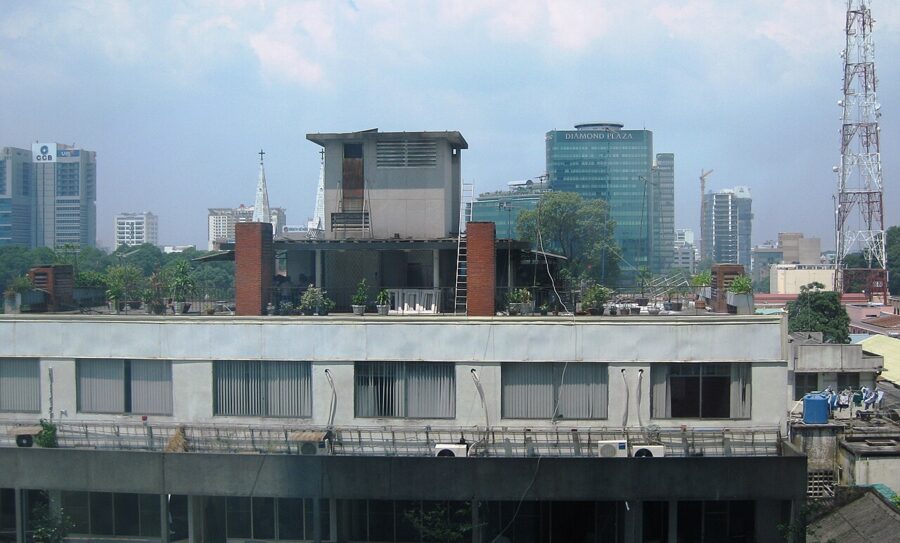

After 1975 the bars went quiet for more than a decade. They came back with the Đổi Mới reforms of 1986 and the first foreign backpackers of the early 1990s, who found cheap rooms in the lanes around Phạm Ngũ Lão Street. Under the Republic of Vietnam that corner had been known as Ngã tư Quốc tế, the International Crossroads. The guesthouses, travel cafés and bars that grew there became the backpacker quarter, and Bùi Viện became its spine.
Rooftop bars: the view, the price and what to wear
Saigon’s rooftops split into two kinds: the low old hotel roofs, looking across at French-era buildings, and the towers twenty to fifty floors up, behind glass or on a windy ledge.
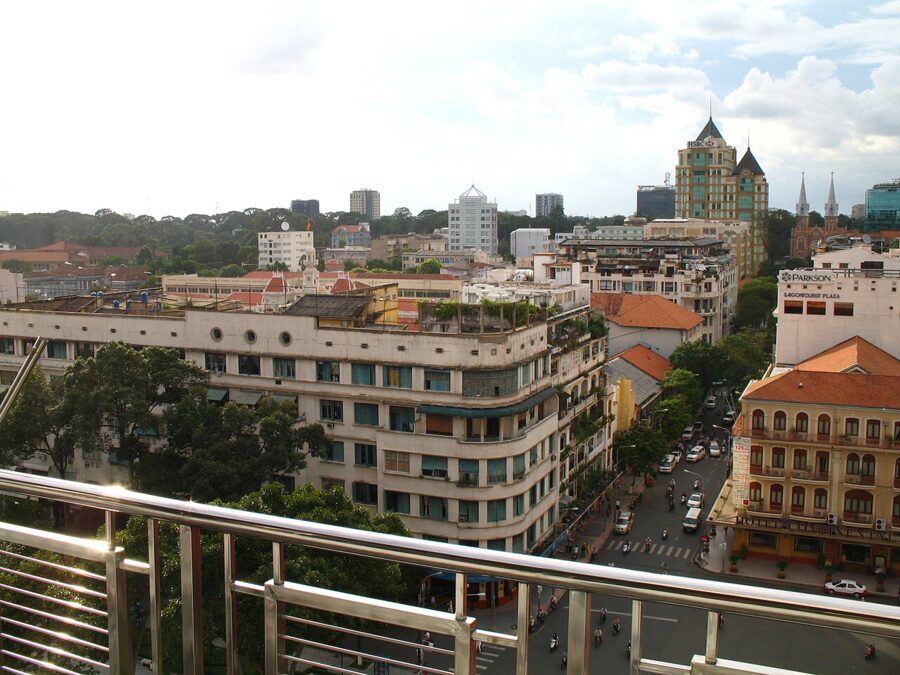

Saigon Saigon Rooftop Bar, Caravelle Saigon
The Caravelle’s bar (19–23 Lam Sơn Square, Sài Gòn Ward, the old District 1) reopened in late September 2026 with a design that mixes Art Deco geometry, Indochina-era detail and a nod to disco. It opens daily from 4pm, and press coverage of the reopening gave closing time as 1am. From 5:45pm to 7:45pm the “Ritual 1959” cocktail trolley goes from table to table to a DJ set, and a live band plays from 8pm to 10:30pm Monday to Saturday and until 10pm on Sunday.
Drinks run from 200,000 to 700,000₫ (about US$8 to US$27). The house cocktail is still the Miss Saigon, and the bar has no air-conditioning, which suits the breeze on a dry-season evening and less so a sticky one in May. Come for the first hour of the band rather than the sunset: the view is short, and the room is at its best once the music starts.
Rex Rooftop Garden Bar
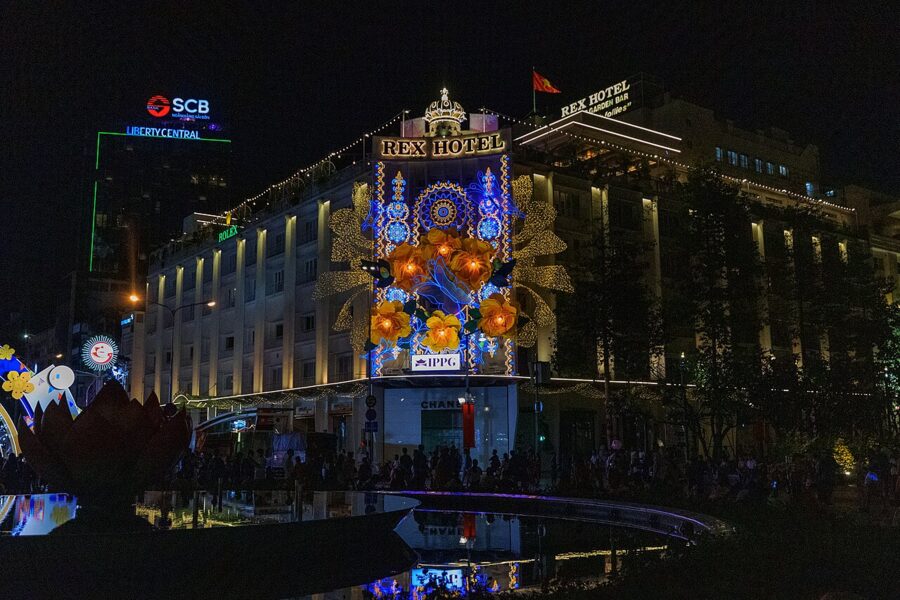
The Rex’s roof garden, above the corner where Nguyễn Huệ meets Lê Lợi, trades on its war-years past, under the hotel’s lit crown and with a view straight down the Nguyễn Huệ walking street. The hotel lists the bar as open from 10:30am until late.

Social Club, Hôtel des Arts Saigon
On the 24th floor of the Hôtel des Arts (76–78 Nguyễn Thị Minh Khai, Xuân Hòa Ward, the old District 3), the Social Club Rooftop Bar looks out over District 3 toward the towers of the center. It draws a dressier crowd than the Rex, and the hour around sunset is its busiest. The floor below holds The Albion, a British restaurant led by the chef Kirk Westaway.
Chill Skybar and the towers
Chill Skybar, on the 26th floor of the AB Tower beside the New World Hotel (76A Lê Lai), calls itself the first skybar in Vietnam and runs as half lounge, half club, with DJs and table service, so dress for a club. Higher still, the EON Heli Bar sits in the Bitexco Financial Tower (2 Hải Triều), whose 50th to 52nd floors hold the EON51 venues; the bar lists its hours as 10:30am until late, and the view is through glass rather than open air.
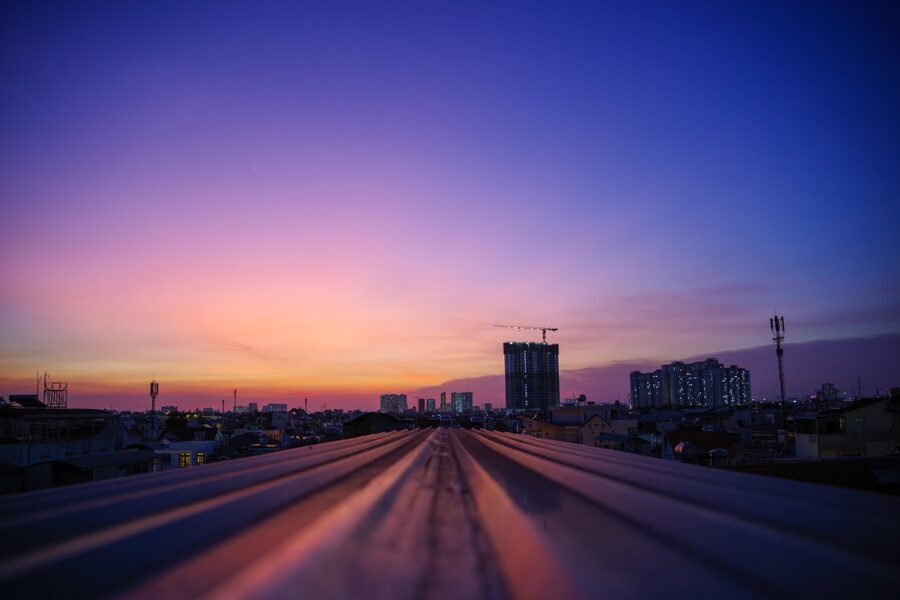
Two warnings apply to every rooftop. Storms in the wet season, roughly May to November, arrive fast, and open terraces clear in minutes, so check the Ho Chi Minh City weather before you plan a sunset.
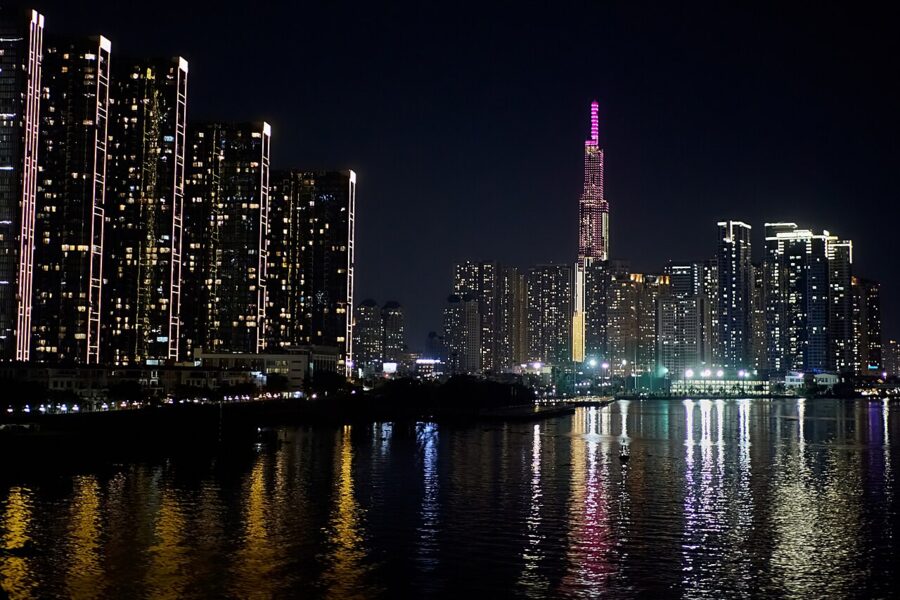
Bùi Viện Walking Street
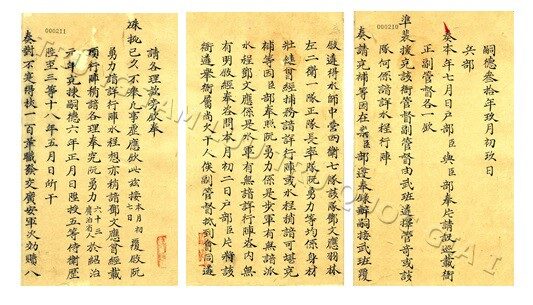
The street is named for Bùi Viện (1839–1878), a mandarin of the Nguyễn court who in 1873 crossed the Pacific to seek American help against the French, and who is often described as the first Vietnamese to reach the United States. Until 1949 the lane was a footpath through Tân Hòa village; the State of Vietnam named it Bảo Hộ Thoại in 1950, and it took Bùi Viện’s name in 1955. It runs from Trần Hưng Đạo to Cống Quỳnh, crossing Đề Thám and Đỗ Quang Đẩu.
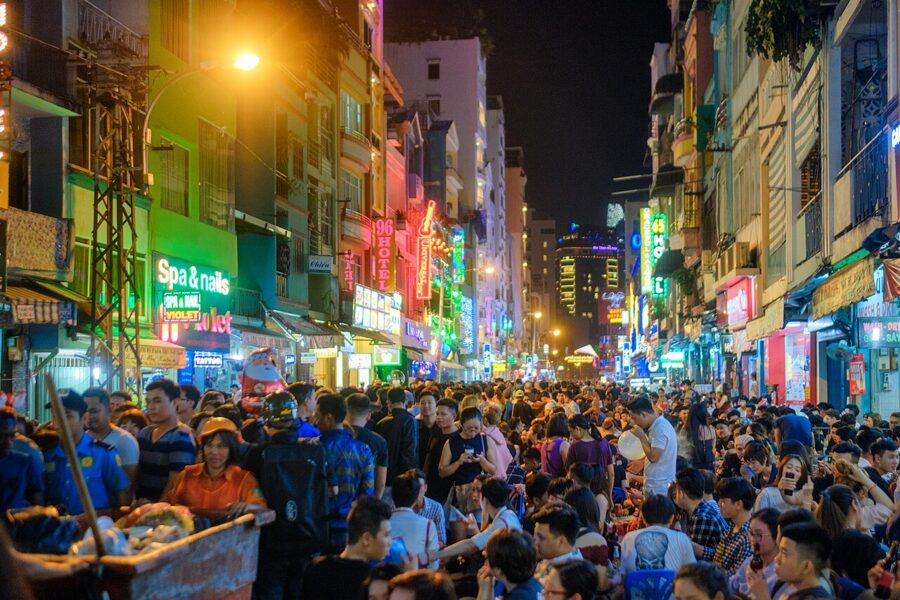
In August 2017 the city made the stretch between Đề Thám and Đỗ Quang Đẩu its second walking street, after Nguyễn Huệ, rebuilding the road and sidewalks and adding lighting and drainage. The pedestrian rule is a weekend one: traffic is barred on Saturday and Sunday nights from 7pm until 2am, and some notices extend it to Friday. On other nights the bars are open just the same, but motorbikes still nose through the crowd. Since July 2025 the street has been in Bến Thành Ward, after the old Phạm Ngũ Lão Ward was merged into it.

What to expect
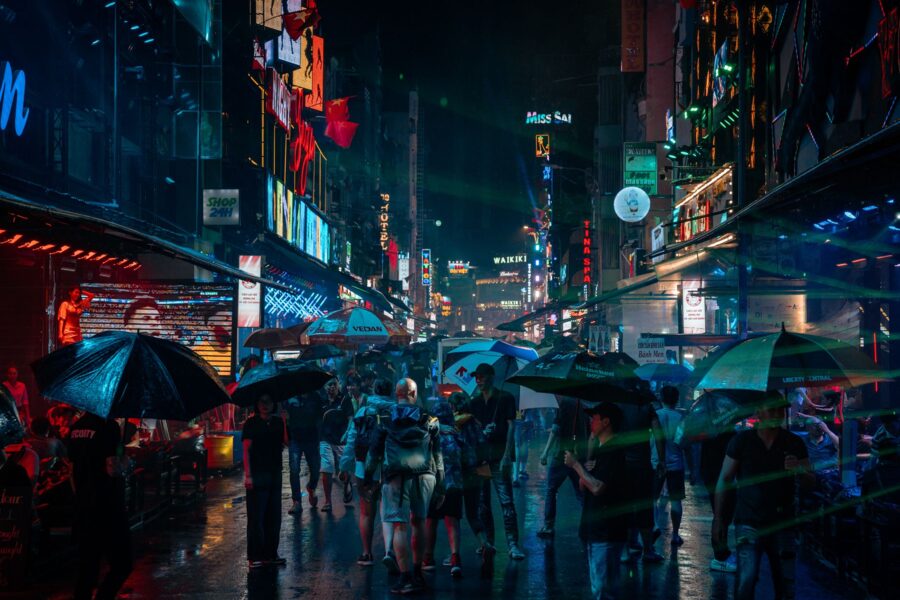
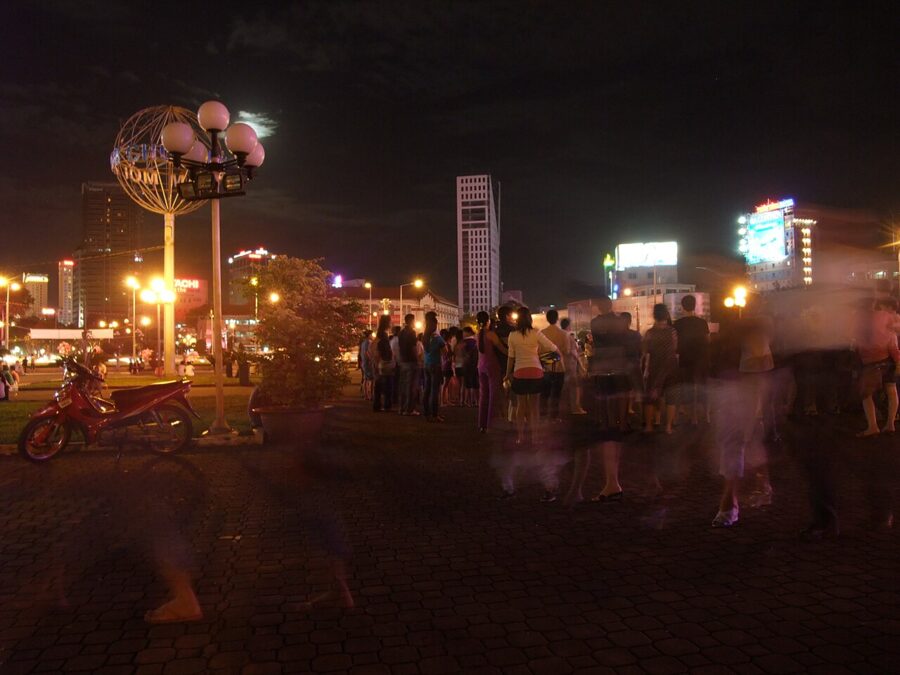
Bùi Viện is loud on purpose. Every bar faces the road with its own sound system, and the speakers fight each other for passing trade. Promoters walk up with laminated menus and happy-hour deals, fire-breathers and street dancers work the crowd, and the plastic chairs face outward so that the street itself is the show. Somewhere along the way, someone will offer you a balloon.
Prices are fair if you check them first. A newspaper survey of the street in October 2026 found drinks from 30,000 to 200,000₫ (about US$1.15 to US$7.70) and meals from 80,000 to 200,000₫; an Irish couple it interviewed had spent 600,000₫ (about US$23) on three beers and three cocktails. Sit where the menu has prices on it, and count the bottles before the bill comes.
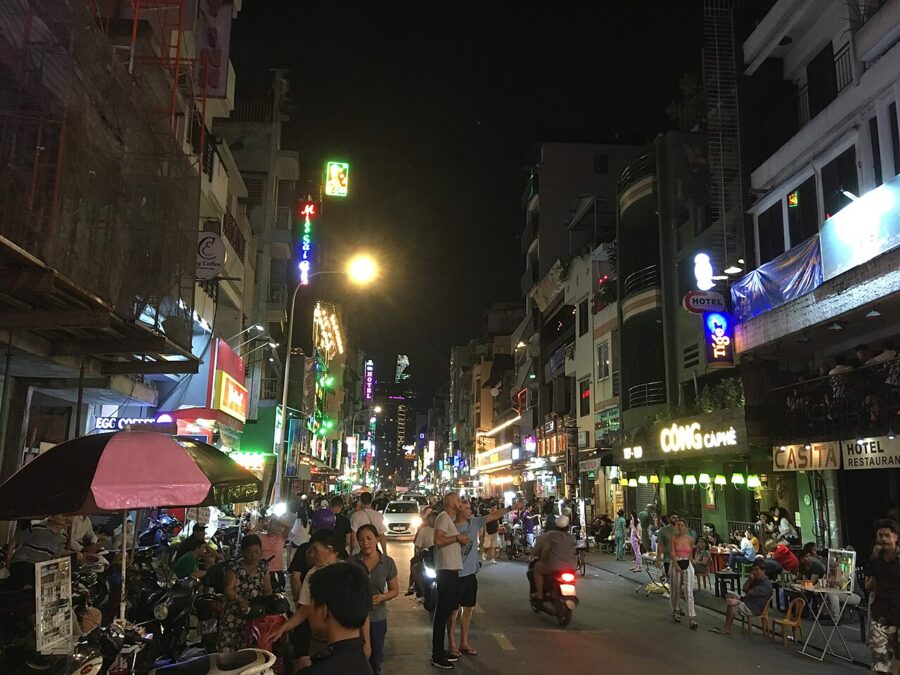

The street also has a reputation it has not shaken. In July 2025 a tourism expert writing in the national press argued that unregulated growth had worn away its appeal, and in August 2025 Bến Thành Ward launched a crackdown on the sale of laughing gas, drug use and prostitution along it. Officials have since pushed it as part of the city’s night-time economy, and tour guides surveyed in 2026 described it as moving toward a “more civilized” destination.
Around the corner
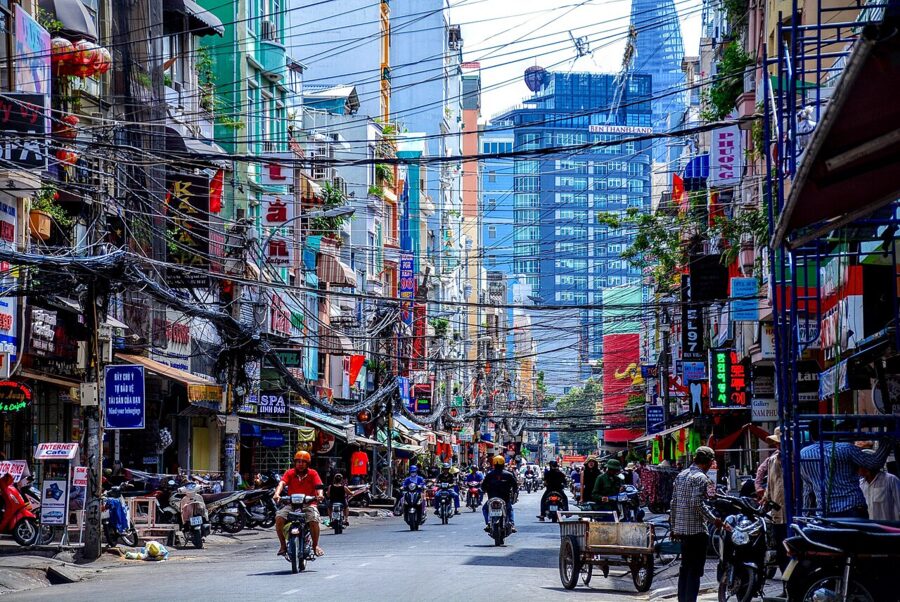
Bùi Viện is the loudest of four streets that make up the backpacker quarter, known in Vietnamese as phố Tây (the Western street). Phạm Ngũ Lão, a block north, has the larger hotels and travel agents; Đề Thám has the busiest corner bars; Đỗ Quang Đẩu marks the quieter end. On Đề Thám, the Pasteur Street Craft Beer taproom (212 Đề Thám) runs one floor open to the street and an air-conditioned room upstairs, open from 11am until 1am Sunday to Thursday and until 2am on Friday and Saturday.


North across Phạm Ngũ Lão lies September 23 Park (Công viên 23 tháng 9), a long strip of lawns and trees where young Saigoners sit in groups after dark with drinks from the convenience stores.

Craft beer, cocktails and wine
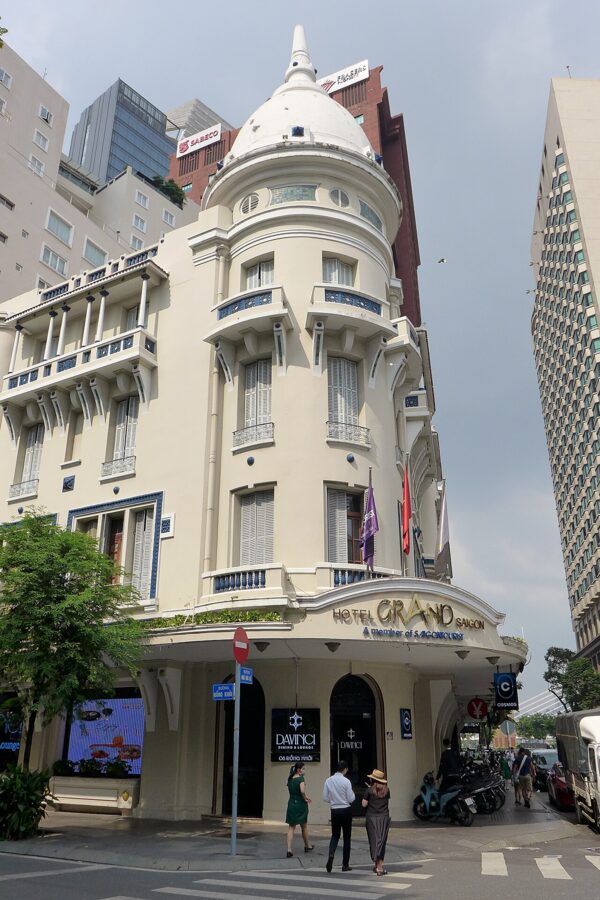
Saigon brewed almost nothing but lager until the middle of the 2010s. Pasteur Street Brewing poured its first beer in January 2015, adding Vietnamese ingredients such as jasmine and passion fruit to Western-style ales, and now runs 15 taprooms, 12 of them in the city. Its flagship is inside the Grand Hotel Saigon (8 Ngô Đức Kế, Sài Gòn Ward), open daily from 11am to midnight.
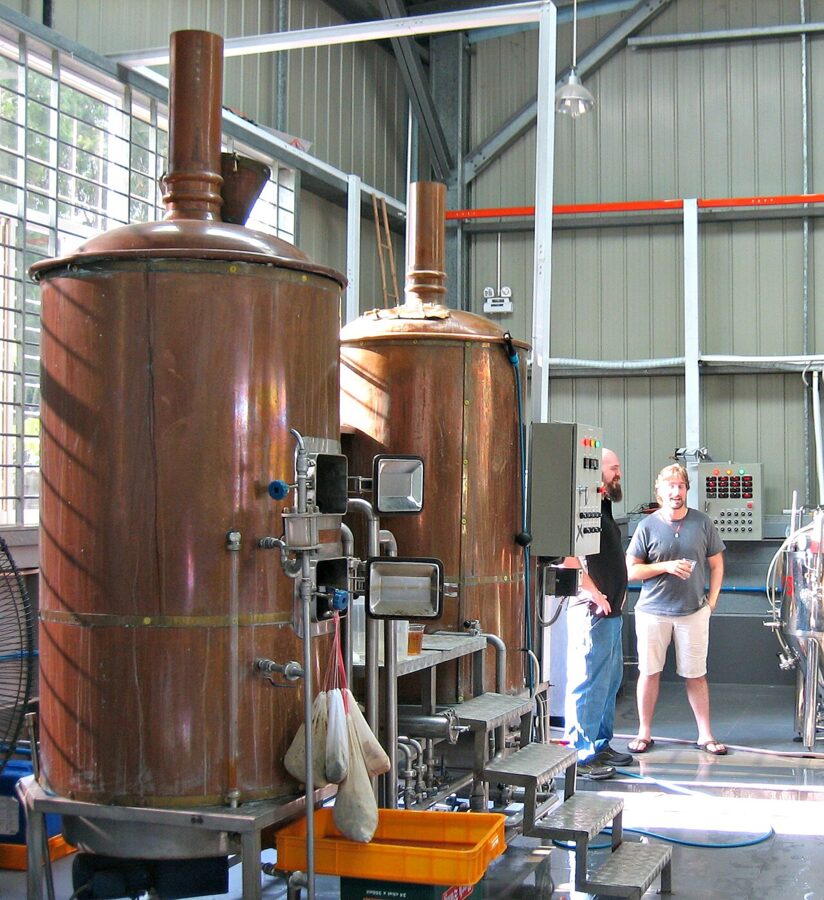

Heart of Darkness, which has brewed since 2016, keeps its taproom at 31D Lý Tự Trọng, close to the center’s main club street. East West Brewing, another of the early craft producers, sells its beers in bars across the city. A pint of local craft costs several times a bottle of Saigon Special.

Cocktail bars
The cocktail scene moves fast, so these are bars that a Saigon food and drink magazine profiled in August 2026, with the hours it published. Nê Saigon (109 Lê Thánh Tôn, daily 6:30pm to 1:30am) is the southern branch of the Hanoi team behind the phở cocktail, still on the menu beside drinks built on stock and umami. House of Irori (17/3 Nguyễn Thị Minh Khai, down an alley; Tuesday to Sunday from 5:30pm) is a Japanese whisky bar around a sunken hearth, with a bartender who plays the piano.
For music with the drink, CUR8 (49 Phó Đức Chính, Bến Thành Ward) is a vinyl café by day and a listening bar by night, with DJs upstairs and records you can request off the wall. It sits on the same street as the Fine Art Museum of Ho Chi Minh City and closes at 10pm Sunday to Wednesday and 11pm Thursday to Saturday. Éire (149 Tôn Thất Đạm, daily from 5pm) pours draft Guinness with a guitarist working the room.

Wine has its own neighborhood across the river. In An Khánh, the old Thảo Điền area of Thủ Đức, Tí Nỵ (61 Nguyễn Bá Huân, Wednesday to Sunday from 6pm) pours mostly French natural and biodynamic wine from 150,000₫ (about US$5.70) a glass, with small plates of sashimi, ceviche and grilled mackerel.
Live music, phòng trà and a night at the theater
Saigon’s own night music is neither jazz nor rock but the phòng trà, literally a “tea room”: a small concert hall with tables, where a string of singers perform ballads and pre-1975 songs, and the star comes on after ten. Some rooms fold a drink into the cover charge, some add it on, and the audience is Vietnamese and dressed up. Nobody minds a foreigner who sits quietly, but the songs are the point, so knowing a little Trịnh Công Sơn goes a long way.


Acoustic cafés are the cheaper cousin: a coffee shop by day that puts out a stool and a microphone at night, often down a District 3 alley, where students sing covers and their own songs. You pay for your drink, slightly above the daytime price. Programs are posted on the cafés’ own social pages.
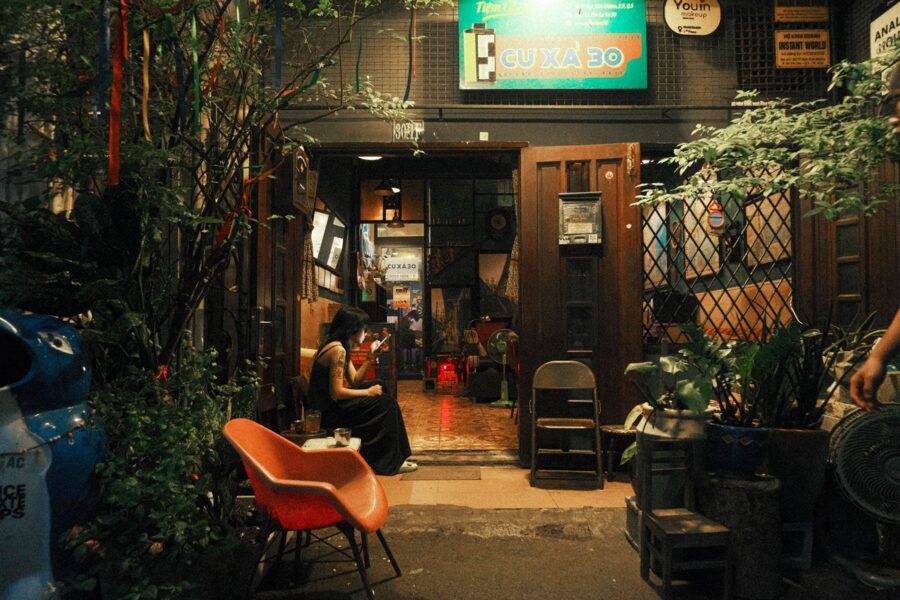
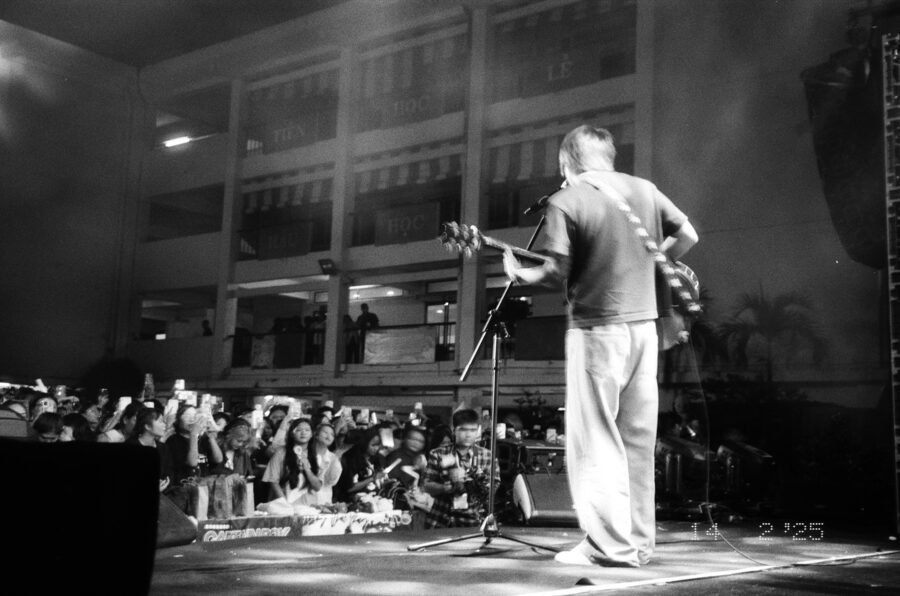
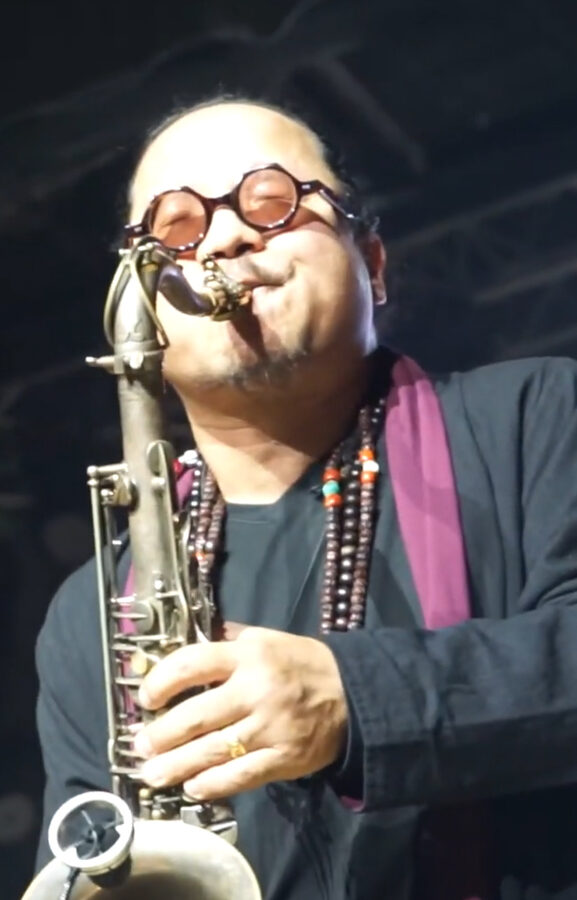
Jazz in Saigon has long been tied to one name: the saxophonist Trần Mạnh Tuấn, who for years led the Sax n’ Art club on Lê Lợi and has long played Trịnh Công Sơn’s songs in concert. For a band with your cocktail, the hotel rooftops are the reliable choice: Saigon Saigon’s band plays every night, and House of Irori’s bartender takes to the piano.

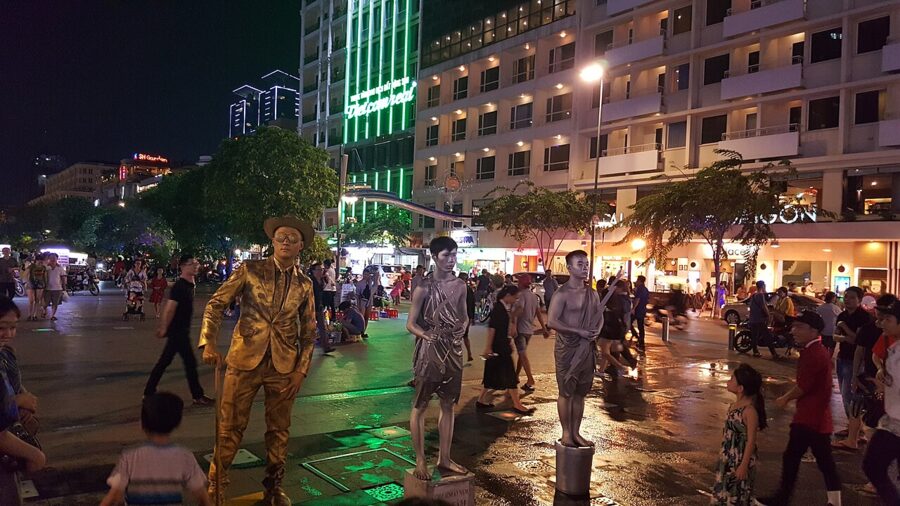
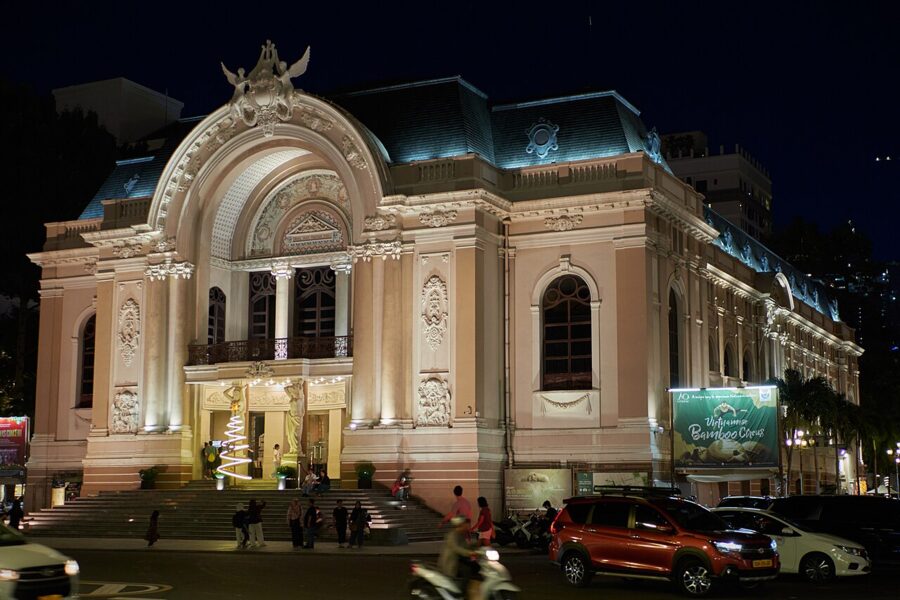
Down at street level, the Nguyễn Huệ walking street fills on weekend evenings with buskers, dance crews and families, and costs nothing at all. For a seated show, the Municipal Theatre on Lam Sơn Square stages the A O Show, a bamboo circus about southern village life, as well as ballet and the city symphony. It is a short walk from the Caravelle and the Rex, so a show and a rooftop drink fit into one evening; check the theater’s calendar and book a day or two ahead.
Clubs: the main names and how the door works
Saigon clubbing falls into two camps. Vietnamese clubs play vinahouse, a hard, fast local strain of house music, at standing tables where groups order bottles that arrive with sparklers and fruit platters. Clubs aimed at expats and tourists play hip-hop, chart music and EDM, and keep a dance floor. A smaller underground scene of house and techno runs out of a few rooms that open late and finish later.
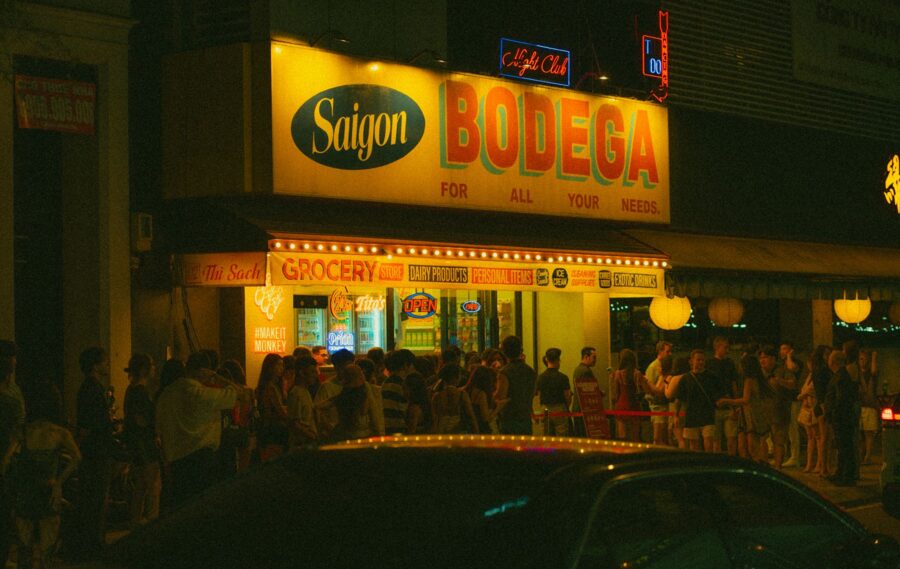
A guide published in January 2026 listed these among the main clubs, with the hours below. Lush (2 Lý Tự Trọng) plays hip-hop, R&B and EDM from 9pm to 5am, closed Mondays, with a ladies’ night on Tuesday. Apocalypse Now (on Thi Sách) is one of the city’s longest-running clubs, two floors of classic hits, rock and pop from 8pm to 3am, with a pool table upstairs. A few doors away, Bodega Saigon (2 Thi Sách) is a late bar that opens at 10:30pm behind a front dressed as a New York corner shop.

For electronic music, The Observatory (85 Cách Mạng Tháng Tám, Bến Thành Ward) is the long-standing home of underground house and techno, open Wednesday to Sunday from 4pm, with a dance room that runs past midnight on weekends and cocktails at 150,000 to 200,000₫. At 41–43 Nam Kỳ Khởi Nghĩa, Bam opens at 8:30pm, and Arcan, listed on the building’s second floor, runs dark techno and experimental sets from 10pm. For vinahouse, Canalis (264 Nam Kỳ Khởi Nghĩa, Xuân Hòa Ward) runs from 8:30pm to 3:30am.
Covers, tables and the door
Most Saigon clubs make their money on tables and bottles rather than at the door, and the January 2026 listing did not give a cover charge for any of the ten clubs it covered. When a club does charge entry, it is usually for a named guest DJ announced on its social pages, so check there on the day. A standing table at a vinahouse club comes with a minimum spend set for the night; ask before you sit.
Door policy is about dress and age. Clubs serve over-18s only and some will check a passport; a photo of the passport usually satisfies them, but not always. Shorts and flip-flops are the quickest way to be turned around at the tourist clubs in the center.

Staying safe and getting home
Violent crime against visitors is rare in Saigon; phone theft is not. The commonest crime is snatch theft from a passing motorbike: a phone held out to photograph the street, a bag on the traffic side of the sidewalk, a necklace. Keep your phone in your hand only away from the curb, carry a bag across your body on the side away from the road, and step back from the edge when you check a map.
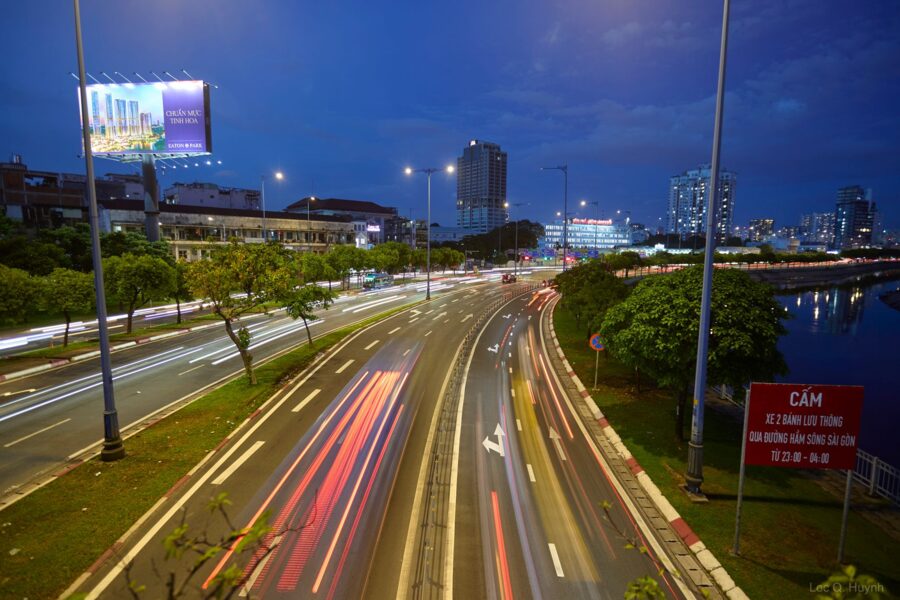
Scams are small and familiar. A friendly stranger who knows a good bar, a drinks bill with extra lines on it, a massage with a surprise price at the end: all of them are avoided by sitting where prices are printed and checking the bill line by line. Watch your glass, refuse drinks from people you have just met, and leave with the friends you came with. The usual dos and don’ts of Vietnam apply after dark as well, including keeping your temper in any argument over a bill.
Some things that look tolerated are not. The laughing-gas balloons sold on Bùi Viện have been the target of police crackdowns; drug laws are severe; and e-cigarettes and heated tobacco have been banned in Vietnam since 1 January 2025, so leave the vape at home. Prostitution is illegal, and the hostess bars with women waving from the doorway are where bills grow fastest.
Drink-driving: zero means zero
Vietnam allows no alcohol at all in the blood or breath of anyone driving a motor vehicle, and that includes rented motorbikes and electric scooters. Under Decree 168 of 2024, in force since 1 January 2025 and confirmed unchanged by the traffic police in 2026, fines for motorbike riders go up to 10 million dong (about US$380) and for car drivers up to 40 million (about US$1,500), with licence points deducted or the licence suspended. Police run breath checkpoints at night, especially in the run-up to the New Year. If you rented a bike for the day, leave it at the hotel before your first drink.
Getting home
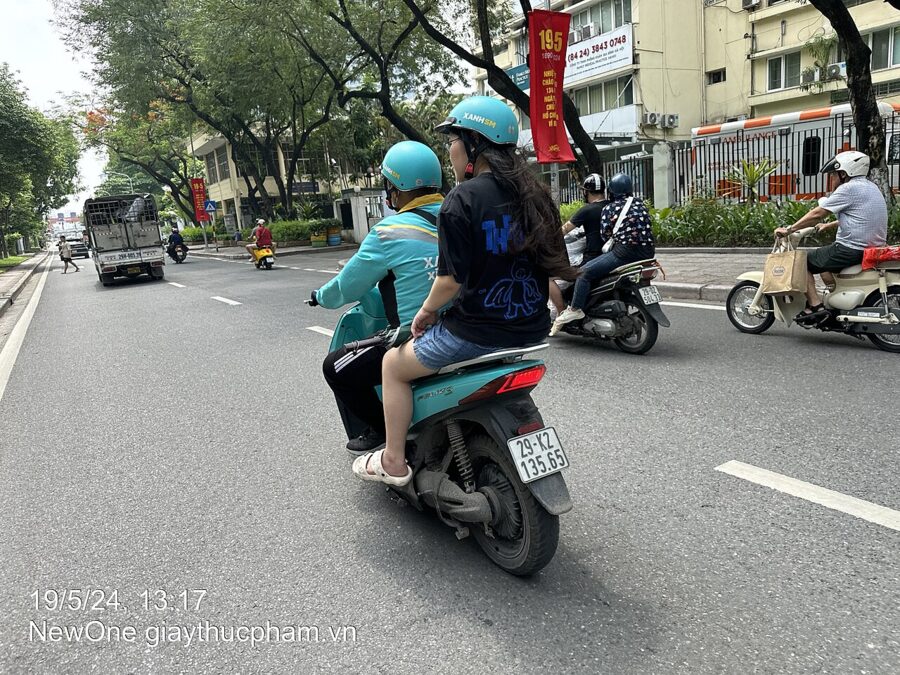
Ride-hailing apps are how Saigon gets home. Grab and Be run cars and motorbike taxis all night, and Xanh SM runs electric taxis and bike taxis in green and cyan; all show the fare before you book. On Bùi Viện’s pedestrian nights, drivers cannot reach you inside the closed section, so set your pickup on Phạm Ngũ Lão or Trần Hưng Đạo and walk out to meet them. Skip the meter taxis that wait at the ends of the street.
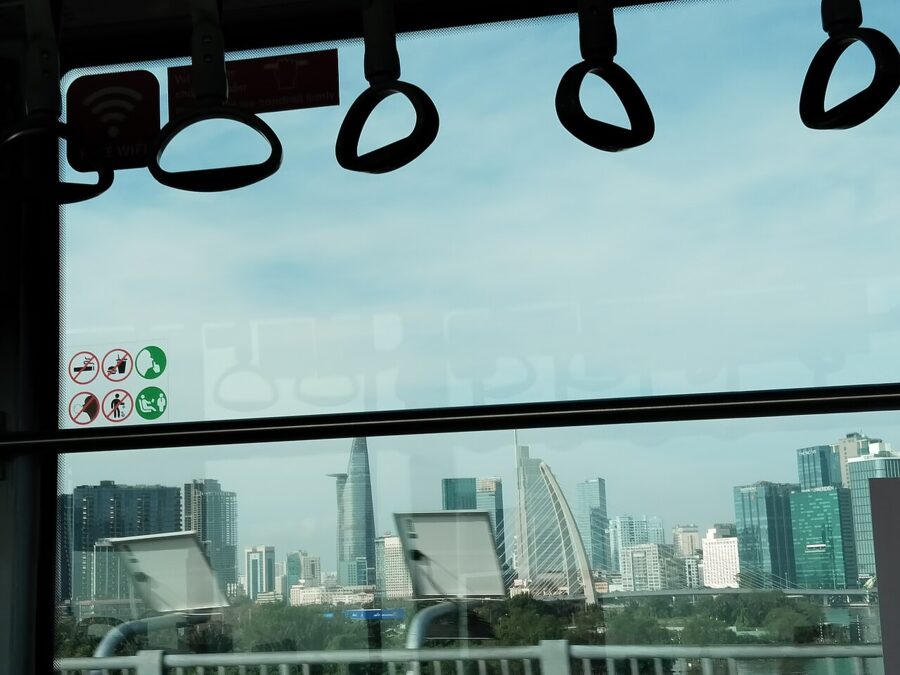
Metro Line 1 opened in December 2024 and since August 2025 has run an hour later on weekends; fares are 7,000 to 20,000₫ (about US$0.30 to US$0.75). Check the last departure on the station board, because hours are extended on holidays. Tân Sơn Nhất airport is 25 to 50 minutes away by road; getting to Ho Chi Minh City has the transfer options if your flight follows a late night.
In an emergency, call 113 for the police and 115 for an ambulance. If someone is hurt, a Grab car to one of the international hospitals in Ho Chi Minh City is often faster than waiting. And when the night ends hungry, the broken-rice stalls that open before dawn are the city’s real last stop.
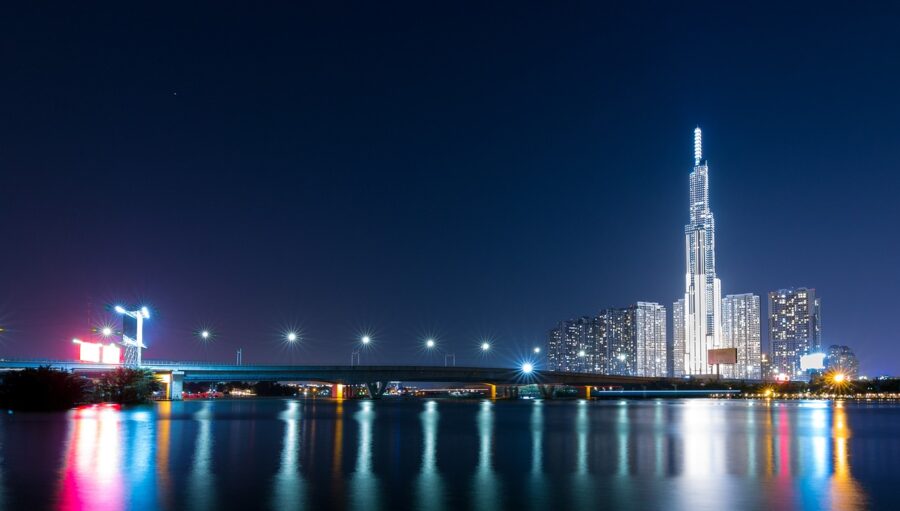
If you only have one night, start at the Caravelle at a quarter to six, when the trolley comes round and the band is still tuning. Walk down Lê Lợi to Bùi Viện when you want noise, find a plastic stool when you want food, and book the ride home from a corner where the car can reach you.