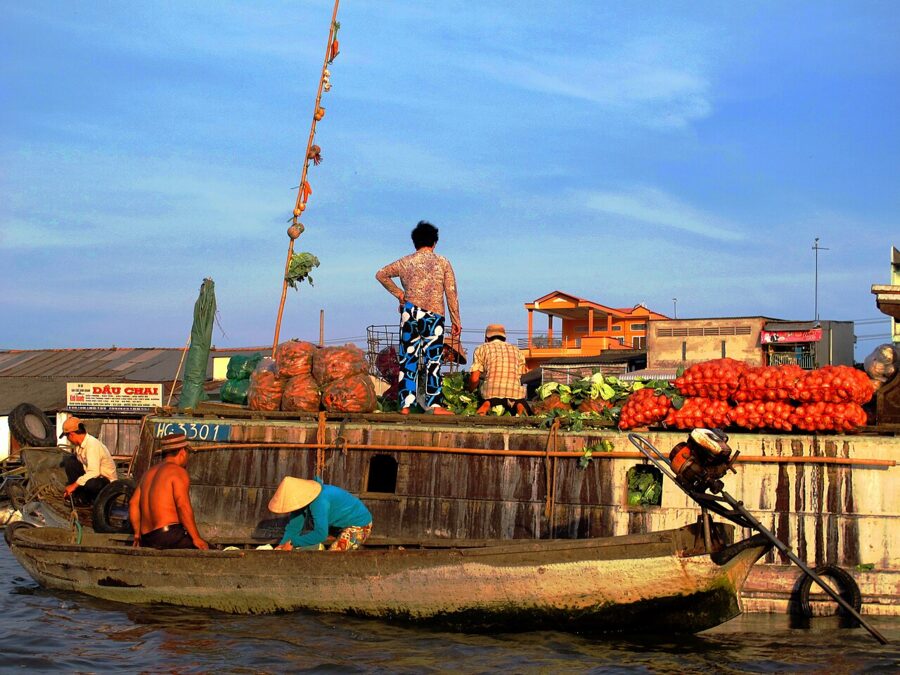
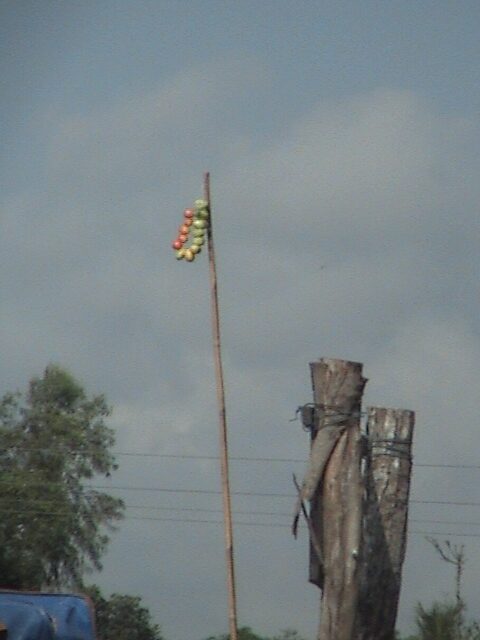
At a quarter to six on the Cần Thơ River, the first thing you see of the Cái Răng floating market is not a boat but a pole. It stands at the bow of a wooden barge, three or four meters of bamboo with a sweet potato, a cabbage and a pineapple tied near the top. Below it, a woman in pajamas is brushing her teeth over the side, and a sampan selling iced coffee is already working the gap between the hulls.
That pole is the reason most people make the trip from Saigon to Cần Thơ, the largest city of the Mekong Delta and, since July 2025, a city-province of more than four million people that stretches all the way to the sea. The market it belongs to, Cái Răng (Chợ nổi Cái Răng), was listed as part of Vietnam’s national intangible heritage in 2016.
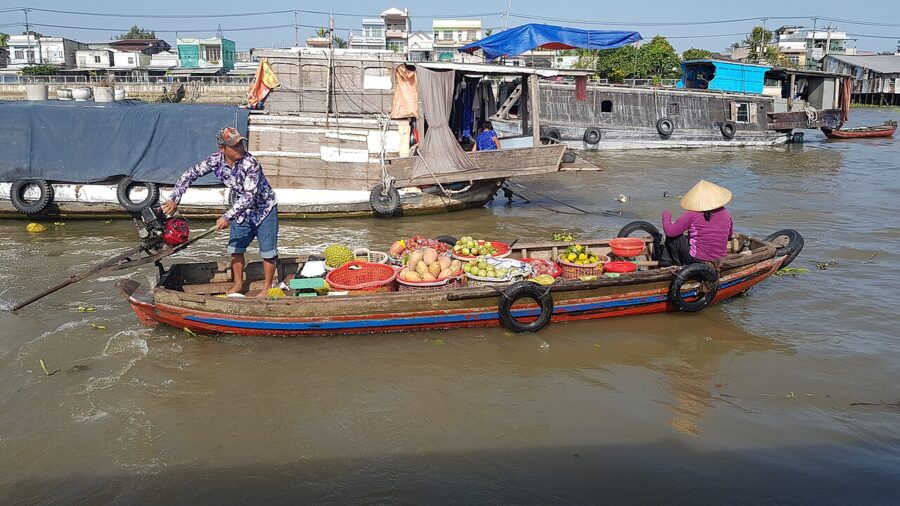

It is also a market that has lost most of its boats. Hundreds once filled the river below the Cái Răng bridge; on a weekday morning now you may count a few dozen. Go knowing that, at the right hour, and it still repays the 5am alarm. Then stay for the rest: a riverfront city with a Cantonese temple, a French-era market hall, a family mansion that starred in a film, and orchard country laced with canals a short ride away.

On this page
The delta in one picture
The Mekong crosses the Cambodian border into Vietnam as two rivers. The northern branch is the Tiền; the southern one, wider and slower, is the Hậu, which the Khmer and the French called the Bassac. Between them and beyond them lies a plain of silt so flat that most of it sits less than a meter above the sea, and the Vietnamese name for the whole system, Cửu Long, the Nine Dragons, counts the mouths it once had.
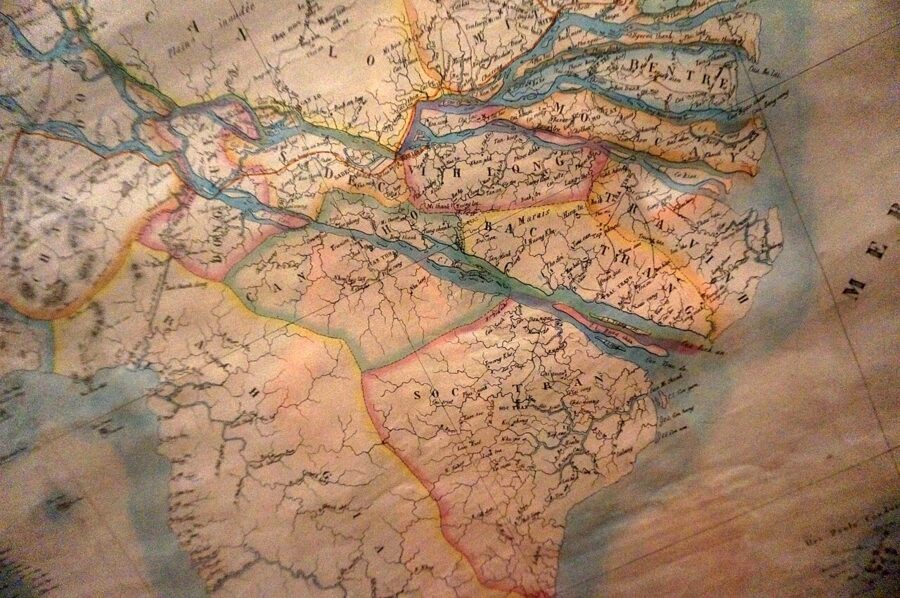
Cần Thơ sits on the right bank of the Hậu, where the small Cần Thơ River runs into it. The tide reaches this far inland, twice a day, so the water at Ninh Kiều wharf rises and falls by the hour, and boatmen still talk about going out on the ebb or the flood. From August the river itself swells with rain from upstream, spilling into the fields of An Giang and Đồng Tháp and pushing the water table up under every house in the city.
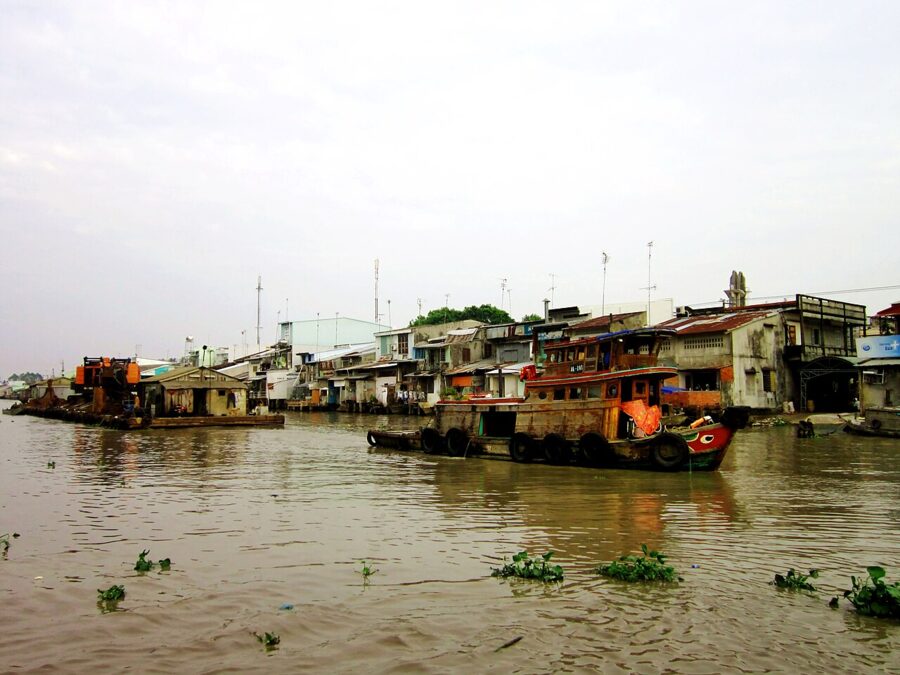
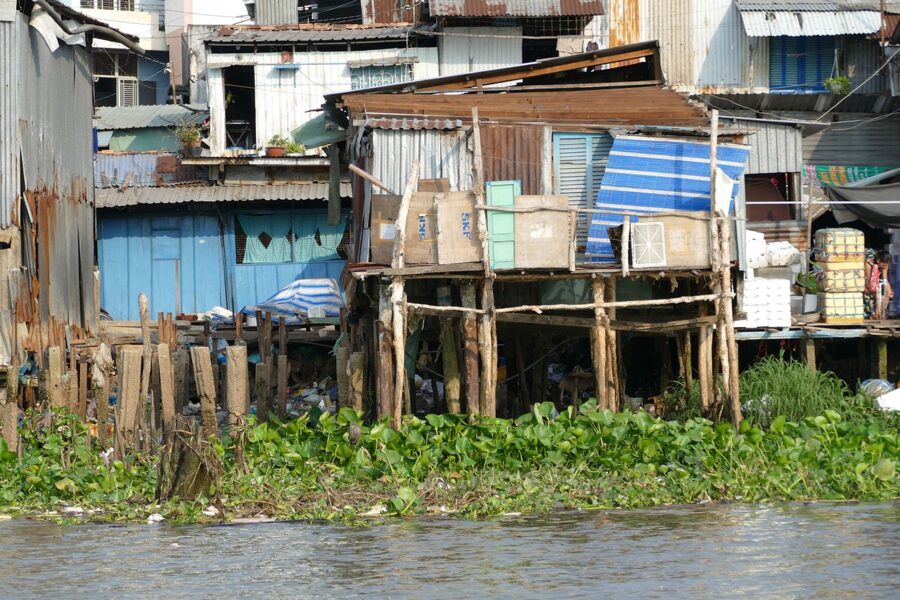
People here have always built toward the water. Houses face the canal rather than the road, the boat is the family van, and the oldest addresses in the countryside are a creek and a bend, not a street number. The French added straight lines: the Xà No canal, cut by steam dredgers between 1901 and 1903, runs some 40 km from Cần Thơ toward the Gulf of Thailand and opened the swamps west of the city to rice.

Rice paid for Cần Thơ. Mạc Thiên Tứ, the lord of Hà Tiên, organized the area as Trấn Giang in 1739; the French made it the seat of a province in 1876, and by the 1900s junks loaded with delta paddy were sailing up to the mills of Chợ Lớn. The journalist Phạm Quỳnh, visiting from Hanoi in 1919, wrote that the town was clean and handsome enough to deserve the title “capital of the West”, Tây Đô. Locals still use the nickname.
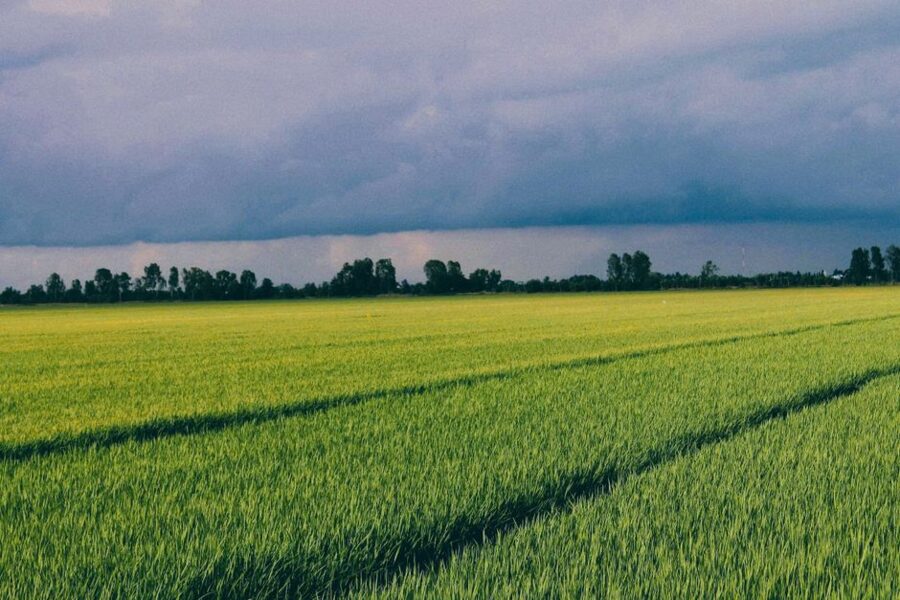
The map changed again in 2025. On 1 July, Cần Thơ absorbed the provinces of Hậu Giang and Sóc Trăng, and the old urban districts became wards: the center is now Ninh Kiều ward, and the floating market lies in what used to be Cái Răng district. Signs and drivers still use the old district names, and they are often the quickest way to explain where you want to go.
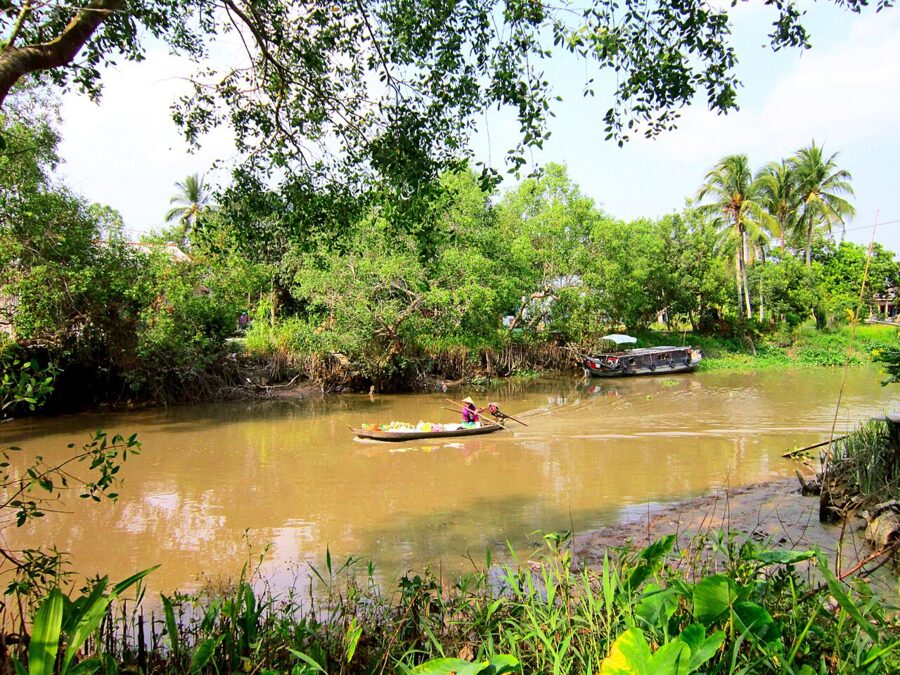

Until 2010 there was no bridge across the Hậu here at all. Everything and everyone crossed on the Cần Thơ ferry, and in the countryside a monkey bridge (cầu khỉ), a single bamboo pole with a handrail, was how children got to school. Plenty of them still stand on the back canals.
Cái Răng floating market
How the market works
Cái Răng is a wholesale market that happens to sit on water. Farmers and traders from across the delta bring boatloads of one or two crops (pineapples from Hậu Giang, watermelons, sweet potatoes, cabbages, pomelos) and anchor in the river near the Cái Răng bridge. Buyers come alongside in smaller boats, haggle, and load by the hundredweight for the land markets of Cần Thơ and beyond. The big boats can stay for days until they are empty.

The cây bẹo is the market’s grammar. Delta traders sum it up in four rules: hang what you sell; hang something you are not selling (laundry, drying on the same pole); sell without hanging (the coffee and noodle boats, which hang nothing); and hang one thing to sell another. That last one is a coconut frond tied to the pole, and it means the boat itself is for sale.
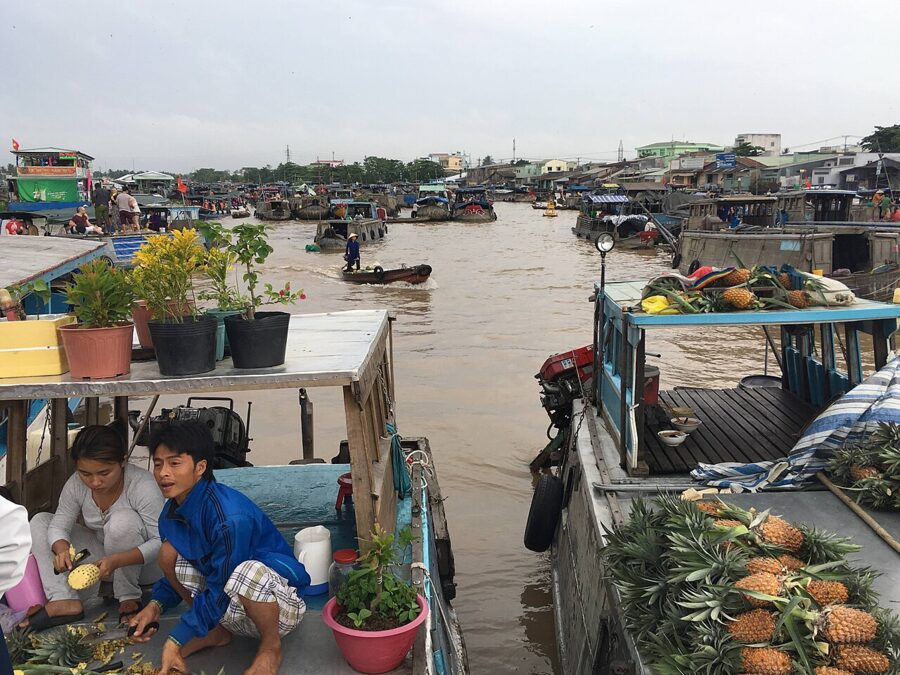
Many of these boats are homes. Families of thương hồ, the river traders, live aboard for weeks with potted plants on the cabin roof, a dog, a hammock, sometimes a motorbike parked on the deck for errands ashore. Look for the washing lines and the kitchen at the stern.

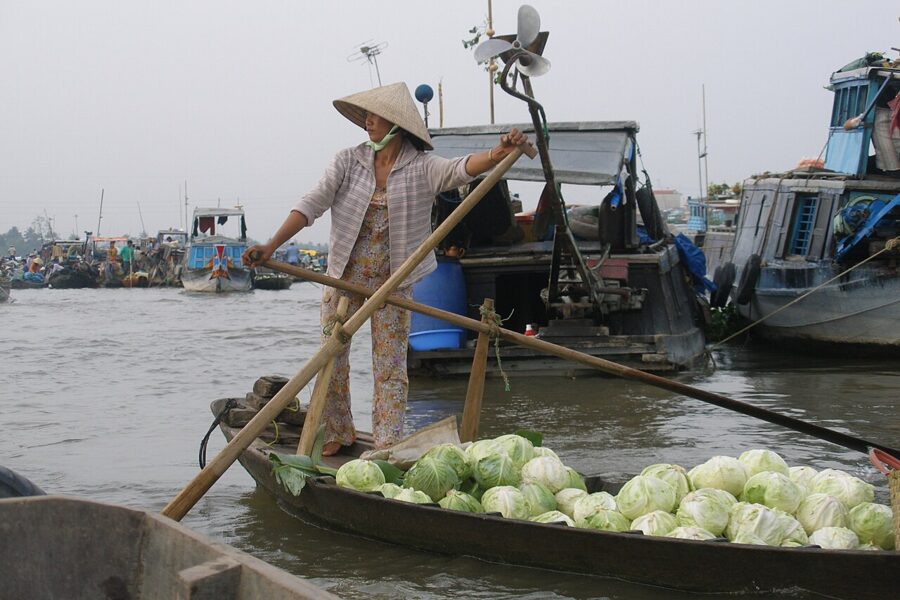
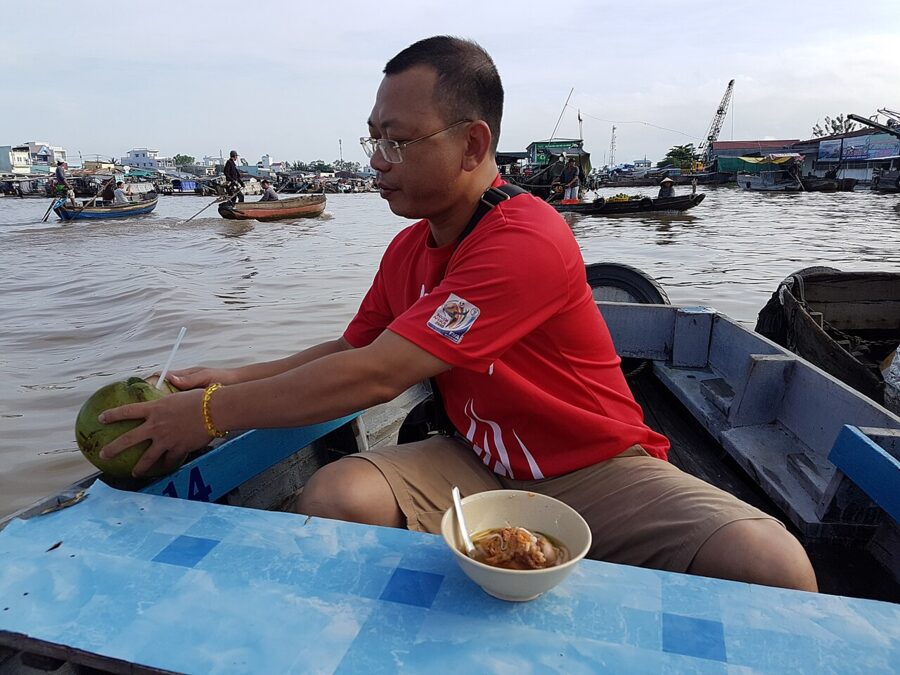
Around the barges move the small retail boats: women rowing sampans of coffee, soft drinks and coconuts, a noodle boat with a pot of broth steaming amidships, a fruit seller who will toss a pineapple up to a tourist launch. Breakfast on the water is part of the deal. Point at a bowl of hủ tiếu, and it is handed across the gap between the hulls.

The best hour
The wholesale trade starts in the dark, around 2 or 3am, and is busiest before sunrise. By the time most tourist boats arrive, between 6 and 7am, the heavy buying is winding down; after 8am the river belongs mainly to visitors photographing each other. The rule is simple: leave Ninh Kiều wharf by 5:30am, which puts you on the market for the first light.
The ride from the wharf is about 6 km upstream along the Cần Thơ River and takes 30 to 45 minutes, past the city’s back porches and boatyards. It is cool at that hour, even in April. Bring a layer, and use the wharf toilets before you leave, because the boats have none.
The market does not stop for most holidays, but it thins to almost nothing on the first two days of Tết and on Tết Đoan Ngọ, the fifth day of the fifth lunar month. In the week before Tết it does the opposite. Boats arrive loaded with watermelons and potted apricot blossom for the new year, and the river is at its fullest of the whole year.
A smaller market than the postcards
Older photographs show the boats in a line more than a kilometer long, covering two-thirds of the river. Traders remember 500 or 600 boats on a good morning. In 2016, the year of the heritage listing, the district counted about 500 that came regularly; by late 2024 its own figure was around 200, and on some weekday mornings reporters have counted far fewer.
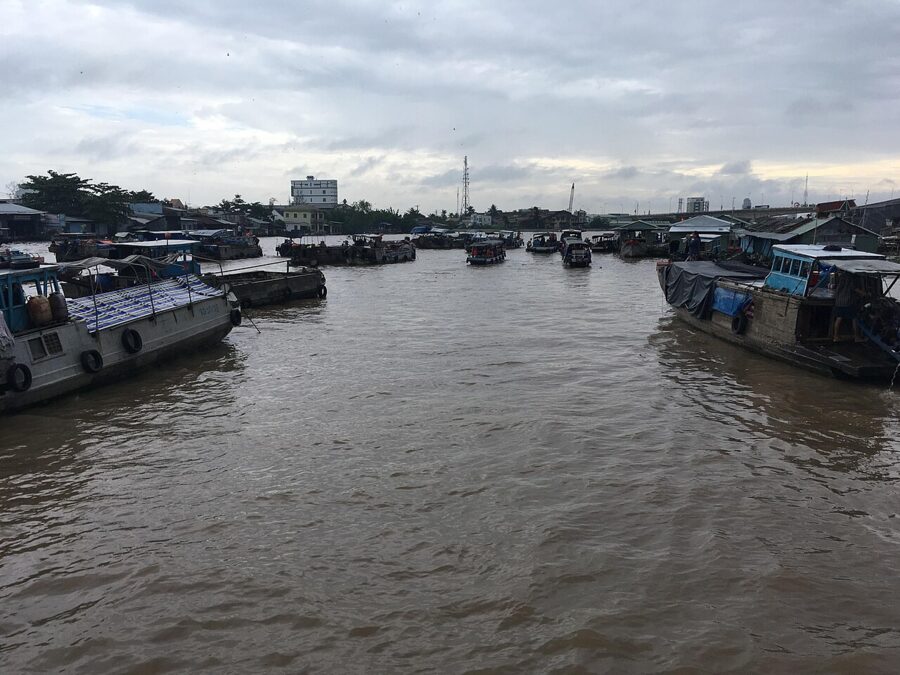

The reasons are ordinary ones. Roads and bridges now reach most farms, and a truck is faster than a boat. A new anti-erosion embankment along the river made life harder for the boats that stayed: owners told reporters that loading eight tons of produce once took two or three porters and now takes eight or nine, carried a long way up the wall. Wholesalers lost their anchorage, and the small traders who sold to them followed.
The city has tried. A preservation project approved in 2016 with a budget of 63 billion dong paid for garbage boats, moved floating rafts to legal moorings and handed out aid to boat families. In January 2026 officials talked of keeping the market going into the evening with lights under the bridges. Whether that brings the traders back is another matter; as the cultural researcher Nhâm Hùng put it, a floating market only exists while there are traders.
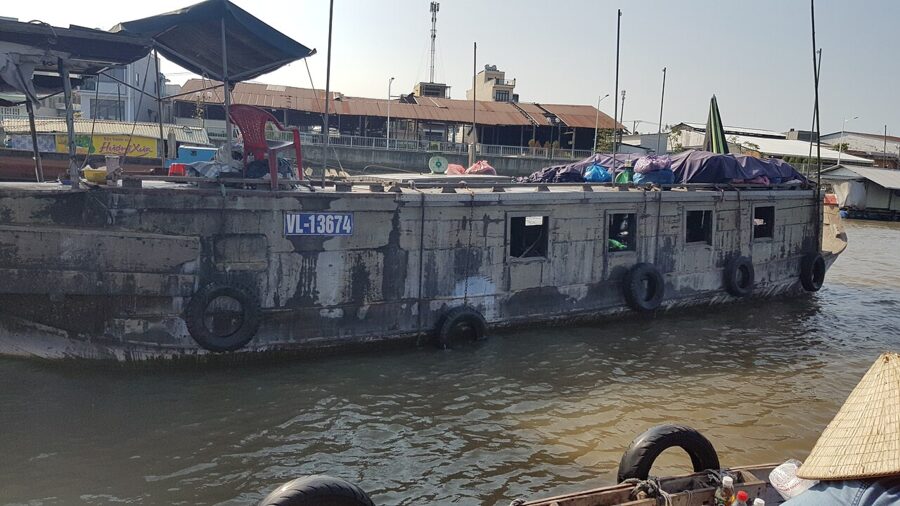

Is it still worth the trip? At dawn, yes. You will see real wholesale business, families who live on the river and a skill with boats that no museum can show. Arrive at 8:30 on a tour from Saigon and you may well wonder what the fuss was about.
Choosing a boat
Almost every boat leaves from Ninh Kiều wharf, where operators and freelance boatmen line the riverfront on Hai Bà Trưng street. In August 2026 the city’s Department of Culture, Sports and Tourism told operators at Ninh Kiều, An Bình and the other piers to post their prices and stick to them, after complaints over the Tết holiday about gouging, touts and litter. Operators’ fares that month included 100,000₫ (about US$3.80) a person for a seat on a shared boat, and 2.25 million dong (about US$86) for a private two-hull cruiser for up to 12 people on the Cái Răng run.
A small private sampan for two to four people is the best way to see the market, since it can slip between the barges where the big launches cannot. Its price is whatever you agree on the wharf the evening before, so settle the route, the hours and every stop before you pay. Ask whether a noodle workshop, an orchard or a canal loop is included; four hours is a sensible booking.
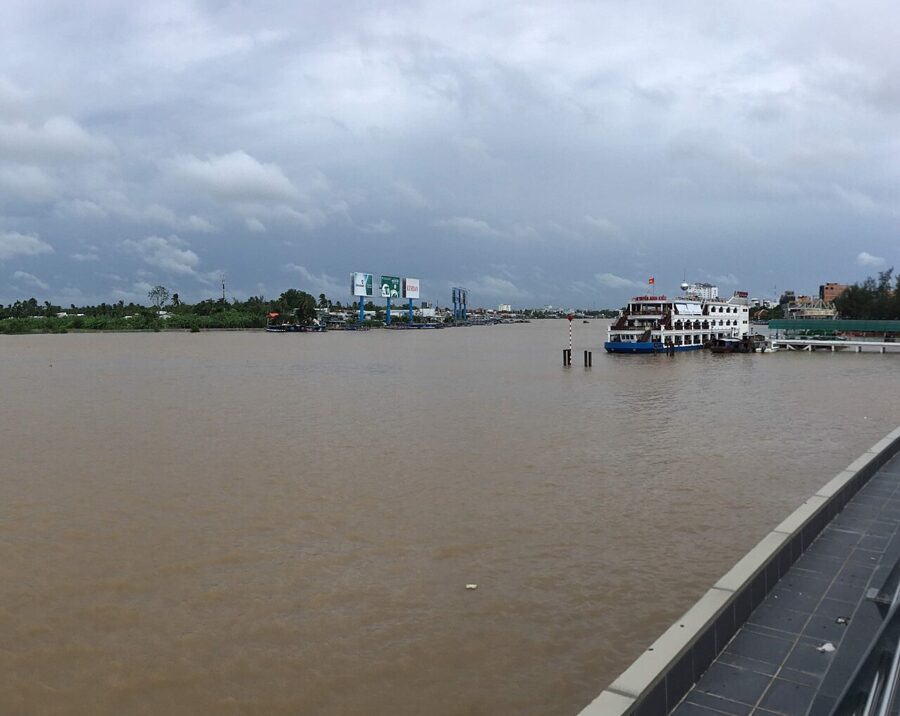

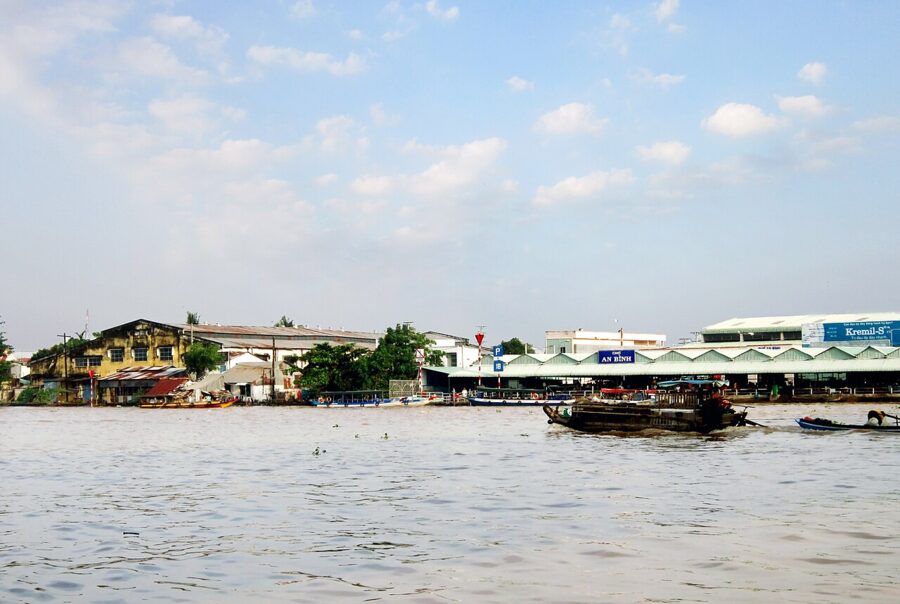
The shortcut is by road. Take a Grab or a taxi to An Bình market, near the foot of the Cái Răng bridge, and hire a boat there; you are on the market in minutes rather than half an hour. The catch is that you miss the river ride from town, which is half the pleasure. Whichever pier you use, wear the life jacket (it is compulsory) and ignore the motorbike touts who meet visitors coming down off the bridge.

Cần Thơ itself
Ninh Kiều wharf
The riverfront park at Ninh Kiều is the city’s front room. Under the French it was the Quai de Commerce, a stone-faced landing where steamers from all over the western delta tied up; locals called it the casuarina wharf, bến Hàng Dương, after the trees along it. In 1958 the province chief renamed it Ninh Kiều, after a 15th-century victory over Ming China, and the name stuck through every change of government since.
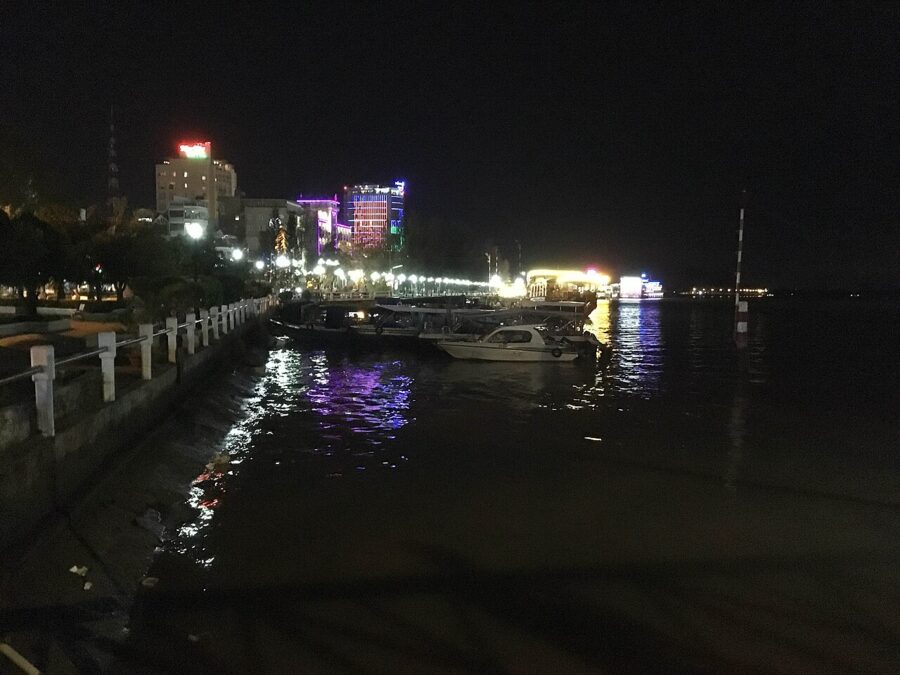
Today it is a long promenade of lawns and clipped shrubs with a 7.2-meter bronze statue of Hồ Chí Minh at its center. Come at dusk, when the heat breaks and half the city walks the waterfront. The pedestrian bridge that curls over the Khai Luông creek to Cái Khế islet opened in February 2016, just before Tết; at night its LEDs run through color programs, and it is the best place to watch the river traffic.
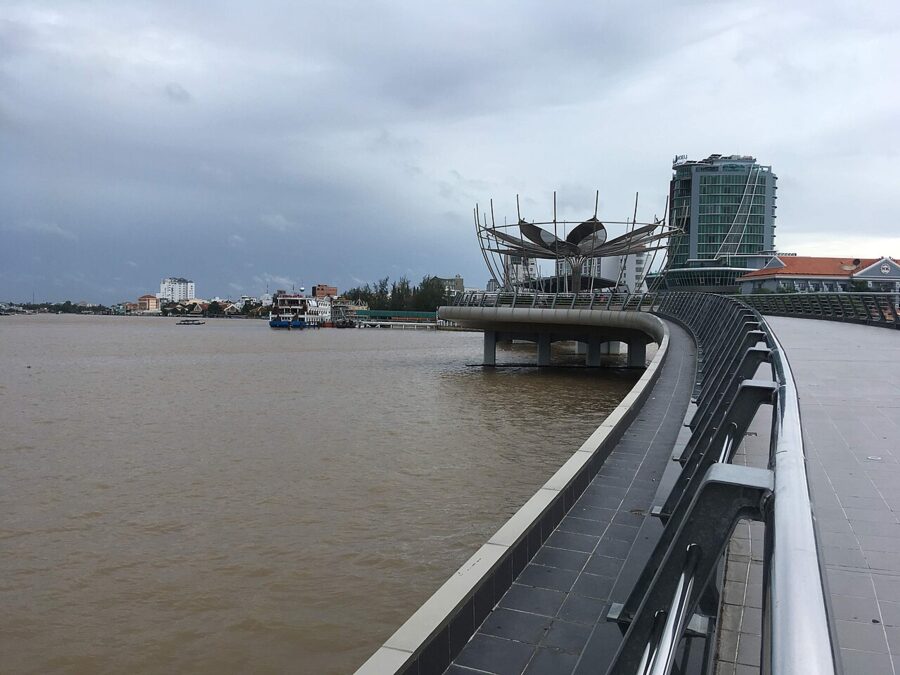

The wharf has its rough edges. Boat touts work the promenade, and after the 2026 Tết holiday visitors complained in the press of broken benches, closed toilets and litter. The ward has set aside more than 200 billion dong to rebuild the park, its embankment and the passenger landing between 2026 and 2030, so expect works in places.

The market hall
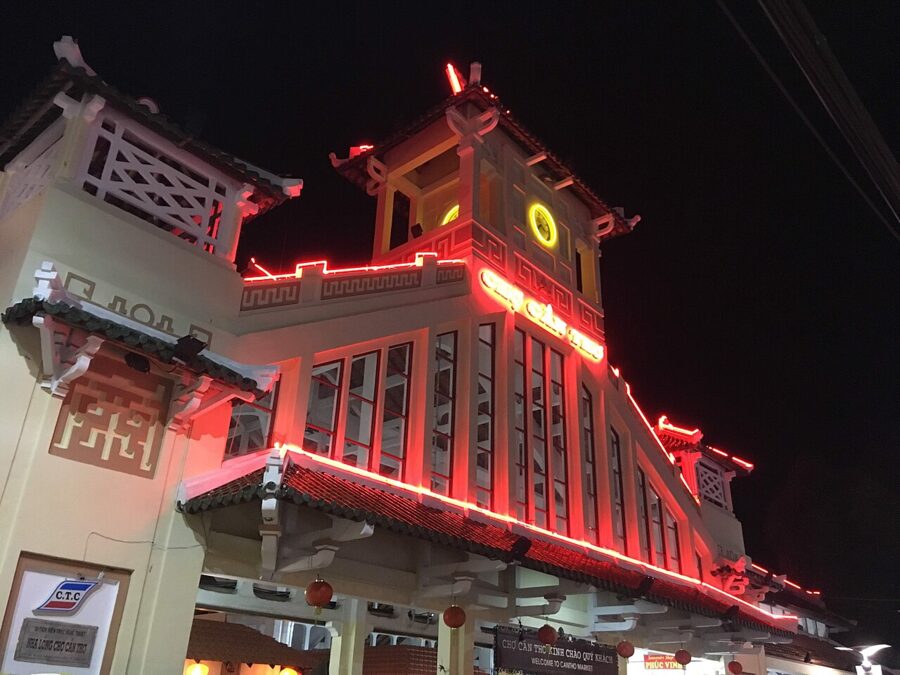
Across Hai Bà Trưng street from the wharf stands the old Cần Thơ market hall, Chợ Cổ Cần Thơ, built around 1915, in the same years as Bến Thành Market in Saigon. Its pale hall with a clock tower and tiled eaves is the image on the city’s emblem. It was restored to its old design and listed as a city heritage site in 2012.
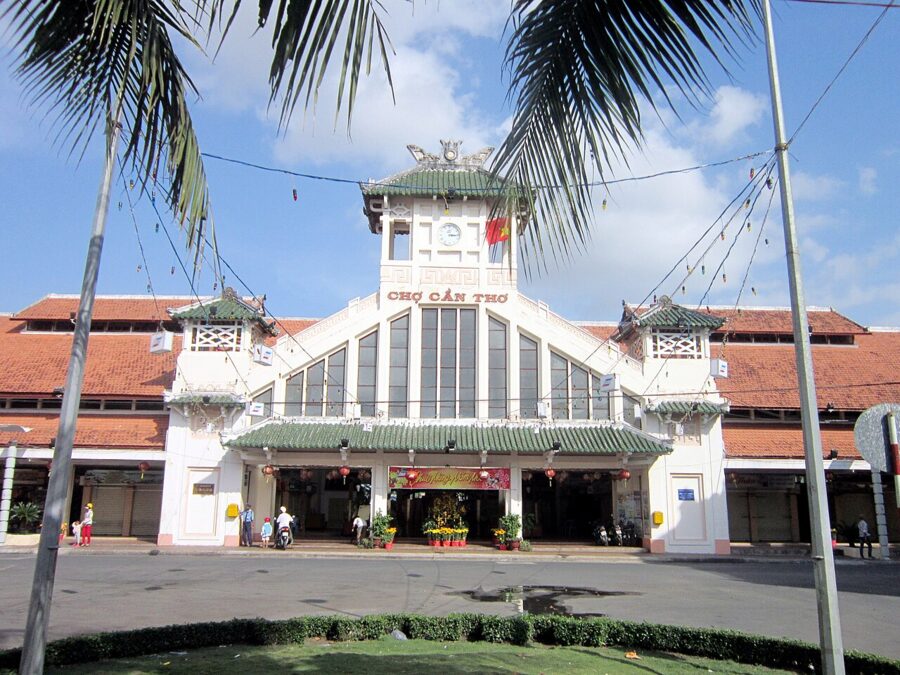

Don’t expect a working food market inside. The stalls now sell souvenirs, dried fish, candied fruit and clothes, and the building is more interesting from the riverside than from within. For a real morning market, walk inland to Tân An market or ride out to Xuân Khánh, where the delta’s produce ends up after the boats.

Ông pagoda
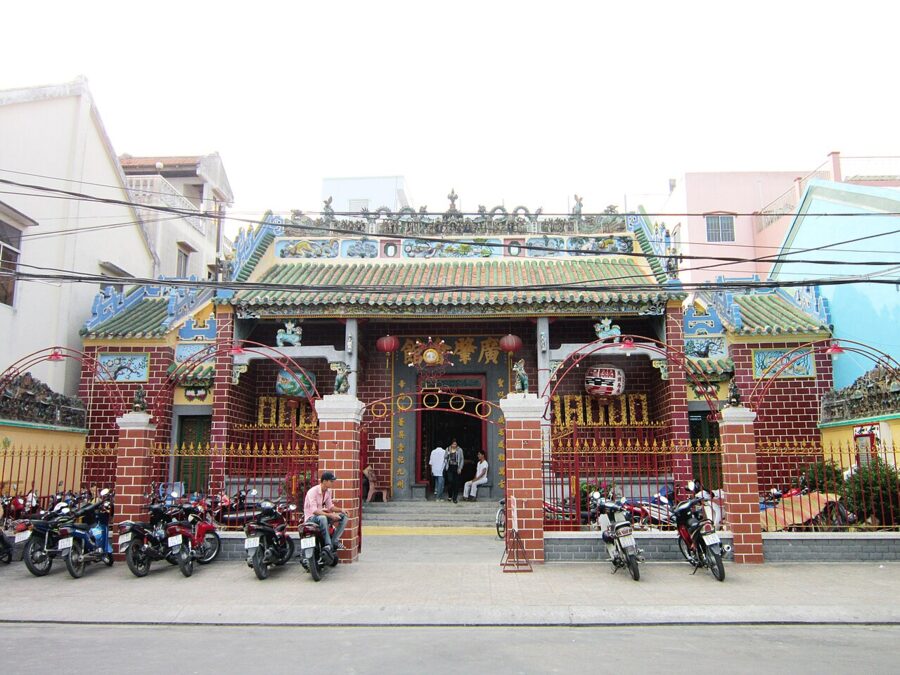
A few doors along, at 32 Hai Bà Trưng, the Ông pagoda (Chùa Ông) is the most beautiful building in central Cần Thơ, and easy to walk straight past. Its proper name is Quảng Triệu Hội Quán: the assembly hall of Cantonese families from Guangzhou and Zhaoqing, who settled along the river here from the 17th and 18th centuries. They built it between 1894 and 1896 on a plot of 532 square meters.
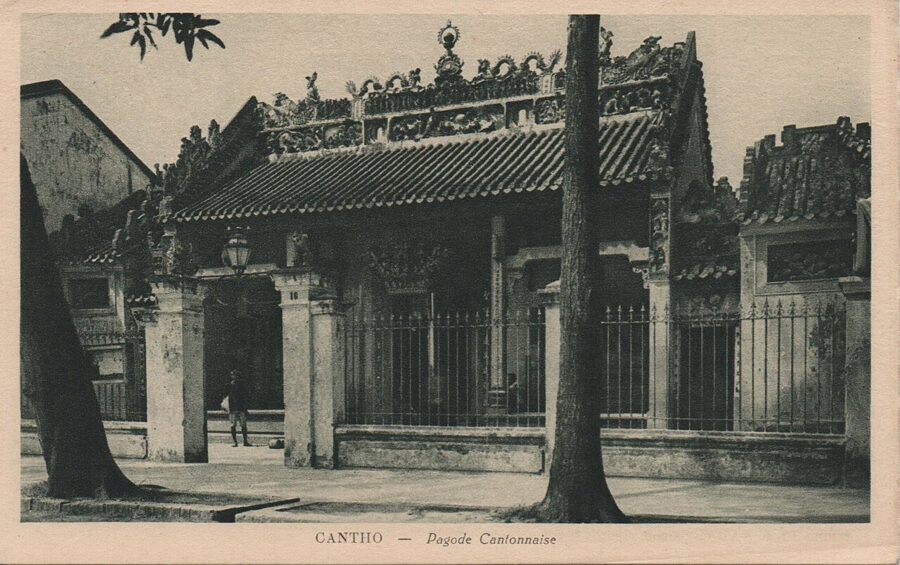
Much of it came from Guangdong by sea: the round wooden columns, the stone bases, the bronze bell, the incense burners, each dated 1896. The carved altar screens before Quan Công were made in Chợ Lớn’s craft workshops. Inside, past a covered courtyard hung with coils of incense, Quan Công (Guan Yu, the god of loyalty) holds the center of the main hall, flanked by the sea goddess Thiên Hậu and the god of wealth.
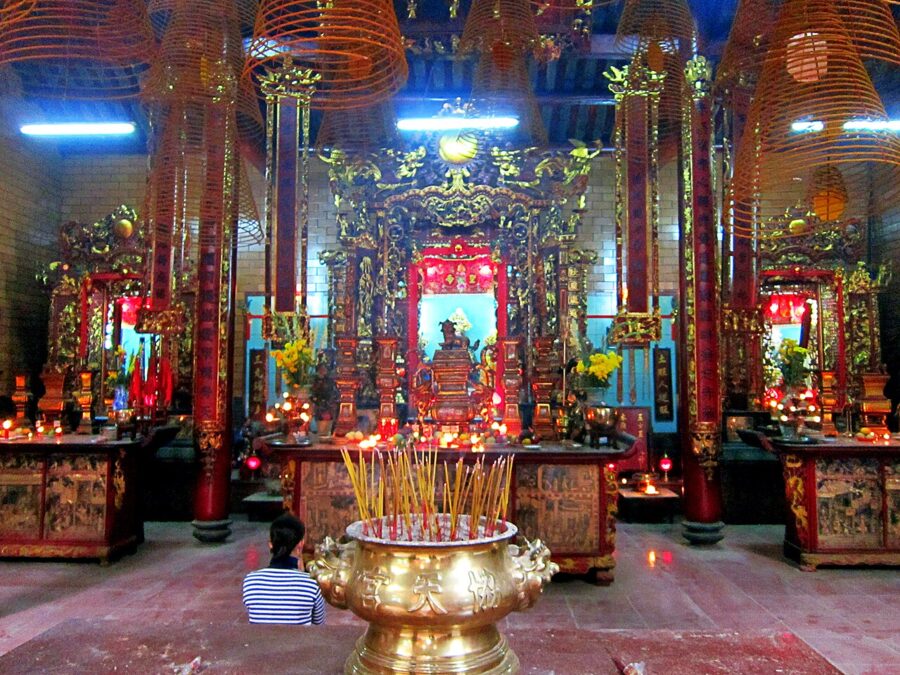

It is a working temple and a national heritage site since 1993; there is no ticket. Cover your shoulders, keep your voice down, and visit on the 24th day of the sixth lunar month if you can, when the Cantonese community celebrates Quan Công’s birthday. Allow 20 minutes, half an hour if you start reading the carvings.

Bình Thủy ancient house
About 5 km northwest of the center, at 142-144 Bùi Hữu Nghĩa street in Bình Thủy ward, stands the house of the Dương family, known to everyone as the Bình Thủy ancient house (Nhà cổ Bình Thủy). The family built their first house here in 1870. Dương Chấn Kỷ rebuilt it from 1904, and by 1911 it looked as it does now.
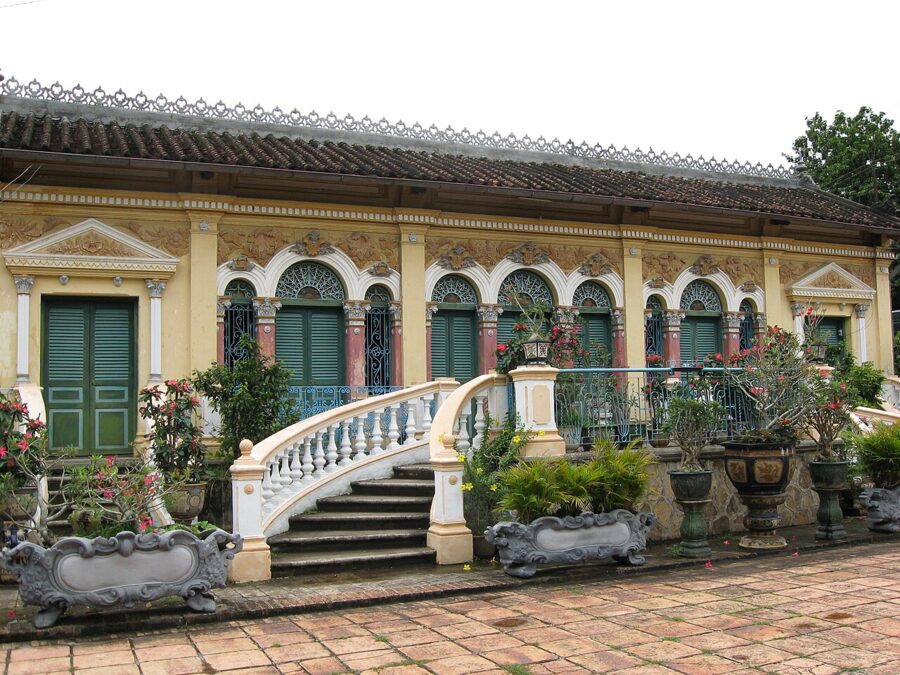
From the front it is a French villa. Inside it is a traditional five-bay Vietnamese house of carved hardwood, with an ancestral altar, mother-of-pearl furniture, imported floor tiles and old family photographs. The mix is the point: it shows how a wealthy delta family of the early 20th century wanted to look to the street and how it chose to live.
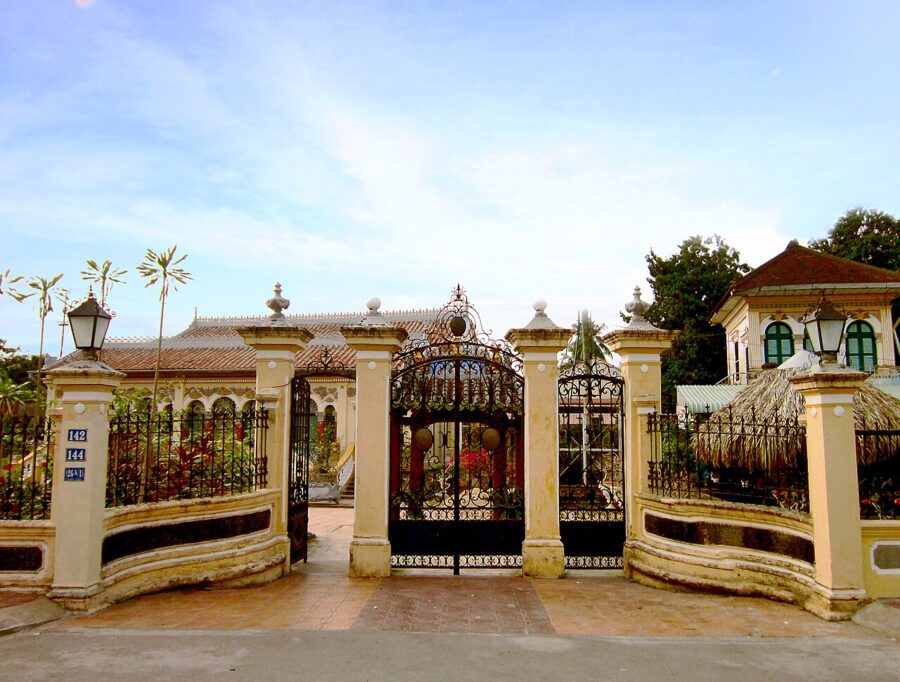

Film crews have used it more than once, most famously Jean-Jacques Annaud for The Lover (1992), set in the delta of the 1920s. It is still a family home and shrine, kept by descendants who collect a small entry fee. Hours are set by the family and change, so go in the morning and treat the rooms as the private altar they are.
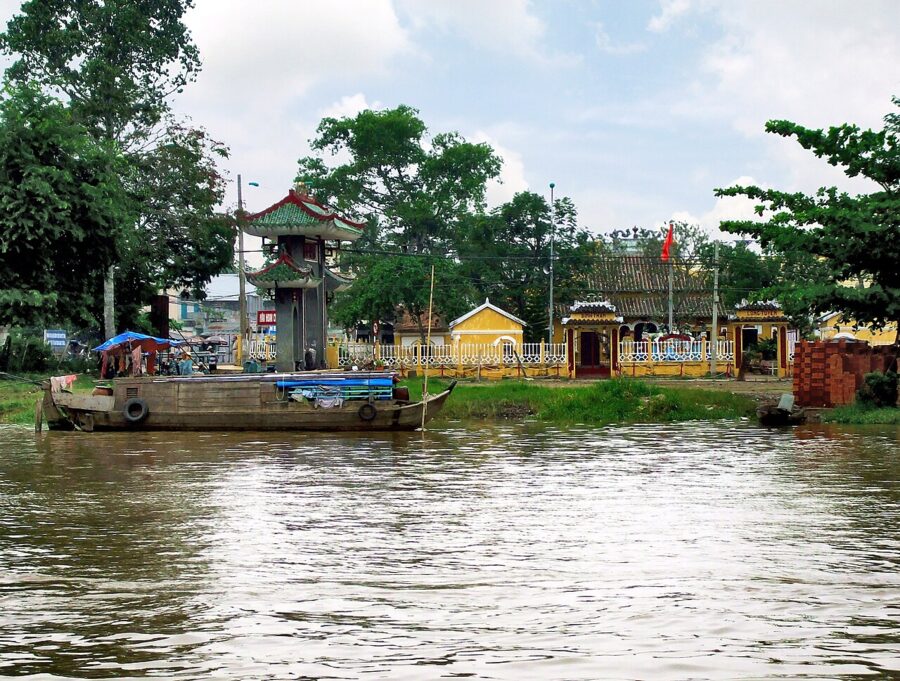
Nearby, by the Bình Thủy creek on Lê Hồng Phong street, the Bình Thủy communal house (Đình Bình Thủy) was founded in 1844 for the village’s guardian spirit. It takes its name from a storm: in 1852 the provincial governor Huỳnh Mẫn Đạt sheltered from a typhoon in the creek’s mouth and, grateful, renamed the place “peaceful water”.

After dark
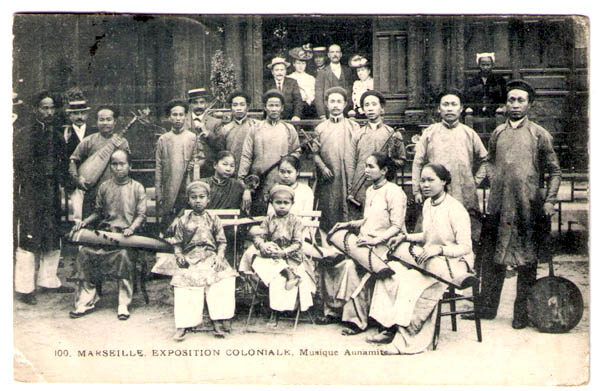
Cần Thơ’s evenings center on the river. The walking street on Hai Bà Trưng, 750 meters of it beside Ninh Kiều park, reopened in December 2025 after a six-month closure, and runs on Saturday and Sunday from 6:30pm to 10pm with food stalls and buskers. Listen out, too, for đờn ca tài tử, the southern chamber music of zither, moon lute and fiddle that grew up in the delta’s villages and was inscribed by UNESCO in 2013; local clubs play it at festivals and on some of the dinner boats.
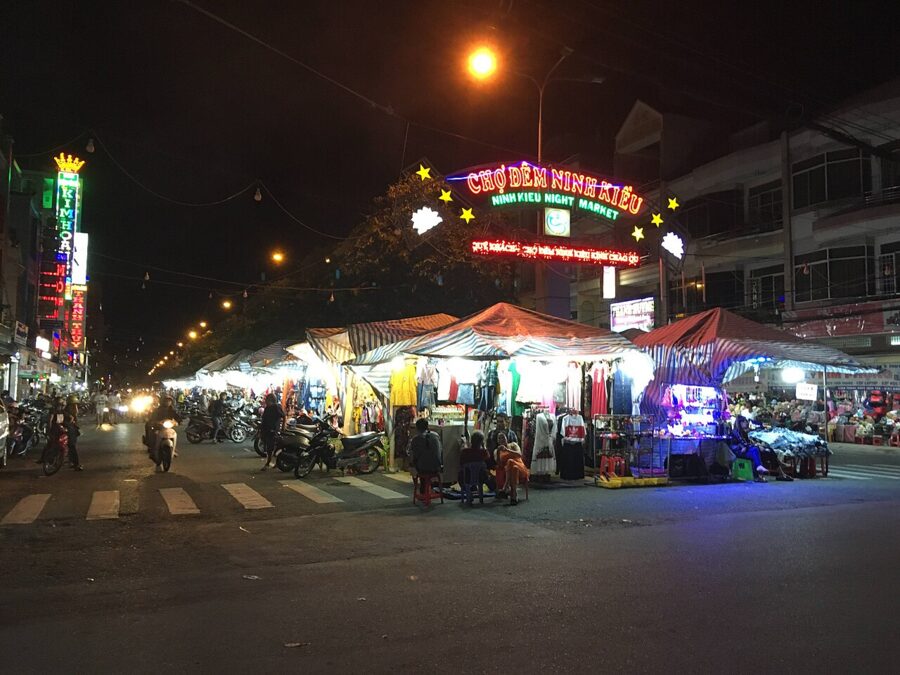
The night market in the streets behind the wharf has had a harder time. It opened in 2016, paused in 2024 and has been on and off since, so treat it as a bonus. The lit riverfront, the red-neon market hall and a plate of grilled skewers on a plastic stool are reliable every night; Cần Thơ goes to bed earlier than Saigon, and by 10pm most of it is shut.

Orchards, canals and villages
Southwest of the city, along the Cần Thơ River and the Vòng Cung road, Phong Điền is the city’s orchard country. This is miệt vườn, garden land: raised beds of fruit trees between ditches, so every orchard is half water. Mangosteen, durian, rambutan, longan and the sour little dâu Hạ Châu that Phong Điền is known for ripen in the summer months.
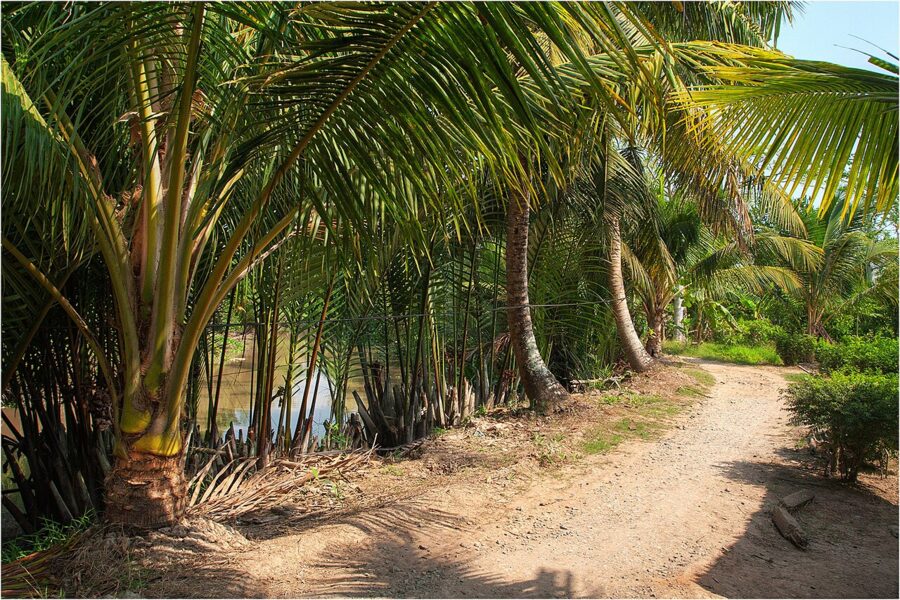

Phong Điền also has a floating market, about 17 km from the center at a river junction, and it was once the more varied of the two: besides fruit it sold fishing nets, baskets, roofing leaves, knives and boats. It has shrunk even further than Cái Răng. Some recent guides describe a dozen or two boats on a good morning, others say it has all but stopped, and none of the official sources settle it.
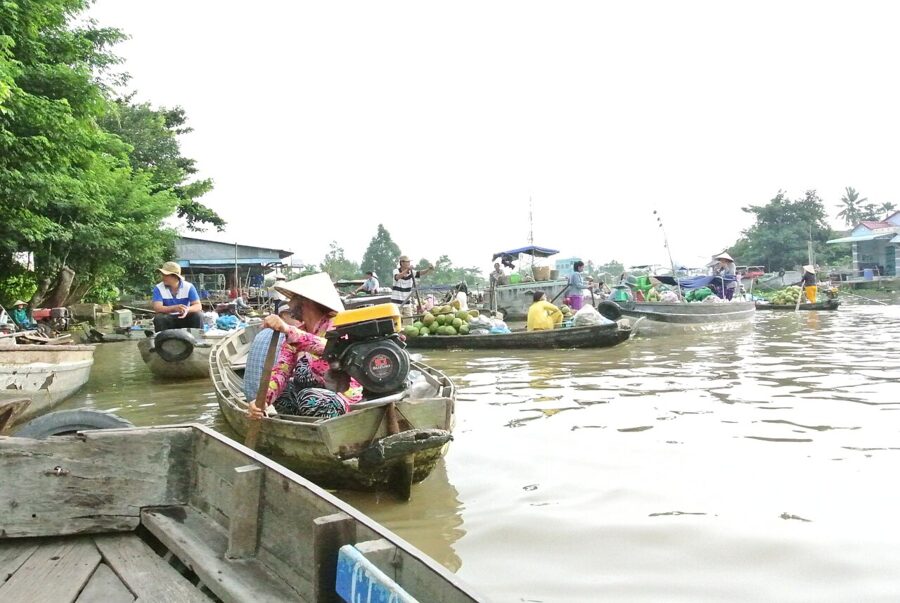

The orchards themselves are the reason to come. Many boat trips from Ninh Kiều continue past Cái Răng into the small canals, stop at a garden to eat fruit under the trees, and return by about 11am. In Phong Điền a temple remembers Phan Văn Trị (1830-1910), the scholar-poet who answered the collaborators of the French conquest in verse.
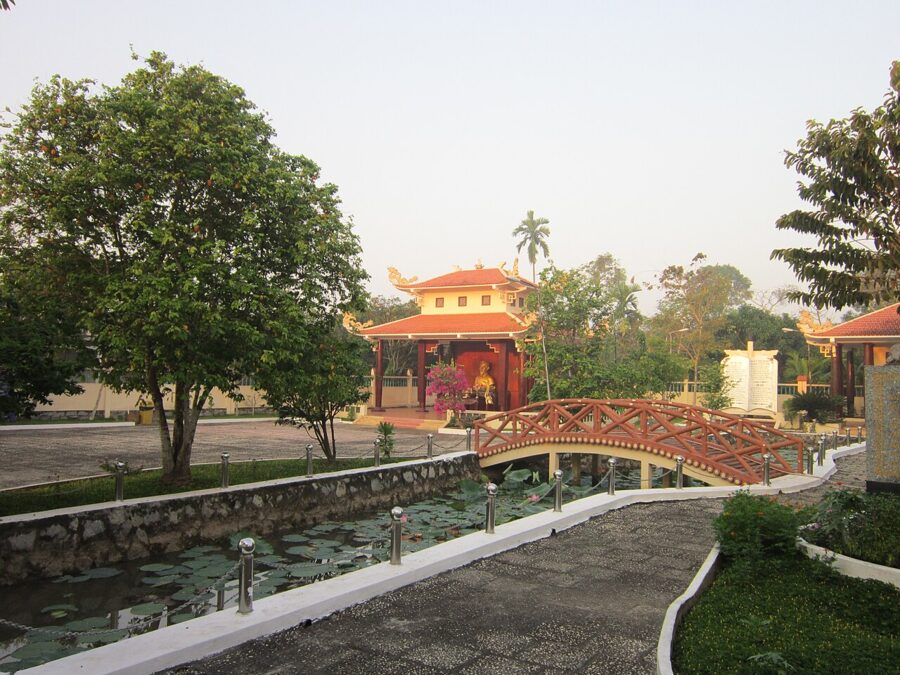

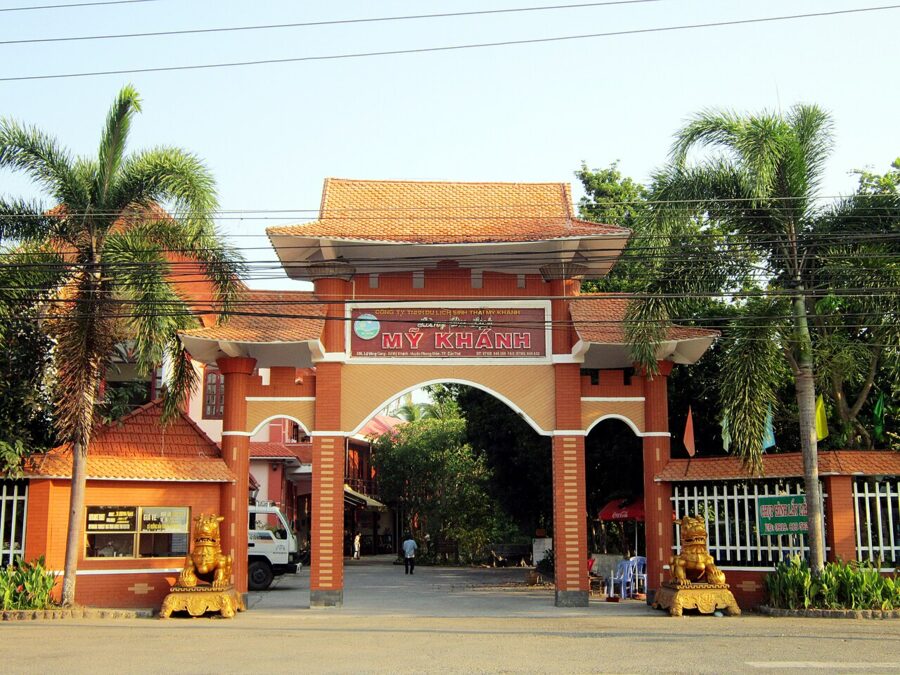
The Mỹ Khánh tourist village (Khu du lịch Mỹ Khánh) on the Vòng Cung road is the packaged version, with orchards, craft demonstrations and a restaurant.

Out on the Hậu, Sơn islet (Cồn Sơn), a short boat ride from Bình Thủy, has turned its garden households into a community tourism village, with fruit gardens, fish rafts and home-cooked lunches. In August 2026 one operator’s posted price for a private cruiser covering Cái Răng and Sơn islet was 5 million dong (about US$190) a boat, so a shared trip or a small sampan makes more sense for a couple.

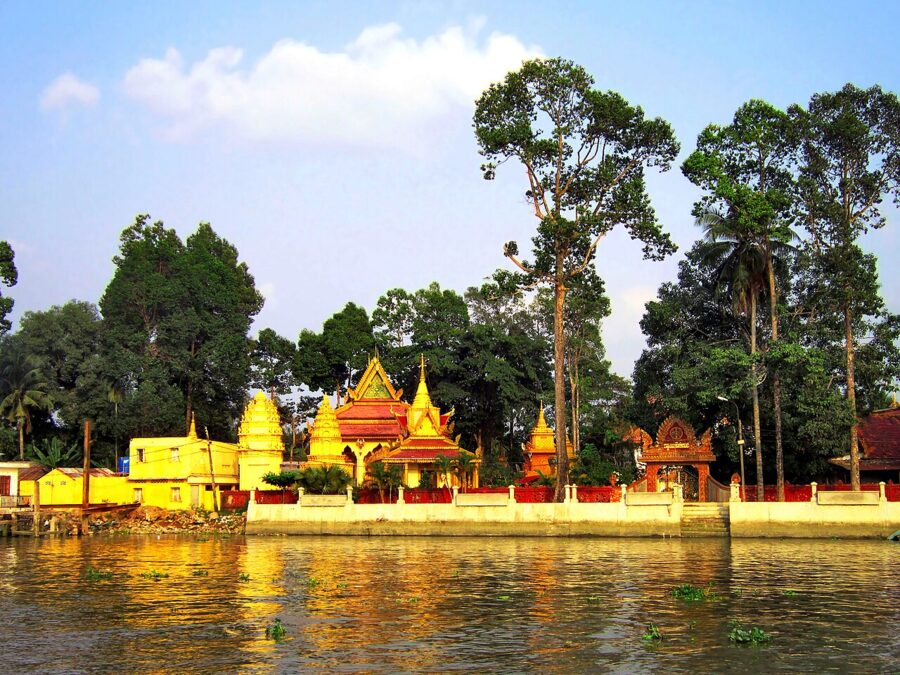
Cần Thơ was Khmer land before it was Vietnamese, and the Khmer are still here. Pôthi Somrôn pagoda, upriver at Ô Môn, is one of a scatter of Theravada temples in the north of the city. Since the 2025 merger, so are the great Khmer pagodas of Sóc Trăng, about 60 km to the south, which now lie within Cần Thơ’s borders too.

What to eat
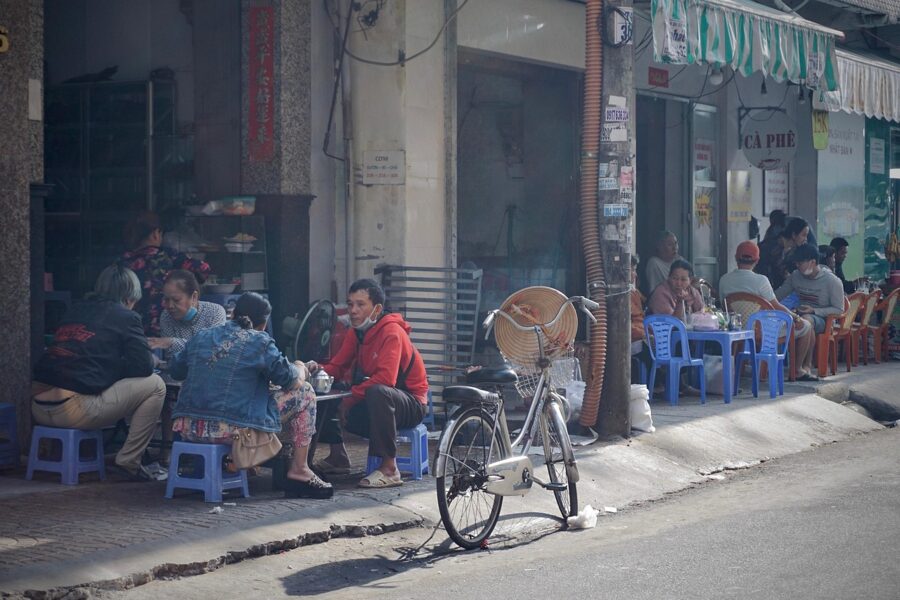
Hủ tiếu is the delta’s breakfast. The name comes from Teochew Chinese, and the noodle is a flat ribbon of rice: rice is soaked, ground to a batter, steamed in thin sheets on cloth stretched over boiling water, dried on bamboo racks in the sun and cut. Several family workshops on the river between Ninh Kiều and Cái Răng do it the old way, and most market boats stop at one. The bowl that follows comes with pork, a few shrimp, liver if you like, and a clear pork broth.
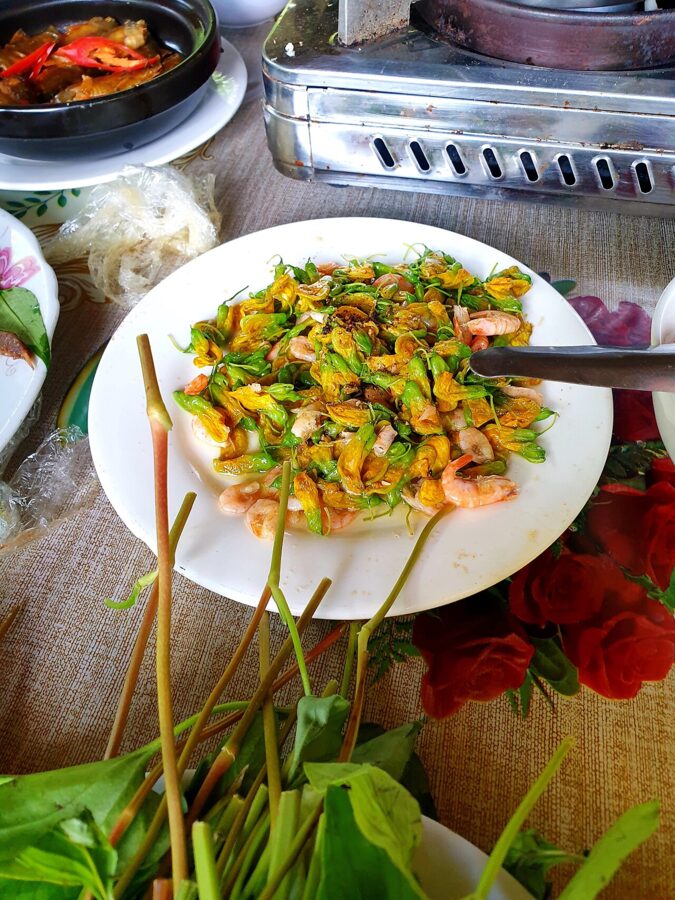
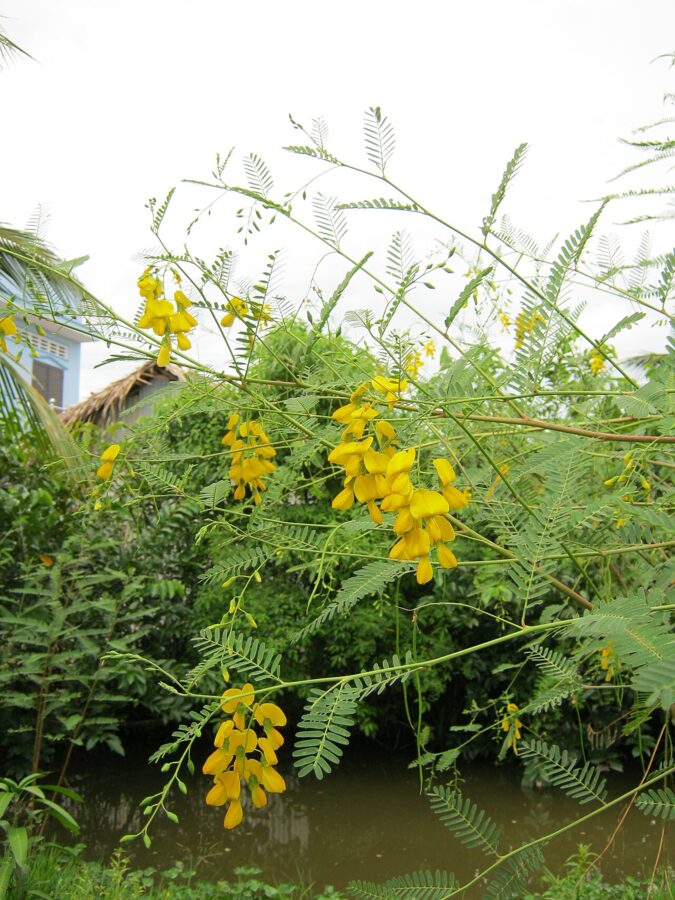
Lẩu mắm is the dish to share: a hotpot built on mắm, fish fermented with salt (in Cần Thơ usually small linh or sặc fish), cooked down with lemongrass, eggplant and pork belly, into a broth that is pungent, rich and a little sweet. What makes it is the basket of greens beside the pot: water-lily stems, bitter herbs, and in flood season the yellow flowers of điên điển, picked from the flooded fields. Any of the restaurants on the lanes off Ninh Kiều will make one for two or more.
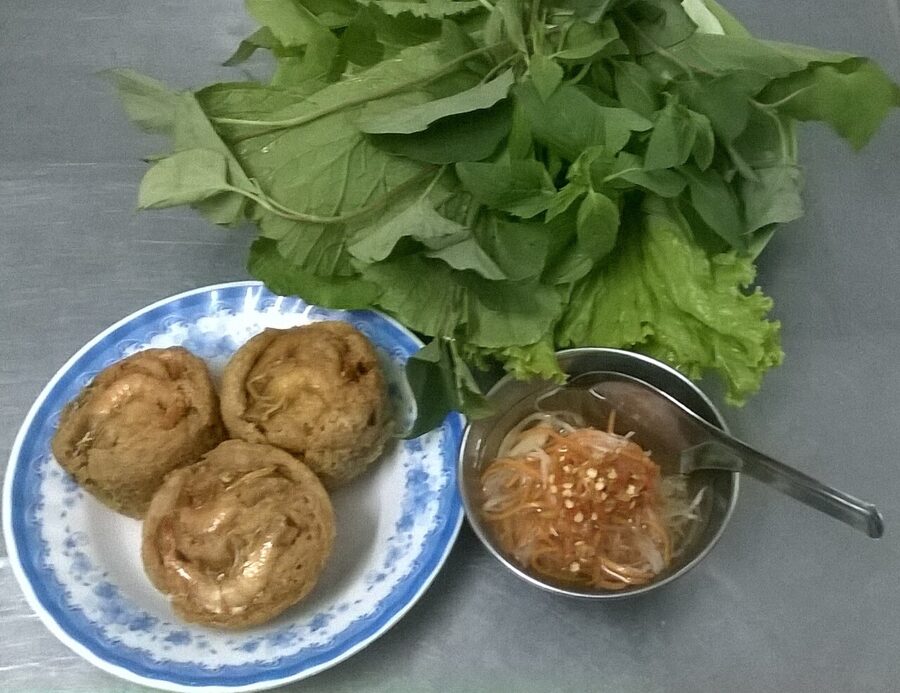

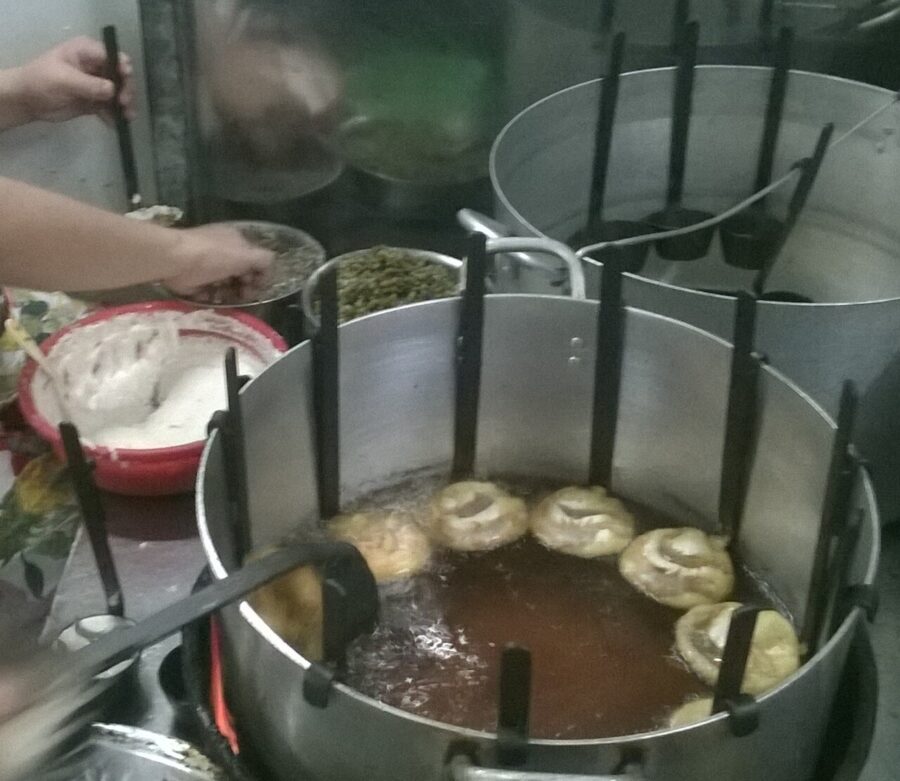
Bánh cống came to Cần Thơ from Sóc Trăng, where it is a Khmer specialty; since the merger it is, strictly speaking, a local dish. A batter of rice and wheat flour goes into a deep cup-shaped mould on a long handle, the cống, with mung beans, minced pork and a whole shrimp on top, and the whole thing is lowered into hot oil until it comes out crisp and golden. Look for it on Lý Tự Trọng street and at the An Bình and Xuân Khánh markets.

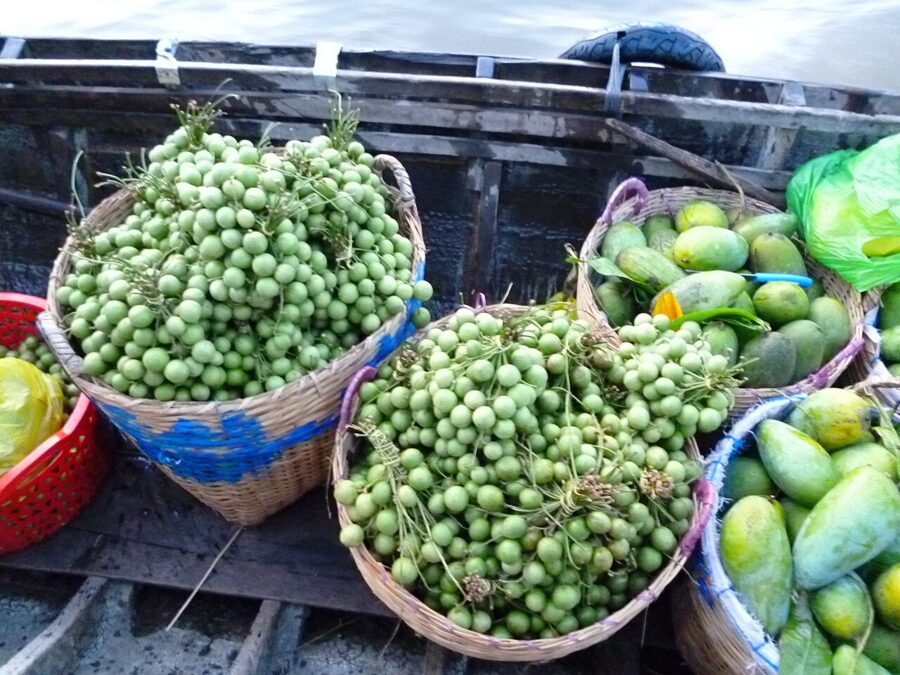
Then there is fruit, which is the delta’s real wealth. The main harvest is May to August, with mangosteens, durian, rambutans and longans sold off the boats and at roadside stands by the kilo. Pomelos and mangoes carry on through the dry months, watermelons arrive in a flood before Tết, and in the flood season, from September, the fish called cá linh comes down from Cambodia and is grilled, stewed and fermented all over the city.

Fish sauce and fermented fish are the delta’s pantry, and you will smell them in every kitchen. If lẩu mắm sounds like a challenge, try it first among Saigon’s restaurants, where many of the cooks come from the delta anyway.
When to go
The delta has the same two seasons as Saigon’s weather, with less shade. The dry season (December to April) has the clearest dawns and the easiest boat mornings. March to May is the hottest stretch, with afternoons in the mid-30s Celsius, so plan to be off the water and indoors by 11am.
The rains run from about May to November. Most mornings are still dry, and storms tend to come in the afternoon. A wet-season market is greener, the river higher and the fruit at its best from June to August.
The flood season, mùa nước nổi, is the delta’s own calendar. From August the Mekong’s floodwater fills the low fields upstream, peaking in October. In Cần Thơ itself the issue is the spring tides of September to December, which can push the river into the streets of Ninh Kiều for a few hours at a time; in October 2025 the area around the old market was badly flooded at peak tide. Check the tide tables and keep your morning plans.

Tết, the lunar new year (late January to mid-February), is the other big marker. The week before is the best time of year to see the market, crowded with flower and watermelon boats. Over the holiday itself the market goes quiet for two days, transport sells out, bus fares rise (FUTA raised many Cần Thơ fares by 40% over the April holiday in 2026), and boat prices were the main complaint of the 2026 Tết crowds.
Getting there from Saigon
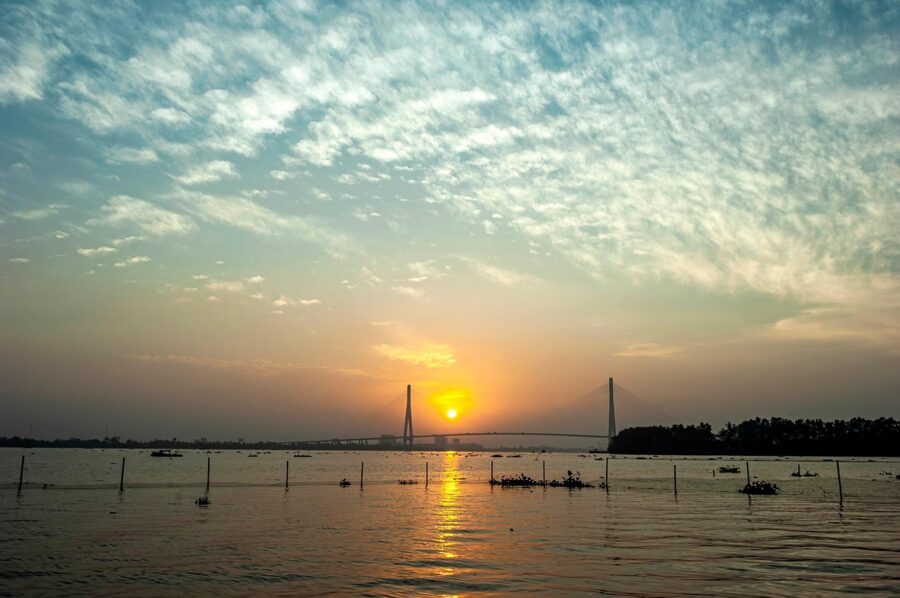
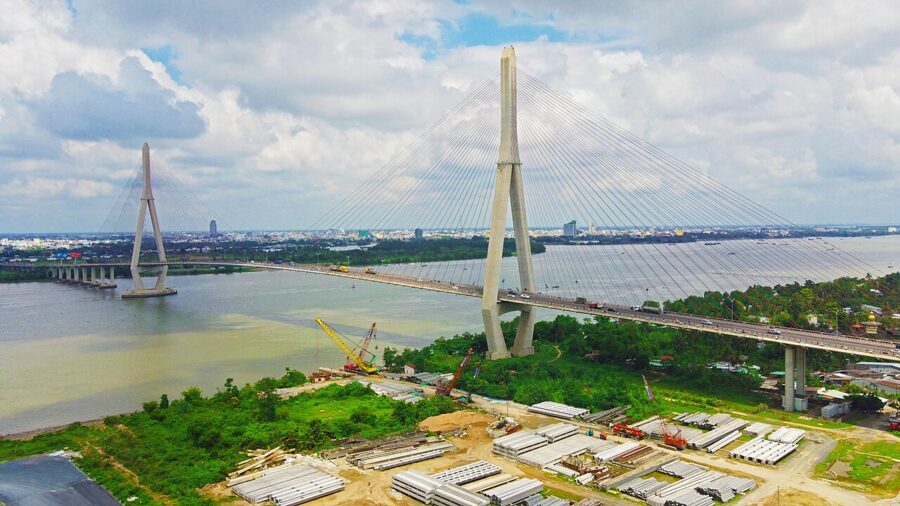
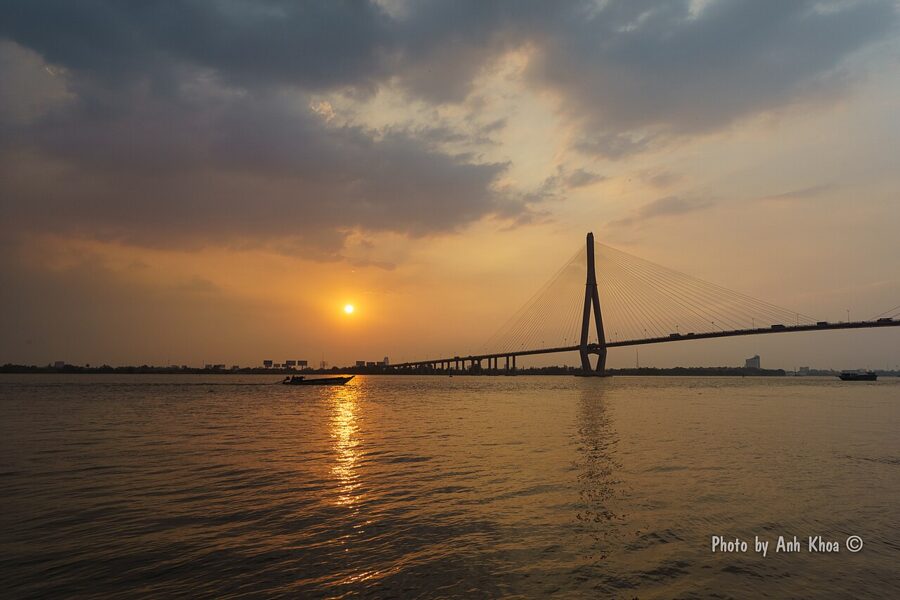
Cần Thơ is about 170 km southwest of Saigon by road. Expressway now runs almost the whole way: the Mỹ Thuận to Cần Thơ section opened in December 2023, together with the second Mỹ Thuận bridge over the Tiền. The final stretch crosses the Hậu on the Cần Thơ Bridge.
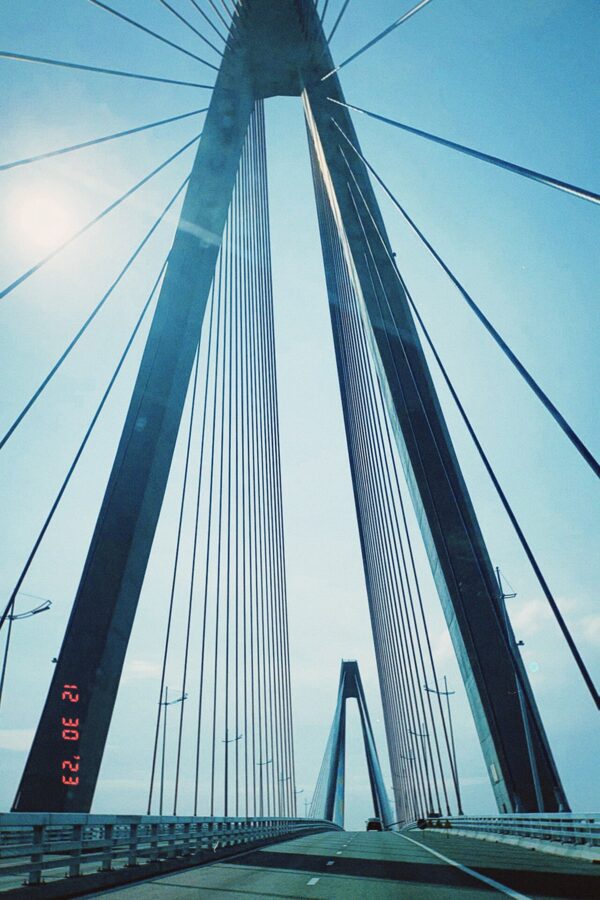

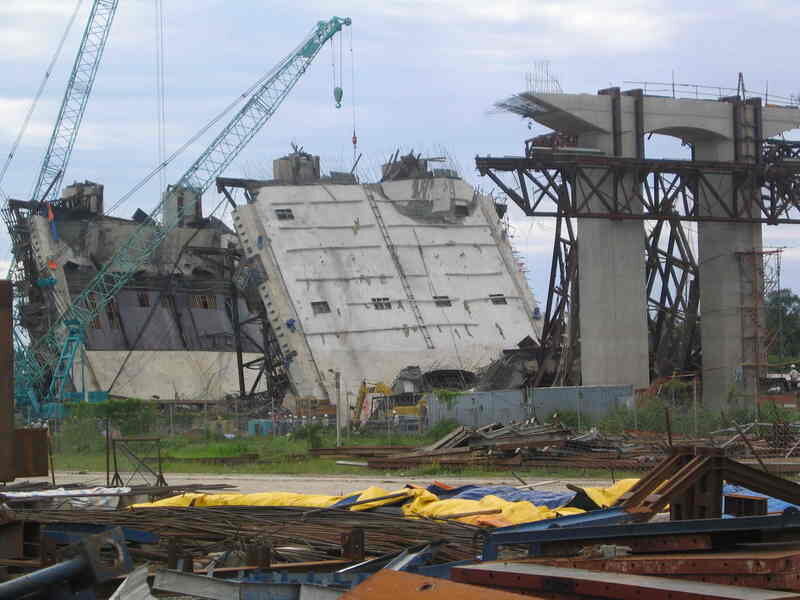
The bridge, 2.75 km long, opened in April 2010 and retired the car ferry that had carried Highway 1 across the river for generations. Its building cost lives: in September 2007 a 90-meter section of the approach ramp fell from 30 meters up, killing 54 workers, the worst accident in the history of Vietnamese construction.

By bus, van or car
Bus. FUTA (Phương Trang) runs the most frequent buses, day and night, from Miền Tây bus station on Kinh Dương Vương street in the former Bình Tân district. Allow three and a half to four hours including the crawl out of Saigon’s traffic; buses arrive at Cần Thơ’s central bus station on Highway 1 near Cái Răng, a 15-minute Grab from the riverfront. FUTA’s fixed fare from Ô Môn, on the far side of Cần Thơ, to Miền Tây was 185,000₫ (about US$7) in April 2026; the city fare is in the same range, so book through the FUTA app and avoid holiday eves.
Limousine van. Several companies run nine-seat and larger “limousine” vans that pick up and drop off at hotels. They cost more than the bus and save the trip out to the bus station, which matters if you are staying in District 1. Compare the current fares in the booking apps.
Private car or tour. A car with driver takes about three hours each way and lets you stop at a Vĩnh Long orchard or a Mỹ Tho canal en route. Most one-day tours from Saigon do the opposite of what you want, reaching Cái Răng after 8am; a two-day tour that sleeps in Cần Thơ is worth the extra night.

One day or two
One day. It can be done, but only by leaving Saigon by private car at 2:30 or 3am to be on the water by 6. Market and canals until 10, Bình Thủy house and the Ông pagoda before lunch, and back in Saigon by early evening. You will be very tired and you will have missed the city.
Two days. Take a morning bus and arrive by lunch. Spend the afternoon at the Bình Thủy ancient house and the communal house, then walk Hai Bà Trưng at dusk: the Ông pagoda, the market hall, sunset at Ninh Kiều and dinner with a lẩu mắm. On day two be at the wharf at 5:15, give the market an hour, continue through the canals to an orchard, and be back by 11 for a bus home in the early afternoon, or onward.

Where to sleep
Stay on or near Ninh Kiều. The riverfront hotels between the wharf and the Cái Khế islet put you a five-minute walk from the boats at 5am, and the river views are the point. The quieter alternative is a garden homestay or resort out in the orchards of Cái Răng or Phong Điền, which is lovely for an evening but means arranging an early pickup by boat or car with your hosts.
When to go and when not to
Go midweek, sleep in town, and be on the water before sunrise; that alone fixes most of what disappoints people about Cái Răng. Avoid Tết’s first days and the long national holidays, when the boats and buses are full and prices climb. Don’t come in the hope of a full river at 9am. The market you have heard about lasts about two hours a day.
Continuing to Châu Đốc or the coast
Cần Thơ is the hub of the western delta, and it is easy to keep going rather than return. Buses run northwest up the Hậu to Long Xuyên and Châu Đốc in about three hours, for Sam mountain, Cham villages and the fish farms on the Cambodian border in An Giang province. A new Châu Đốc to Cần Thơ expressway is due to open in 2027.

South and west, the Cần Thơ to Cà Mau expressway, open since 2025, puts the bottom of the country within easy reach, and the Khmer pagodas of Sóc Trăng are about 60 km away. For the sea, buses run to Rạch Giá and Hà Tiên for the ferries to Phú Quốc, or you can fly there from Cần Thơ’s airport, which also has flights to Hanoi, Đà Nẵng and Côn Đảo. If you are heading back, the morning boat will have you at Ninh Kiều by 11, with time for one last coffee on the riverfront while the barges you saw at dawn start their long run home.