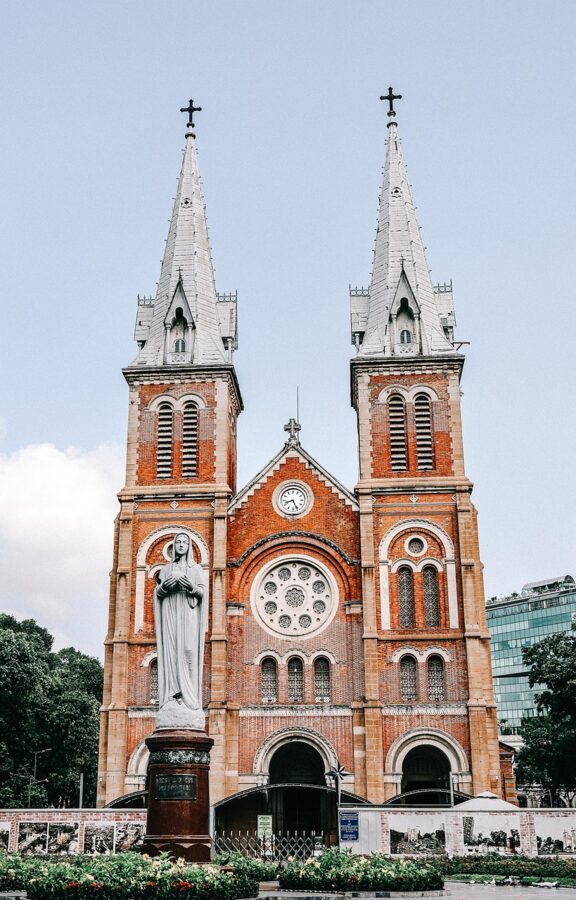
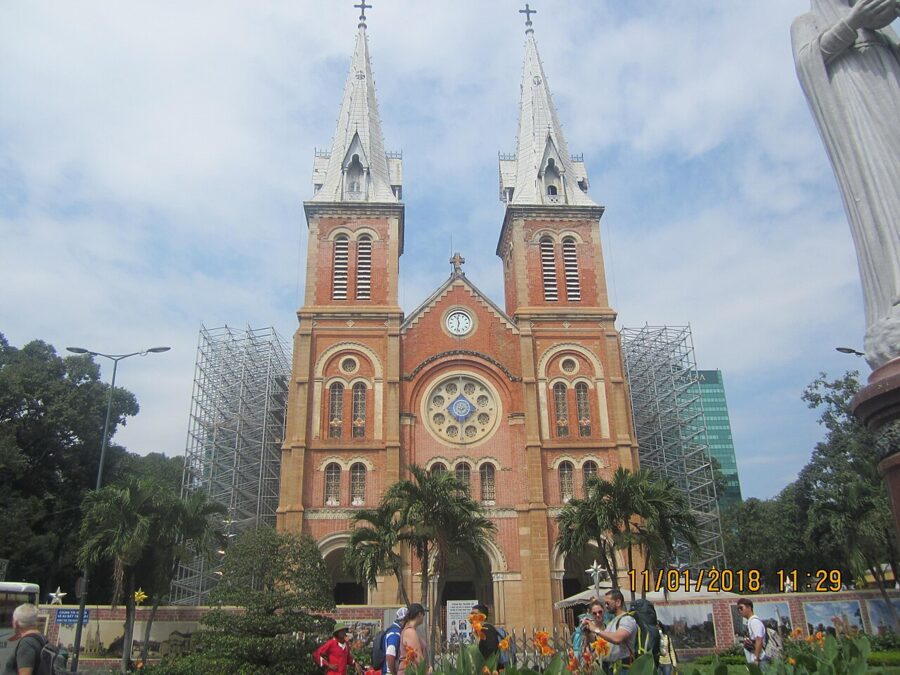
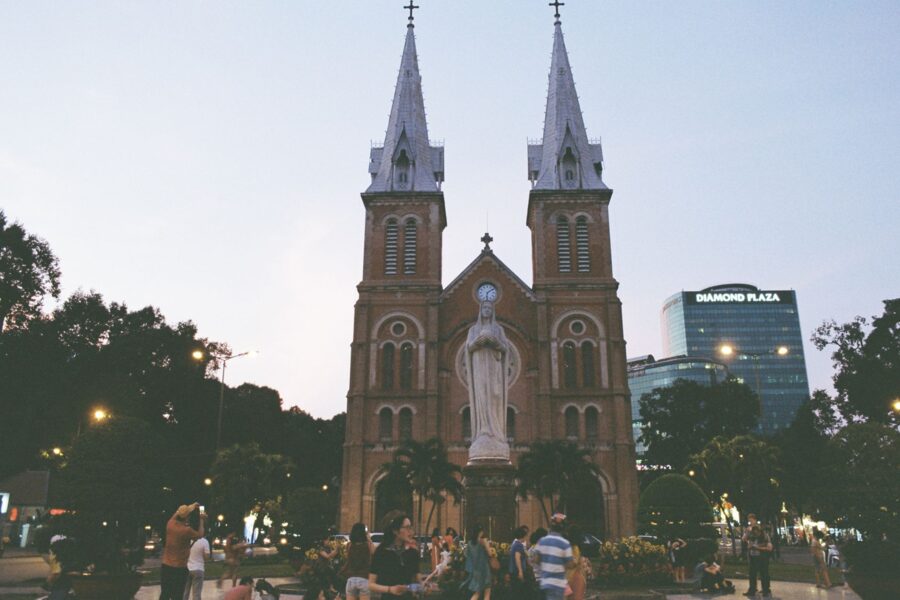
At 5:15 on a weekday morning, before the motorbikes thicken around Công xã Paris square, a few dozen people, some already in work clothes, cross the forecourt of Saigon’s Notre-Dame Cathedral (Nhà thờ Đức Bà) and slip inside for the 5:30 Mass. Sightseers can’t follow them in. The red-brick church on every postcard of the city is still a working cathedral, but since 2017 it has also been a building site.
For a visitor that makes for a strange kind of sightseeing. You can walk all the way round it, read its walls, stand under the Virgin who was said to weep in 2005, and hear Mass in English on a Sunday. What you can’t do, for now, is wander the nave with a camera. The parish says plainly that tourists can’t visit during the restoration, though the church stays open for daily Mass.

This guide covers how the cathedral came to be built with French bricks on a Cochinchinese plain, what happened on the square in front of it, what the restorers have found and replaced, and how to see as much of it as possible today.
On this page
Saigon’s Catholics before the cathedral
Catholicism reached southern Vietnam long before the French army did. Portuguese and French missionaries worked along the coast from the seventeenth century, and in 1659 Rome named the first two vicars apostolic for Vietnam, both from the Paris Foreign Missions Society (Missions Étrangères de Paris). By the late eighteenth century there were Catholic villages scattered through the Mekong delta and around Gia Định, the citadel town that became Saigon.
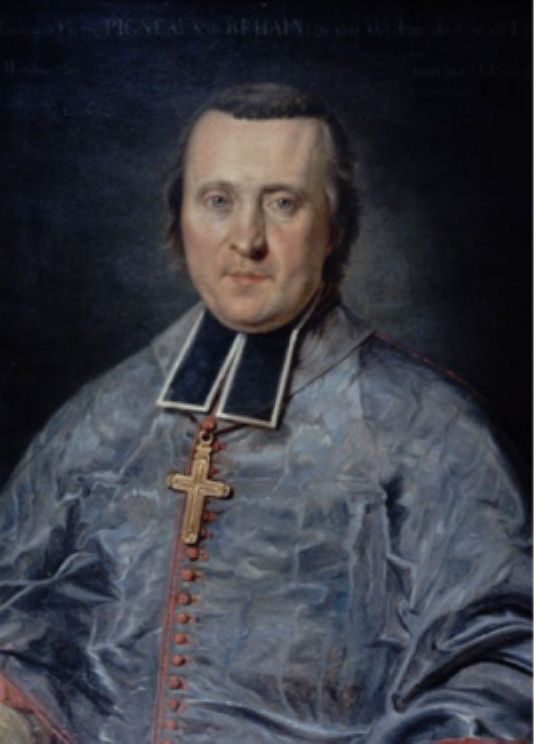
The missionary who left the deepest mark here was Pierre Pigneau de Behaine, a French bishop with the title of Adran. He backed the young Nguyễn Ánh in his long war against the Tây Sơn, took the prince’s son Cảnh to Versailles in 1787 to ask for French help, and died in 1799, three years before Nguyễn Ánh took the throne as Emperor Gia Long. Pigneau was buried outside Saigon in a tomb the Vietnamese called Lăng Cha Cả, the tomb of the great father.
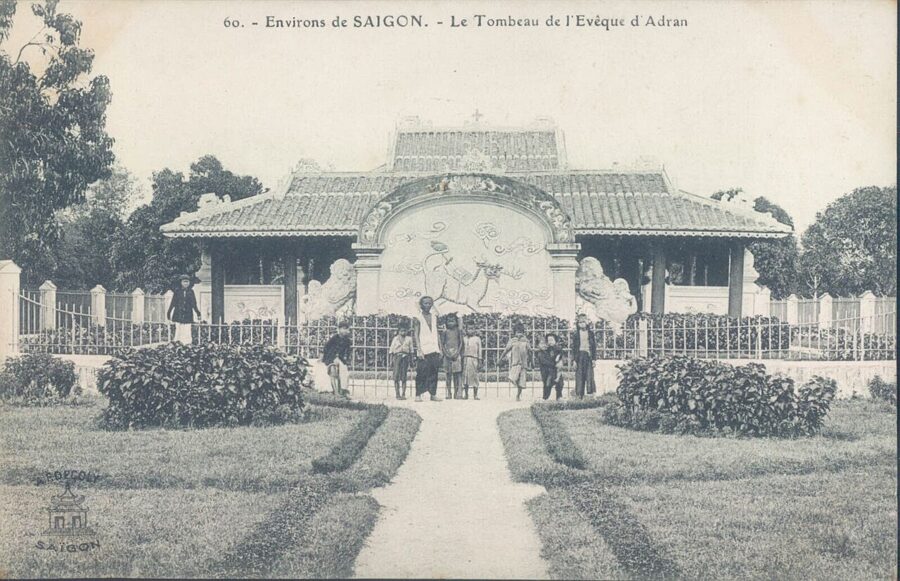
Gia Long tolerated the missions; his successors Minh Mạng, Thiệu Trị and Tự Đức did not, and priests and converts died in waves of persecution. France cited those deaths among its reasons for sending warships, and a Franco-Spanish force took Saigon in February 1859. By 1862 three southern provinces had been ceded to France, and a colonial city was being laid out on a grid along the river.
The first French services were held in a converted building on what is now Ngô Đức Kế Street. It was soon too small, and in 1863, under Admiral Bonard by most accounts (some Vietnamese histories name Admiral Duperré), a wooden church went up beside the Kinh Lớn canal, where Nguyễn Huệ Boulevard runs today. Bishop Dominique Lefebvre laid its first stone on March 28, 1863, and the church was finished in 1865.
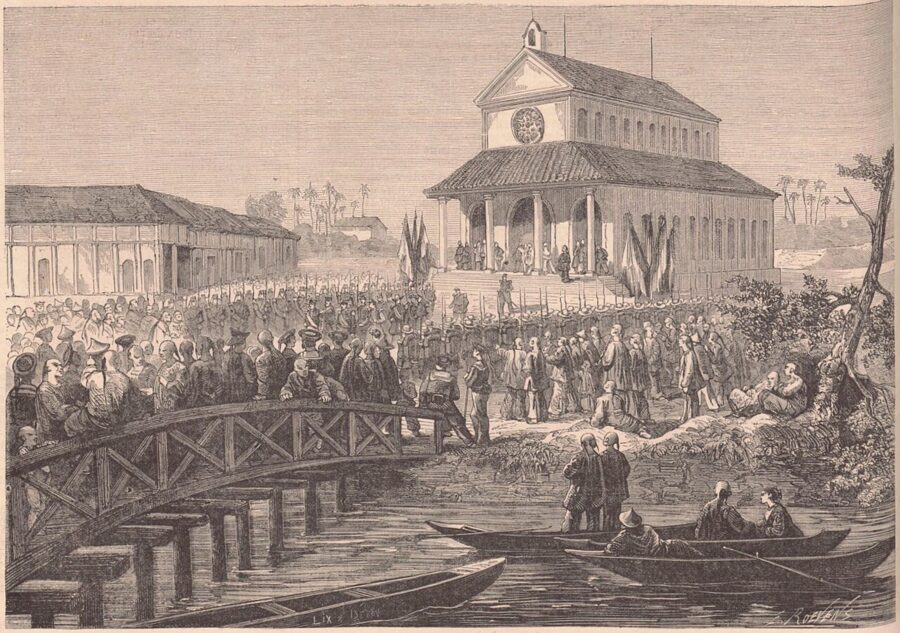
Termites and wood borers ate into the wooden church, and services moved to the reception hall of the old governor’s residence, later the Taberd school, while the colony decided what to build in its place.
Building it, 1876 to 1880
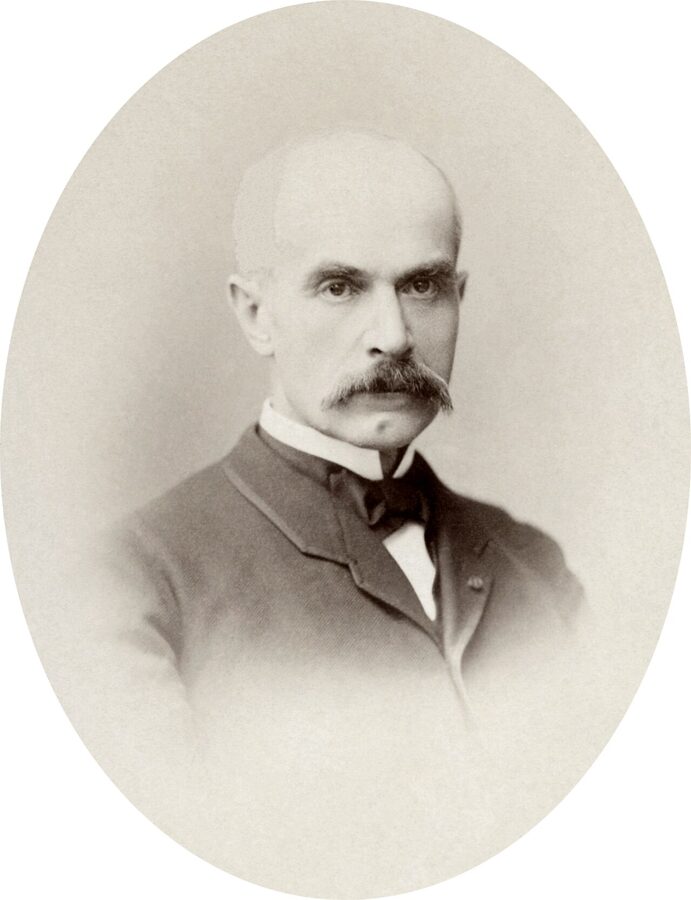
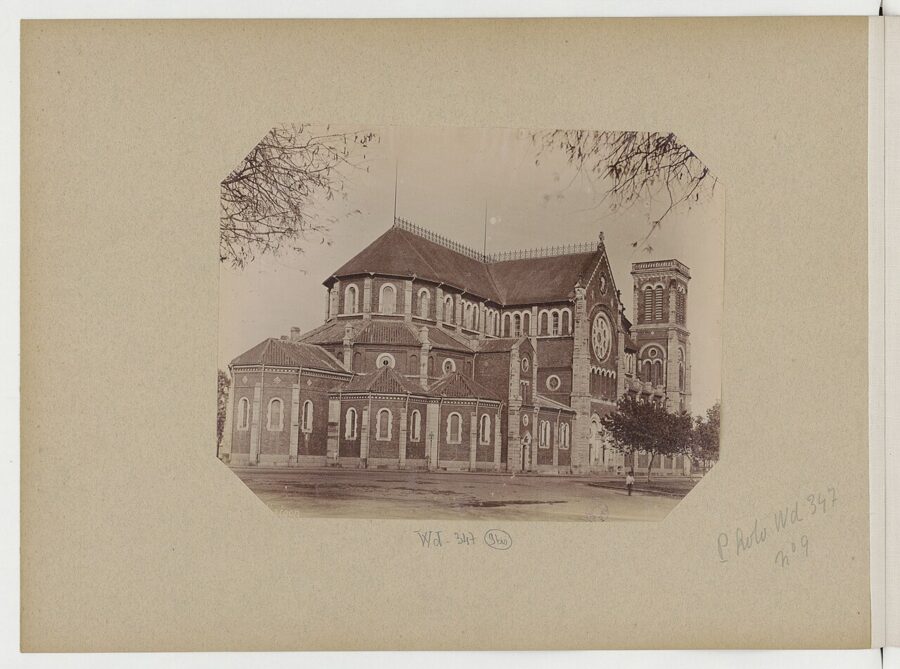
In August 1876 the governor of Cochinchina, Admiral Duperré, opened a design competition. The winner, chosen over seventeen other designs, was the architect Jules Bourard, with a Romanesque plan that borrowed Gothic height and detail. Bourard then won the building contract as well and supervised the work himself.
Three sites were considered: the old examination ground at what is now the corner of Lê Duẩn and Hai Bà Trưng streets, the canal site of the wooden church, and the open ground at the head of Rue Catinat, today’s Đồng Khởi Street. The last one won. The cathedral faces straight down Đồng Khởi toward the Saigon River, which is why its towers still close the view up that street.
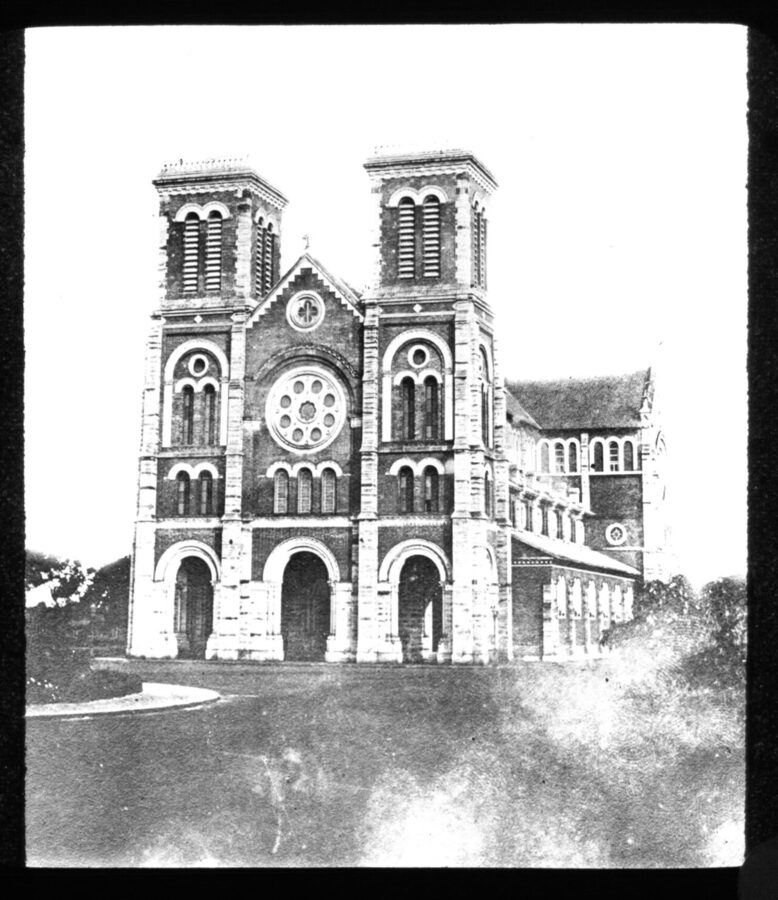
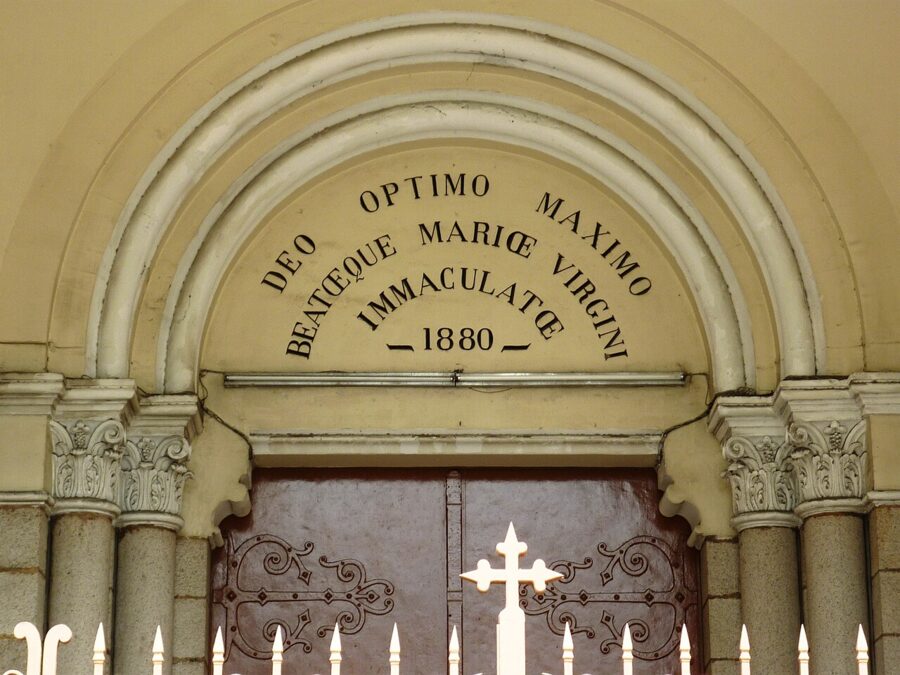
Bishop Isidore Colombert laid the first stone on October 7, 1877. Three years later, on Easter Sunday, April 11, 1880, he consecrated the finished church in front of the governor, Charles Le Myre de Vilers. The colonial government paid the whole bill, 2.5 million francs, and for years people called it the State Church.
Bricks, tiles and a doorway dated 1880
Almost everything came from France, down to the cement, iron and screws. The outer walls are bare brick, never rendered, and the color has held for nearly a century and a half. Where the bricks were made depends on whom you read: the parish’s own history and several other accounts say Toulouse, while others, including most of what visitors read, say Marseille.
Marseille is certainly on the roof. Old tiles carry the stamp of Guichard Carvin of Marseille Saint-André, and some replacements are marked Wang-Tai Saigon, made locally after earlier tiles broke. Vietnamese accounts blame Allied air raids in the Second World War for much of that damage.
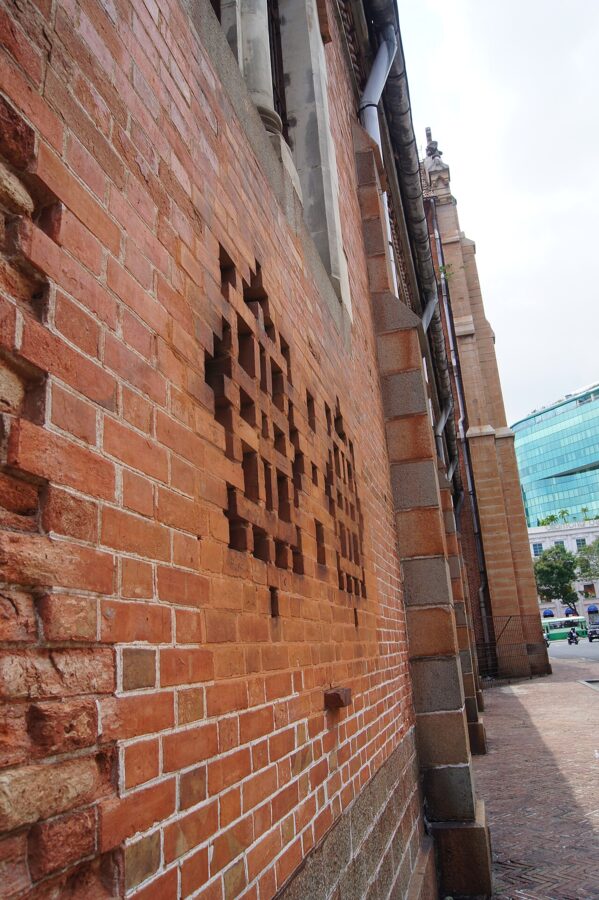

The figures are easy to remember. The church is about 93 meters long and 35 meters wide at its widest, the vault rises 21 meters, and the nave holds around 1,200 people. The foundations were designed to carry ten times the weight of the building above them. Unusually for a Saigon church, it never had a wall or fence around it.

The spires of 1895
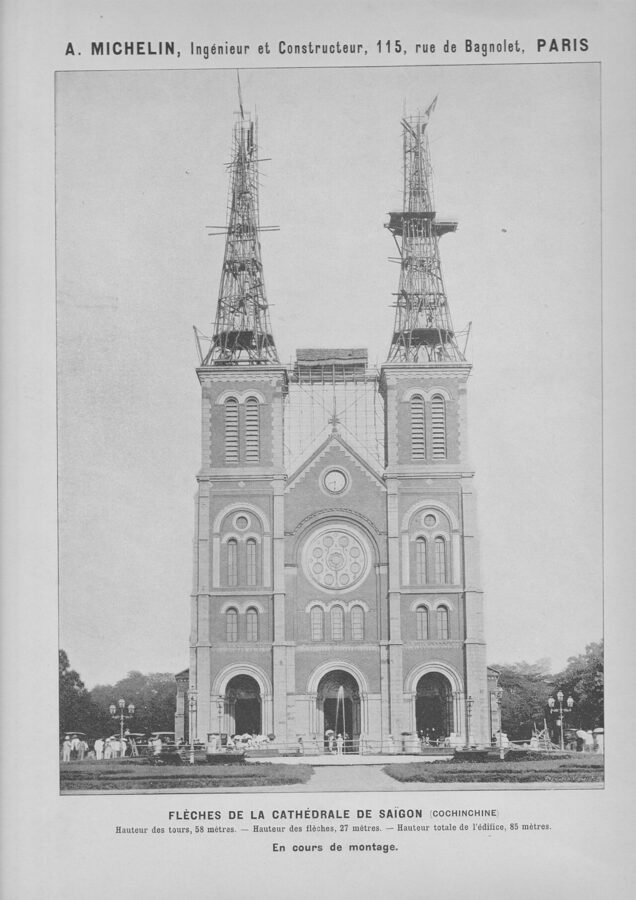
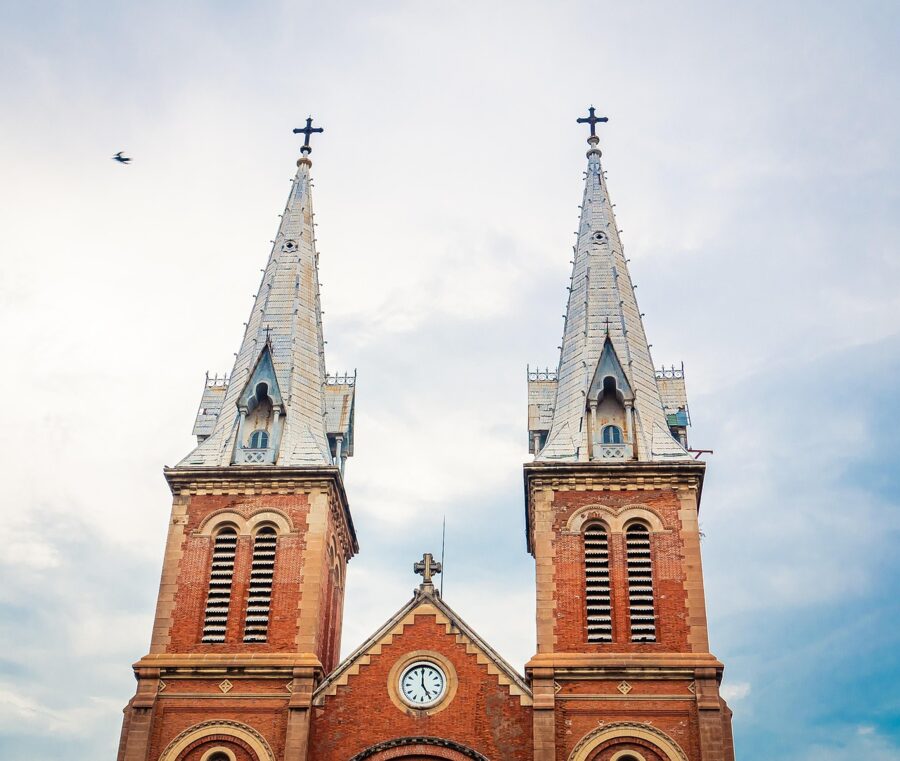
Bourard’s towers stopped at 36.6 meters. In 1895 the architect Gardes added two spires about 21 meters tall, iron frames clad in zinc, bringing each tower to 57.6 meters. A cross 3.5 meters high and weighing around 600 kilograms went on top of each, for a total height of 60.5 meters.
The square: from the bishop of Adran to the Queen of Peace
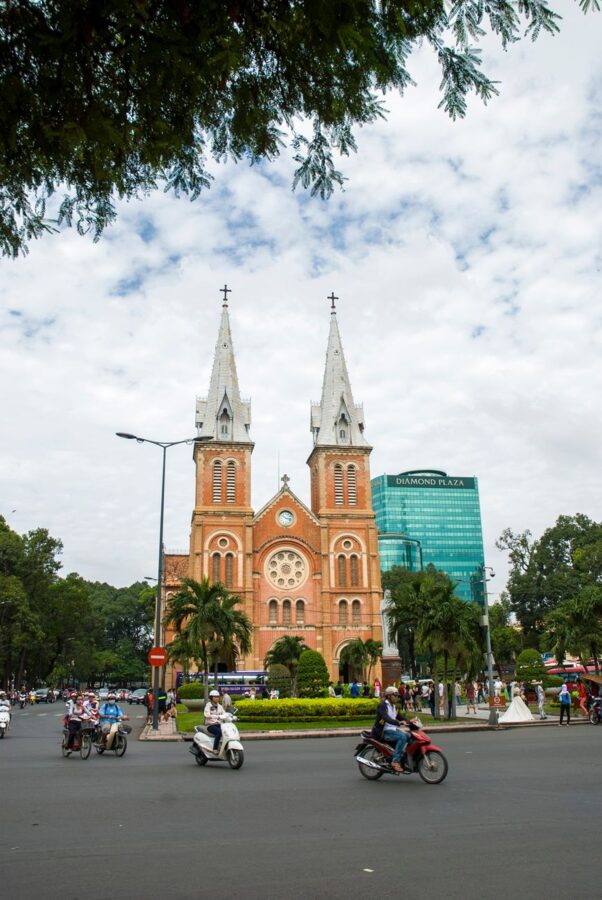
The lawn in front of the cathedral has always been a stage. Four streets meet there in the shape of a cross, the Central Post Office stands on one side, and whoever ran Saigon has used the space to make a point.
A colonial forecourt
In 1903 the French put up a bronze statue of Pigneau de Behaine in his bishop’s robes, leading the boy Prince Cảnh by the hand, on a round base of red granite. Saigon people nicknamed it the two-figure statue, to tell it apart from the one-figure statue of Admiral Rigault de Genouilly near the river. The square became Place Pigneau de Behaine.
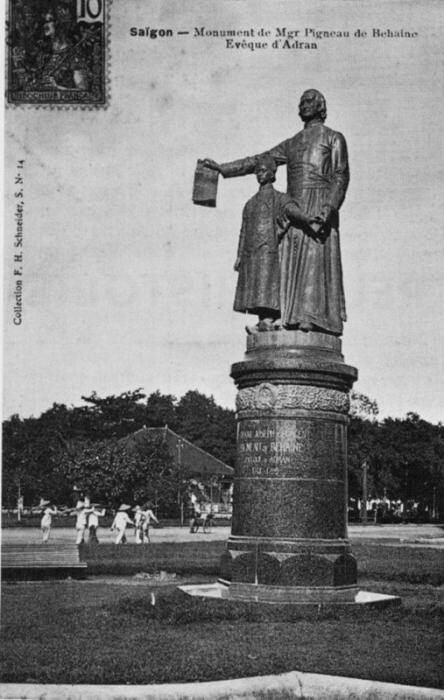
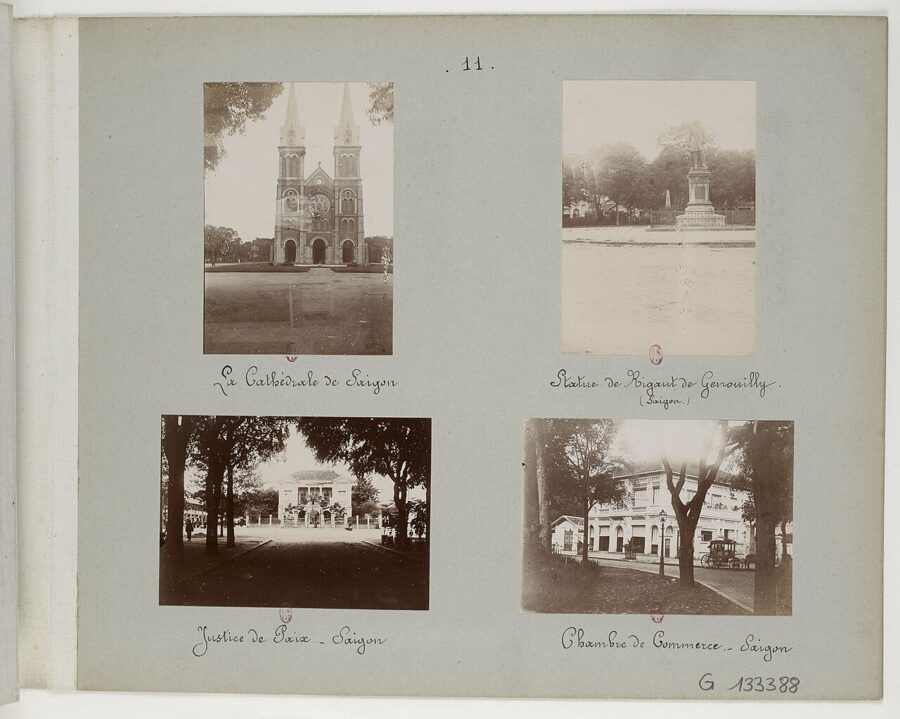
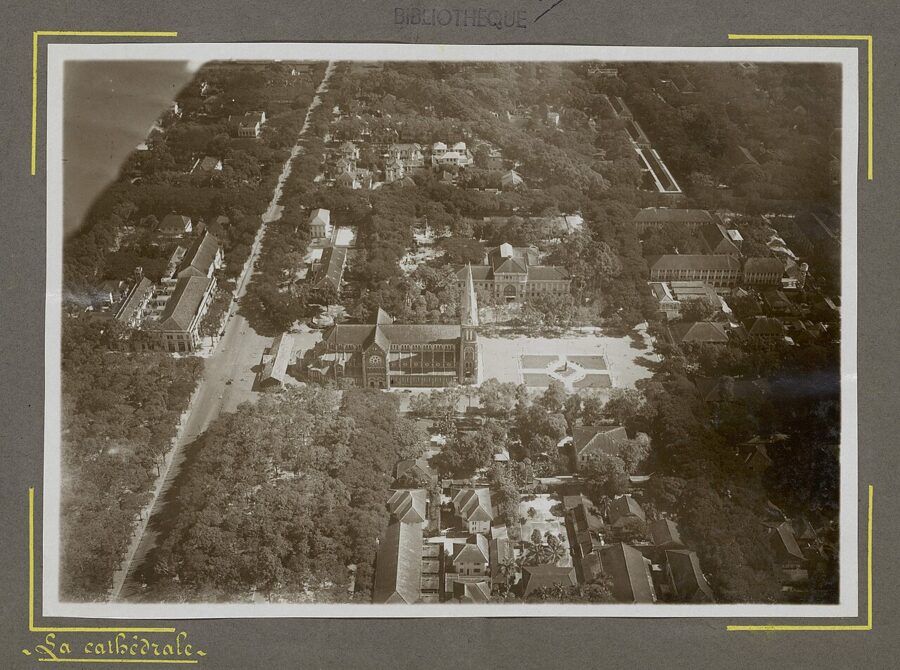

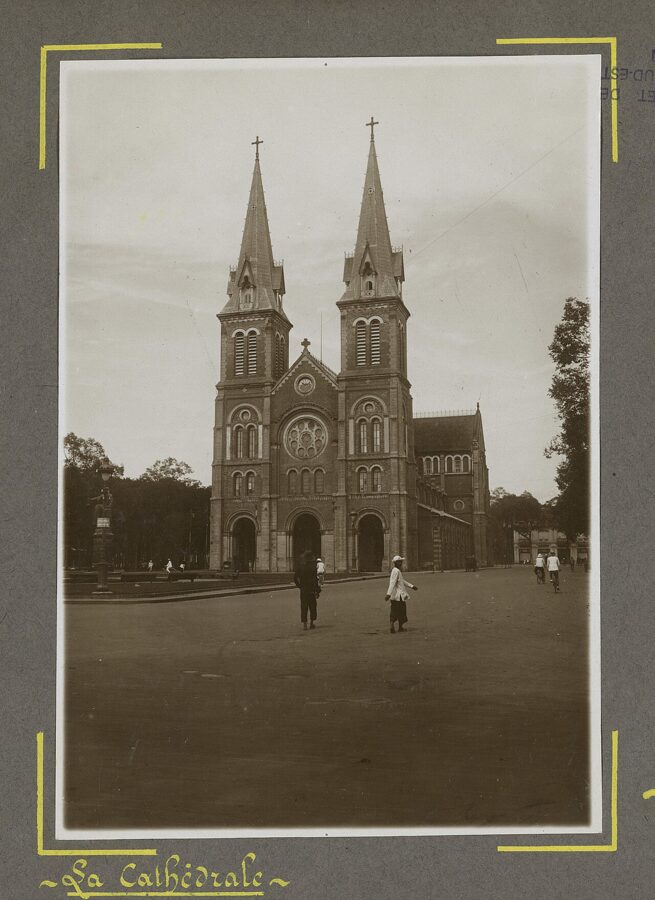
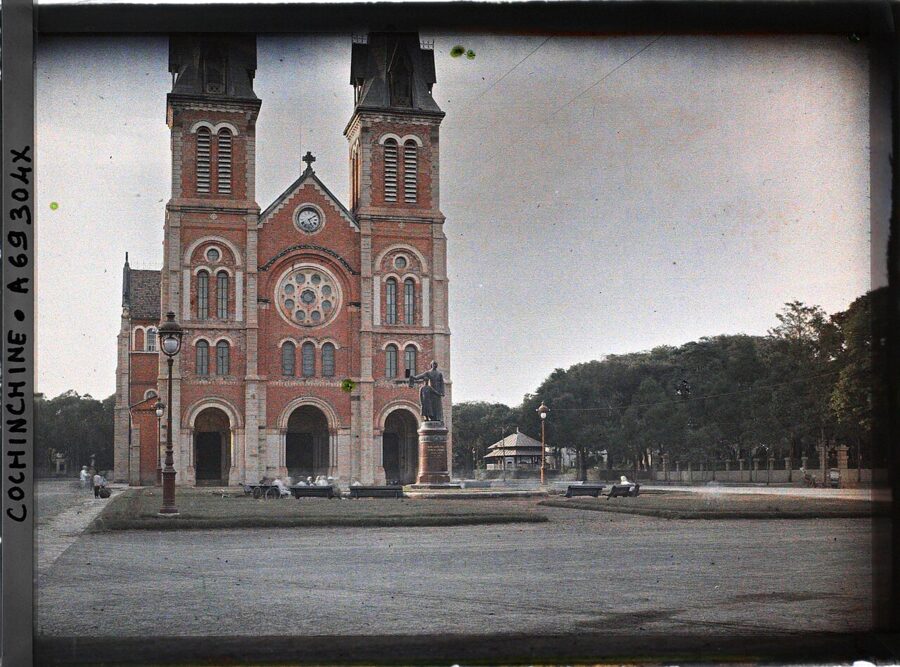
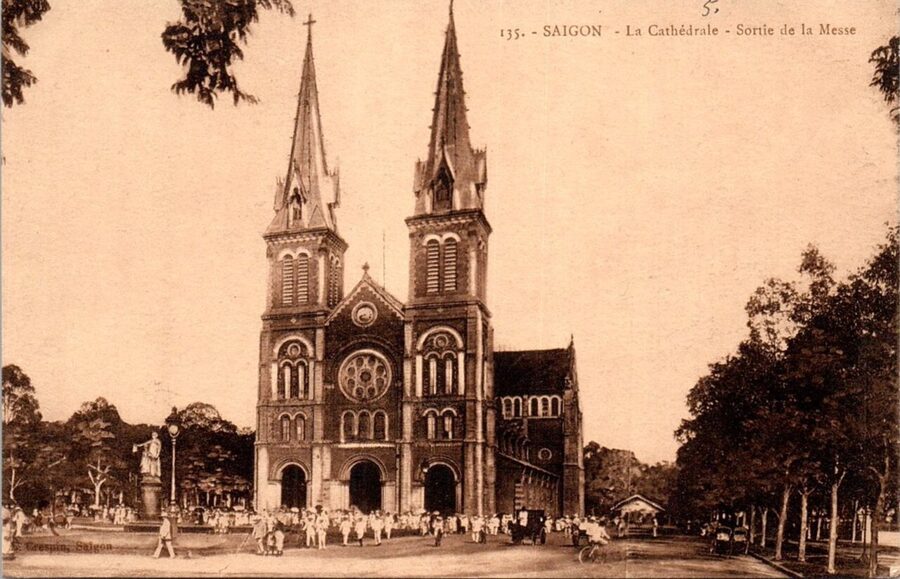
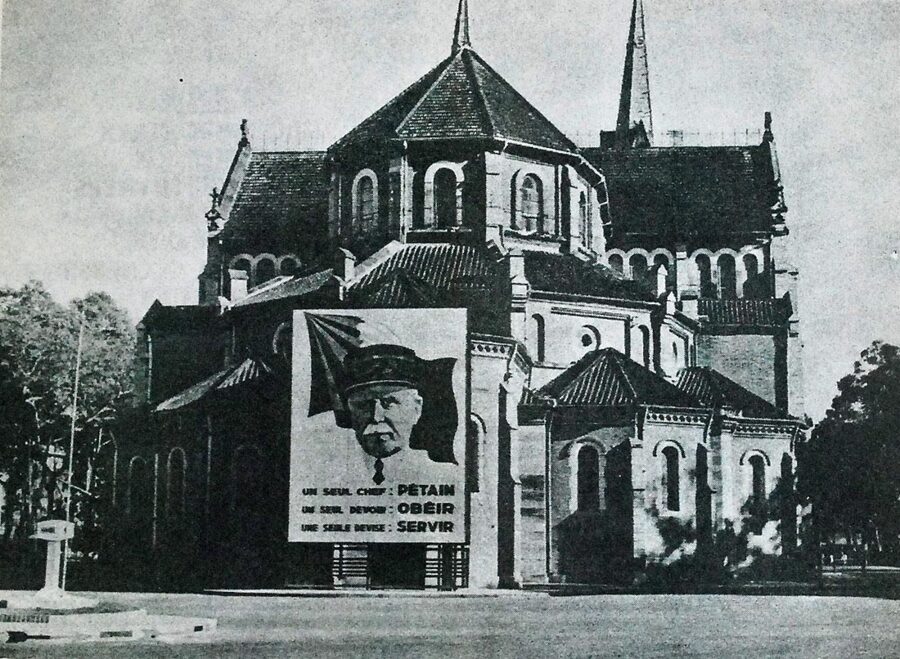
Politics came right up to the church walls. In the early 1940s, when Vichy France still governed Indochina, a portrait of Marshal Pétain six meters by eight was hung on the apse with his slogan about one leader, one duty and one motto. In 1945, after the Japanese had ended French rule, the government of Prime Minister Trần Trọng Kim had the Pigneau statue taken down. The empty granite base stayed for fourteen years.
Regina Pacis, 1959
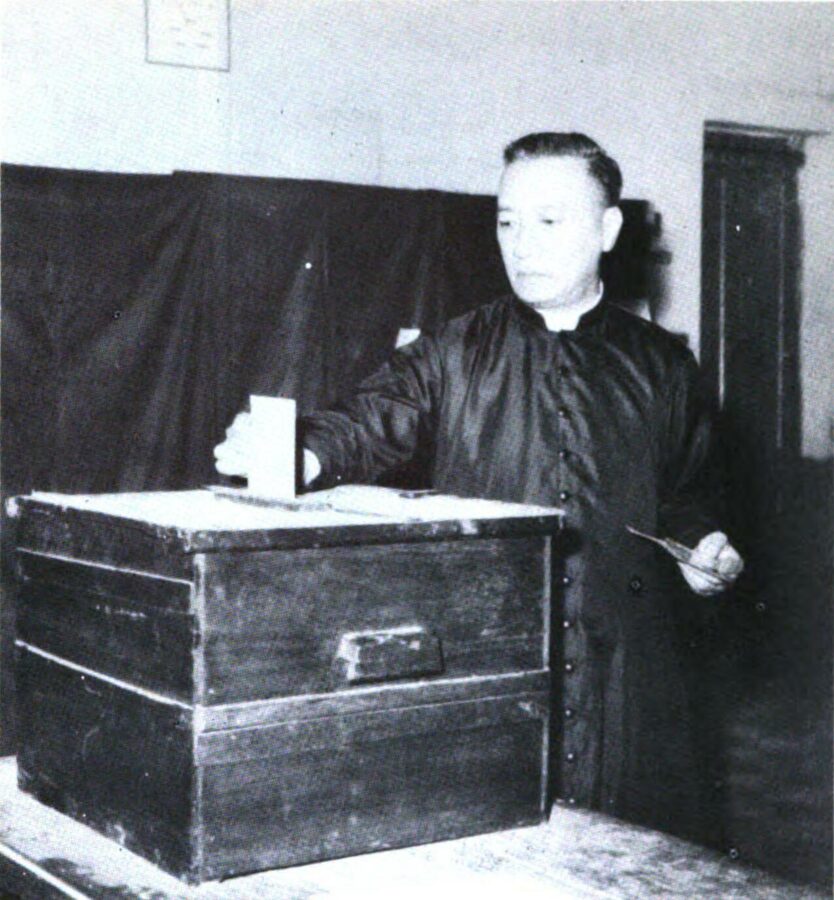
The statue that stands on that base now was ordered in 1958 by Father Joseph Phạm Văn Thiên, the parish priest, later bishop of Phú Cường. The occasion was a Marian Year: a hundred years since the apparitions at Lourdes and three hundred since the first vicars apostolic were named for Vietnam. Saigon was to host a national Marian congress.
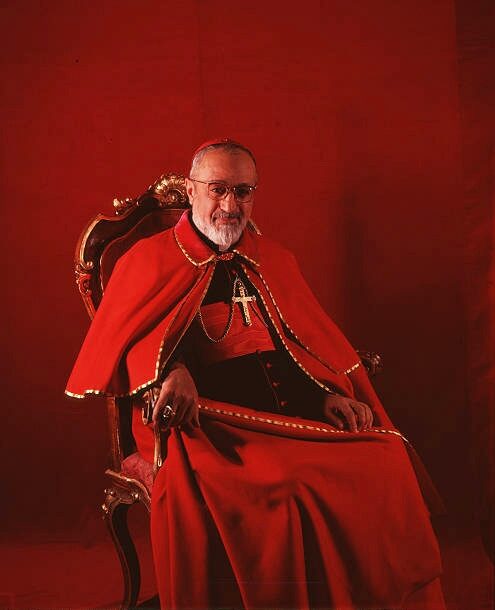
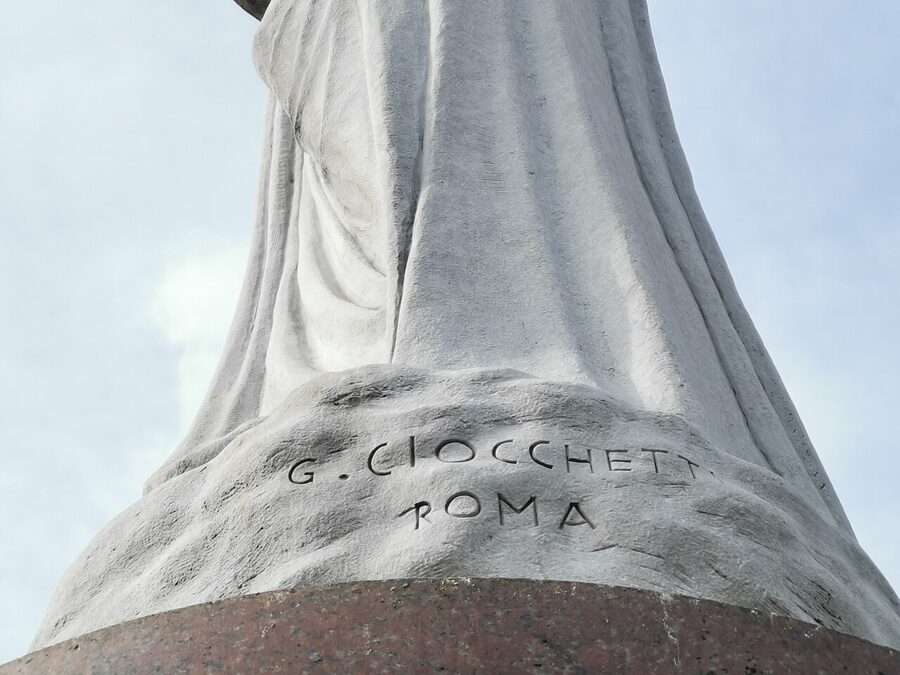
The sculptor Ciocchetti carved it in white Carrara marble at Pietrasanta in Italy. It sailed from Genoa on January 8, 1959, reached Saigon on February 15, and was raised onto the old Pigneau base. Cardinal Agagianian, sent from Rome to close the congress, blessed it; the bronze plaque gives February 17, 1959, though some accounts say the sixteenth.
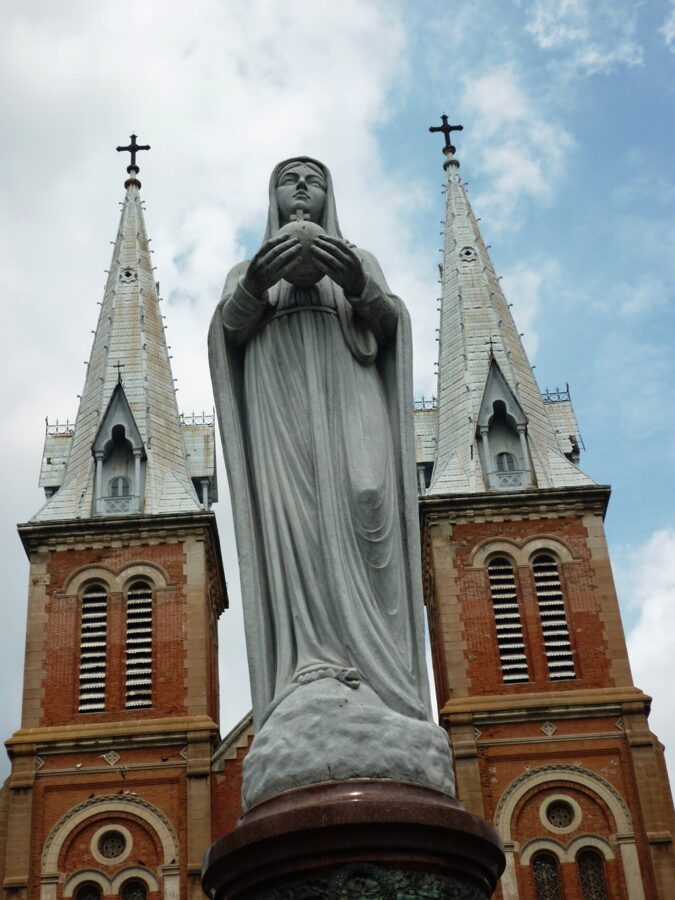

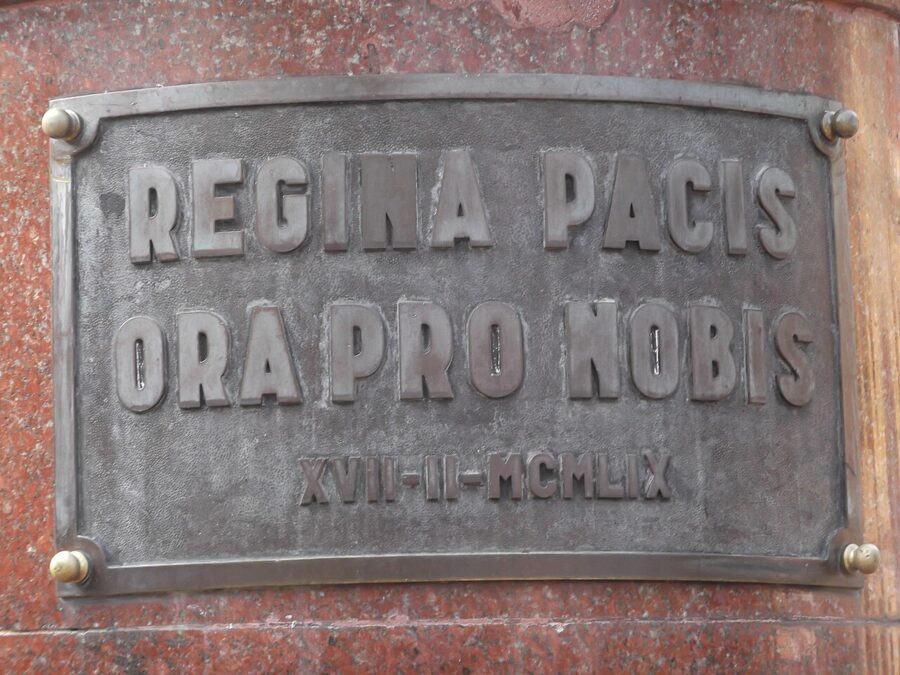

Under the statue’s feet, in a cavity cut into the base, there is a silver box of prayers for peace. They were written on thin sheets of gold, silver, tin, aluminum, copper, leather and paper, sent from all over Vietnam, some of them from the north. The statue’s weight is given as anything from 5.8 to 8 tonnes, depending on the source.

From parish church to basilica
After 1959 Saigon people simply called it Nhà thờ Đức Bà, the Church of Our Lady, and the name stuck. On December 8, 1959 the church and its altar were solemnly consecrated. In 1960 the Holy See set up a Vietnamese hierarchy with archbishops in Hà Nội, Huế and Saigon, and this became the archbishop’s cathedral.
On November 13, 1962 Pope John XXIII raised it to a minor basilica at the request of Archbishop Paul Nguyễn Văn Bình, the first church in Vietnam to hold the title. Some sources, including recent press reports, put the basilica title in 1959; the parish dates it to 1962. Its formal name is the Cathedral Basilica of Our Lady of the Immaculate Conception.
October 2005: the statue that wept
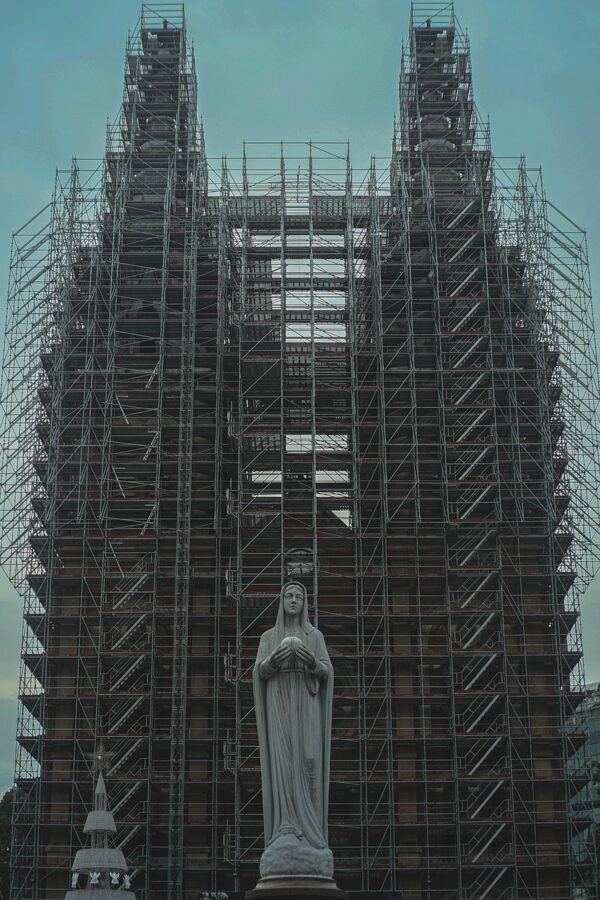
On the afternoon of October 29, 2005, word spread that tears were running from the statue’s eyes, down the right cheek. By that evening thousands of people were packed onto the square, praying and buying pictures, and the next morning police closed the surrounding streets to traffic.
The parish priest, Father Huỳnh Công Minh, went on city television on the evening of October 30 and called it a groundless rumor: the statue stands outdoors, nobody cleans it, and marks appear after rain. On November 4 Cardinal Phạm Minh Mẫn wrote a pastoral letter that neither confirmed nor rejected the claim, said the evidence so far was not objective proof, and set up a commission to study it. The crowds took days to thin out.
War, 1975 and a parish that kept going
The cathedral came through the twentieth century with less damage than the city around it. Vietnamese accounts say most of the original stained glass was smashed during the Second World War and broken roof tiles were replaced in the same years, but no war brought the walls down.
In the 1960s the square was a backdrop to the Republic of Vietnam’s turbulent politics. Catholics, many of them refugees who had come south after the 1954 partition, were a large and politically visible community in the capital.
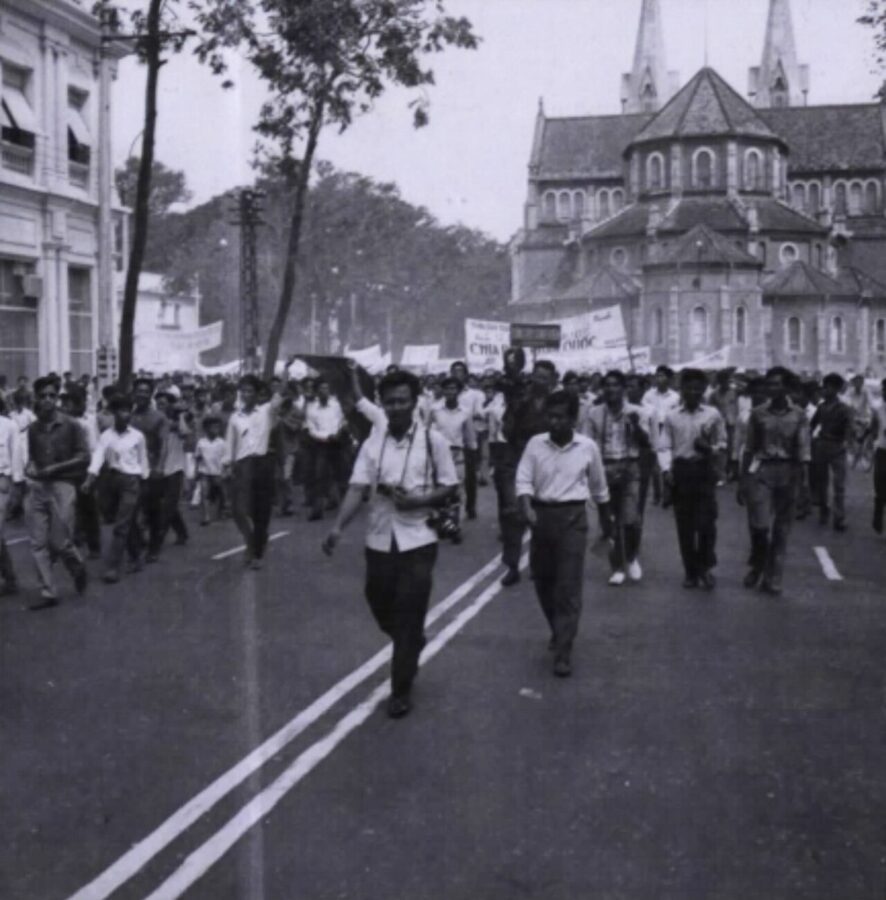
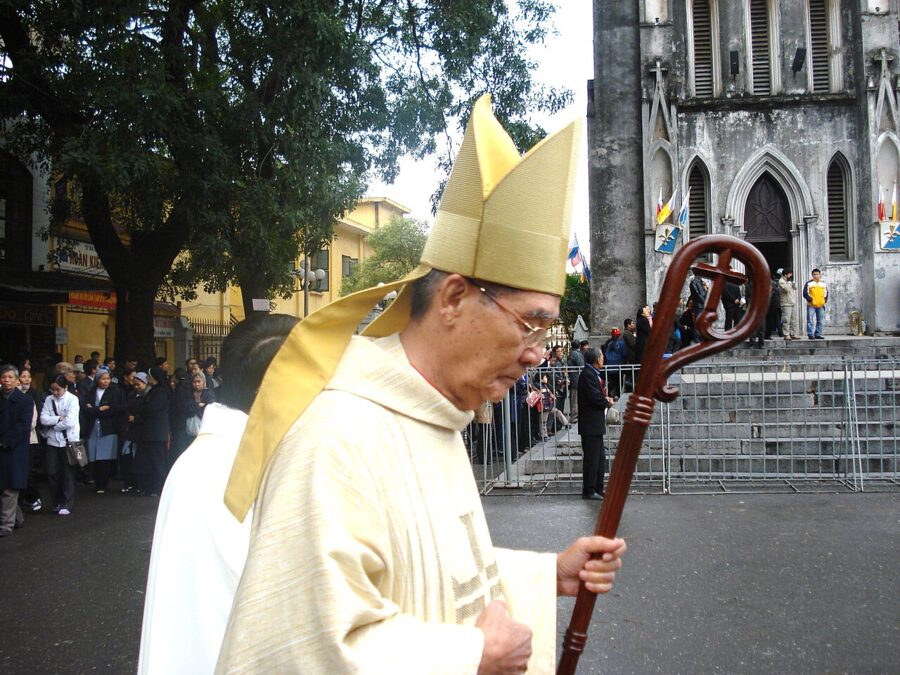
Today the square is called Công xã Paris, the Paris Commune, and the cathedral is still the seat of the archbishop. Bishops have been consecrated here since at least 1941, and on December 9, 2000 Archbishop Phạm Minh Mẫn consecrated the new altar that is used today; the old high altar became the tabernacle.
Reading the outside
Since you can’t go in as a sightseer, the exterior is the visit, and it rewards a slow lap. Start at the front, walk round past the post office side, circle the apse on Lê Duẩn Street and come back along the other flank.
Facade, clock and towers
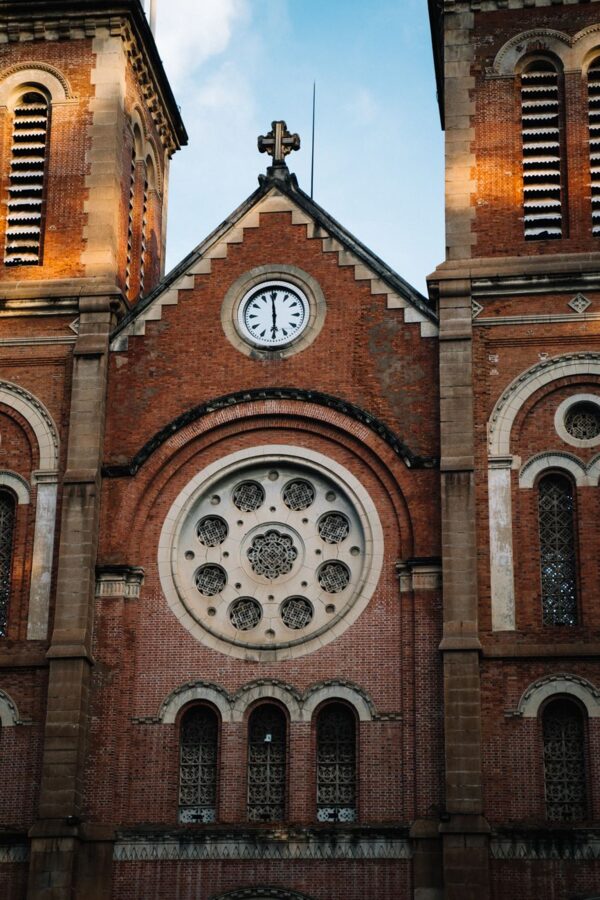
The front has three arched doorways under a rose window, with a clock set between the towers about 15 meters up. Vietnamese accounts say the clockwork was made in Switzerland in 1887 and had to be wound by hand once a week; its striking hammers stopped working long ago.
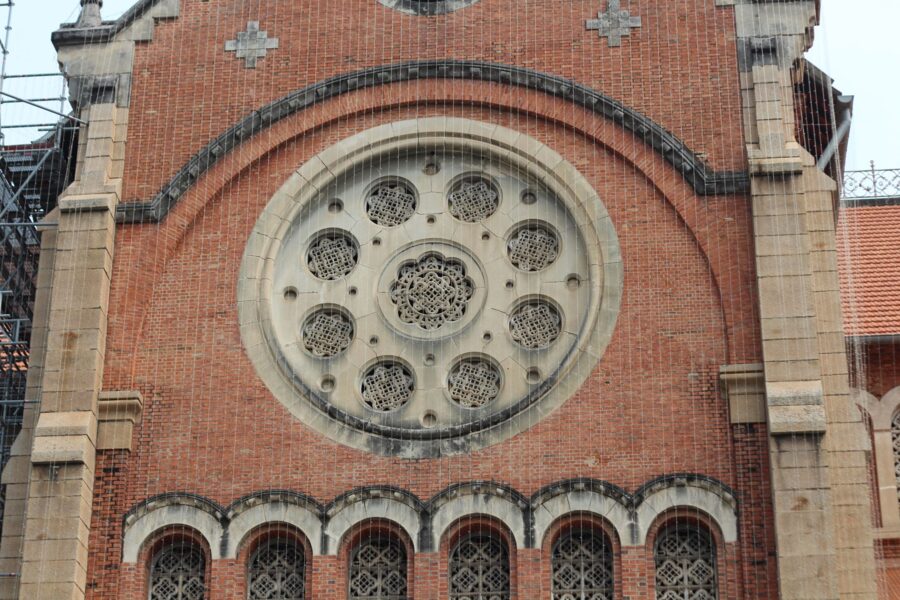
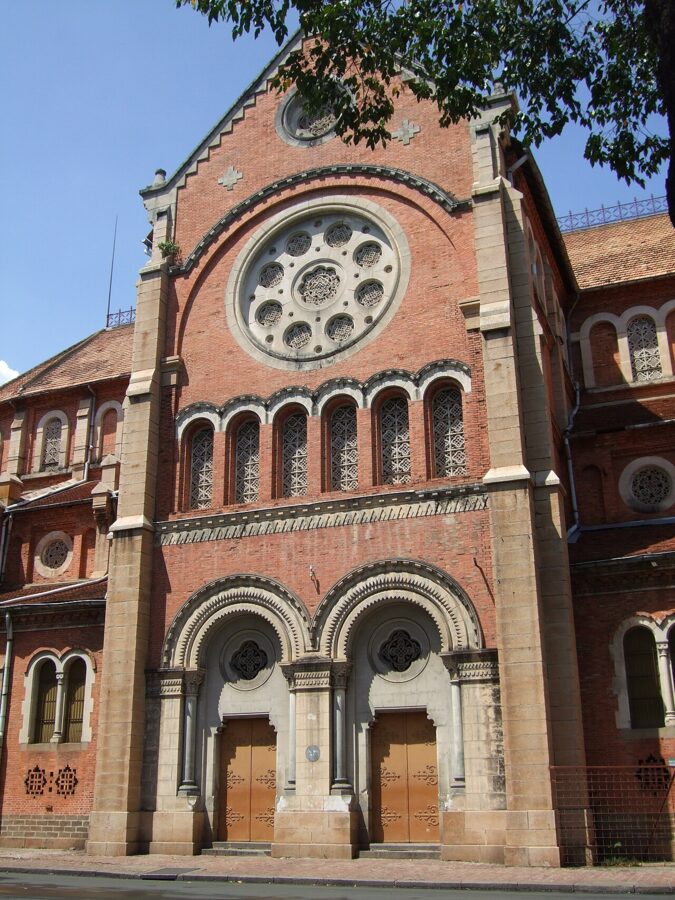
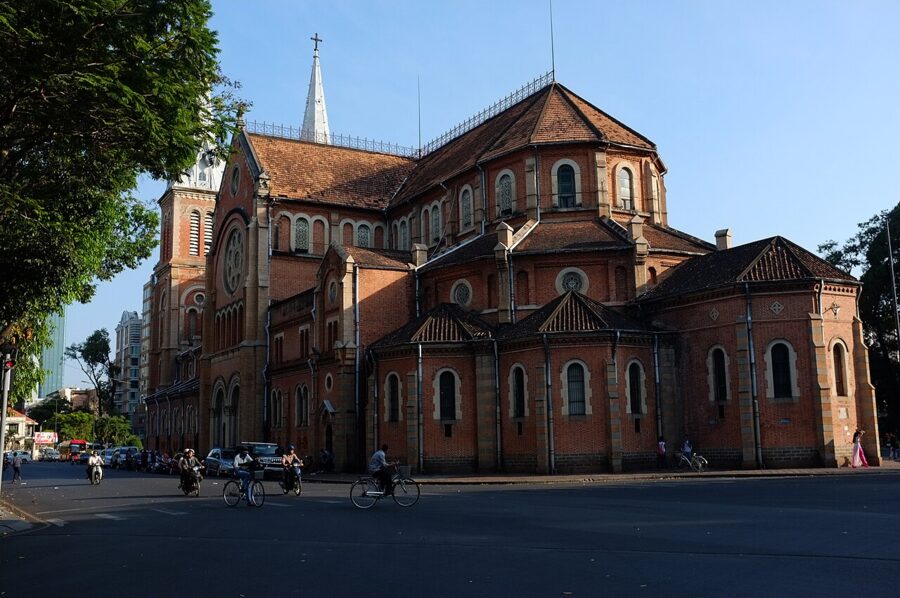
Walk down the side and the building turns from showpiece to sheer mass of brickwork: tall arched windows, round oculi, buttresses and rows of small arches under the eaves. Each arm of the transept has its own small facade, and at the far end the apse breaks into a cluster of chapels, best seen from Lê Duẩn Street, which runs straight to the Reunification Hall.

Six bells and a stand-in carillon
The cathedral has six bronze bells cast in France and shipped to Saigon in 1879, each named for a note. The largest, Sol, weighs around 8.5 tonnes, with a mouth more than two meters across; La and Si follow at about 5.9 and 4.2 tonnes. Sol hangs with Do, Re and Mi in the right-hand tower as you face the front, La and Si in the left, and with their counterweights the set comes to about 29 tonnes.
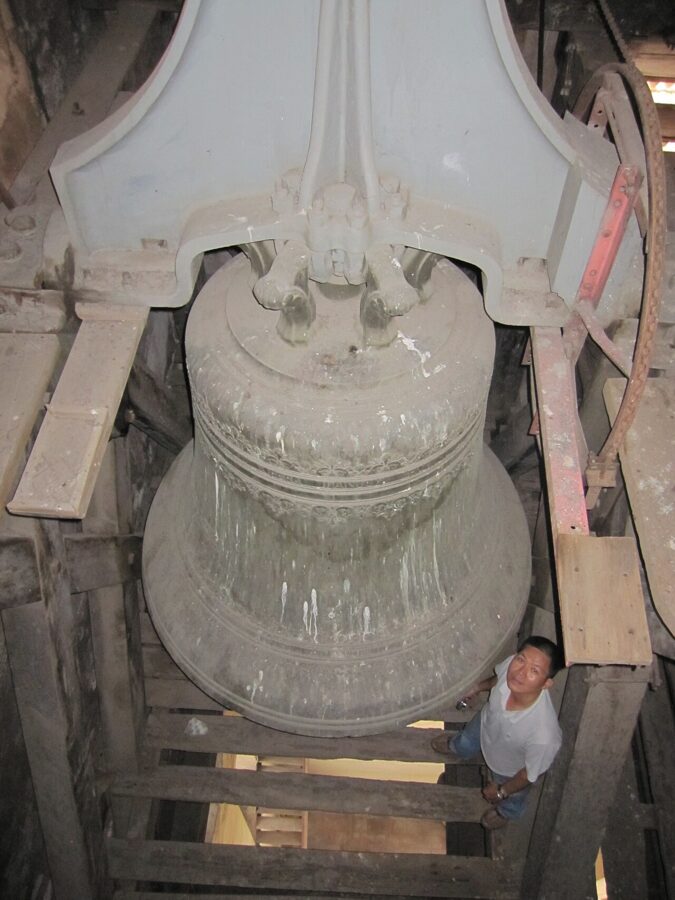

For most of the twentieth century the small bells marked the day, Mi at 5am and Re at 4:15pm, with all six rung only on the greatest nights, such as Christmas Eve. They have been silent since about 2022: the parish stopped ringing them because the damaged bell frames could put the structure at risk. In their place, a carillon of 25 small bells in a German fir frame stands in the forecourt; Archbishop Joseph Nguyễn Năng blessed it on December 23, 2022, and four of its bells carry the names of the archbishops who have led the archdiocese since 1960.
Inside: windows, chapels and plaques
If you go to Mass, this is what you’ll be sitting in. The nave runs between two rows of six square pillars, for the twelve apostles, with an aisle on each side and a ring of chapels beyond, more than twenty side altars in all. The light is soft and even, and the vault rises 21 meters overhead.
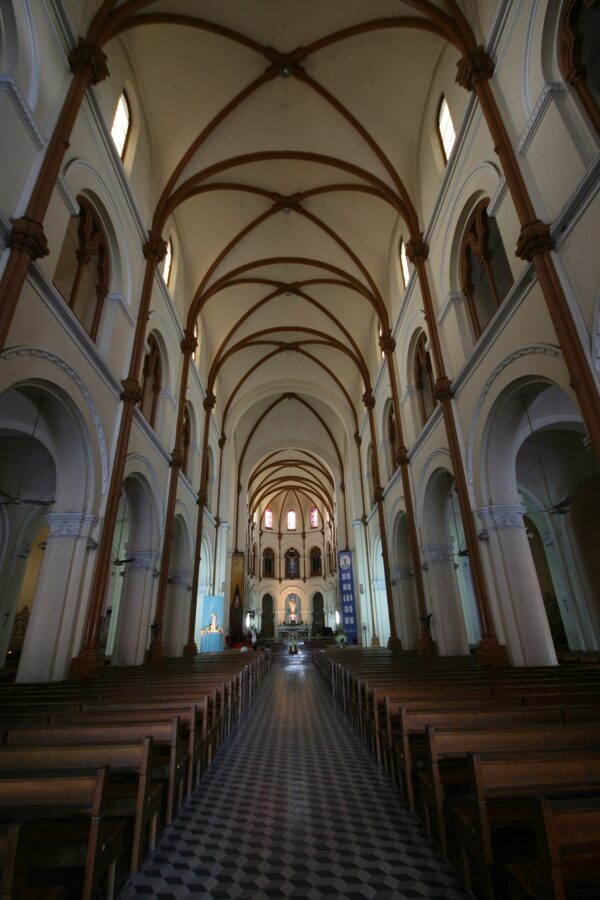

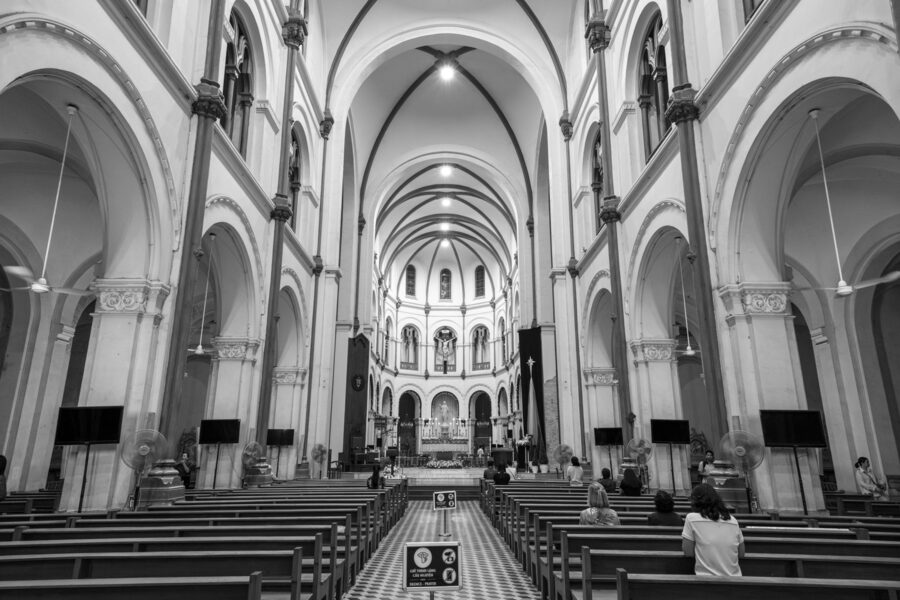
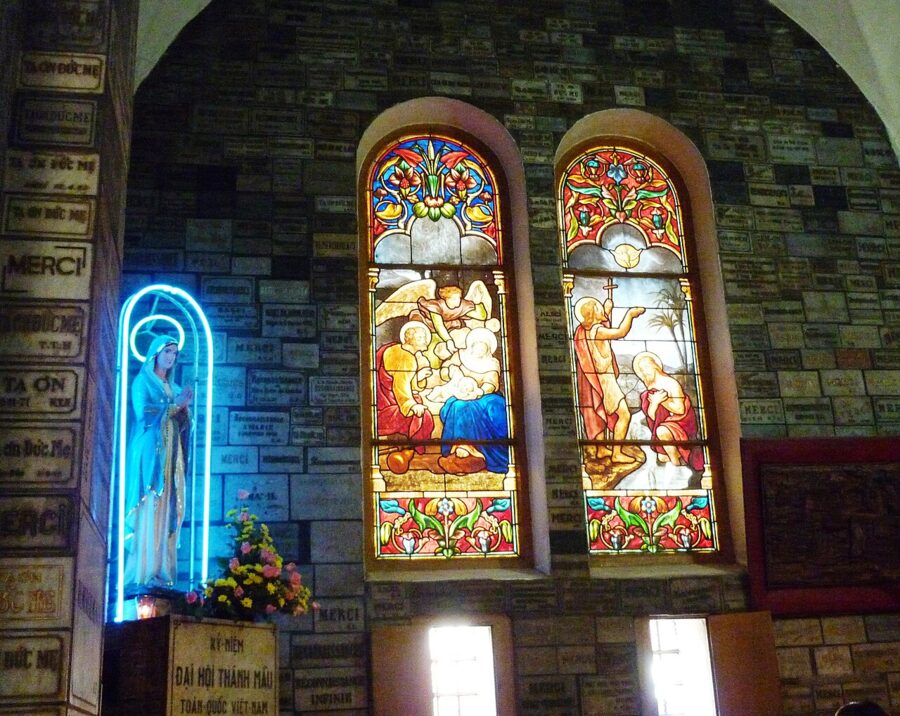
The stained glass came from the Lorin workshop in Chartres, the French town known for its cathedral glass. There were 56 windows of saints and Bible scenes. Most were destroyed in the Second World War and remade around 1949; Vietnamese accounts of the building say only four of the originals survive intact.
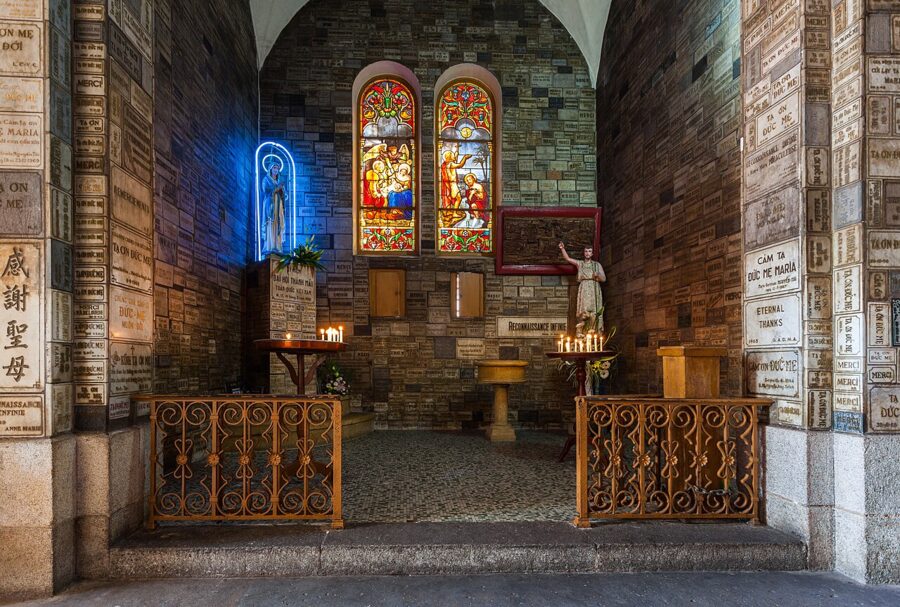

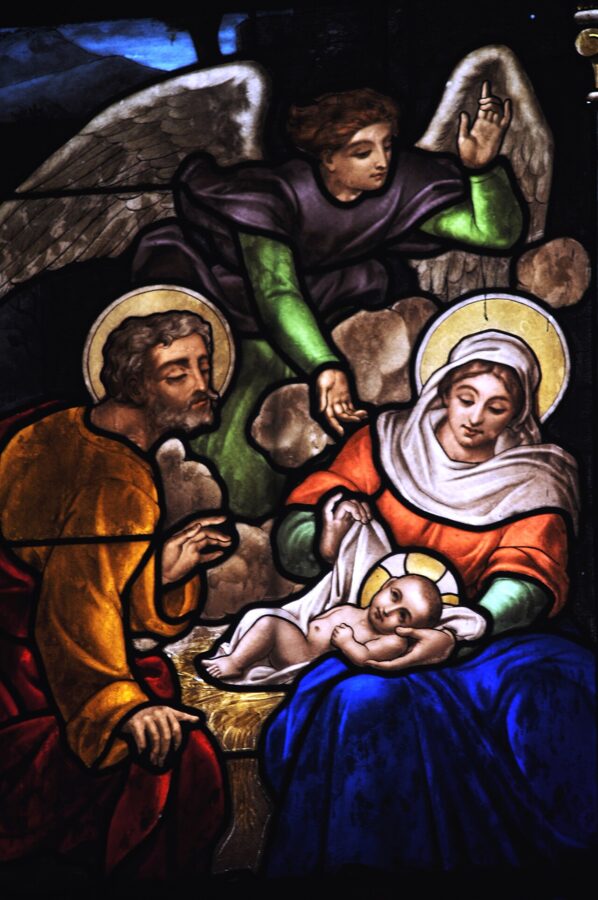

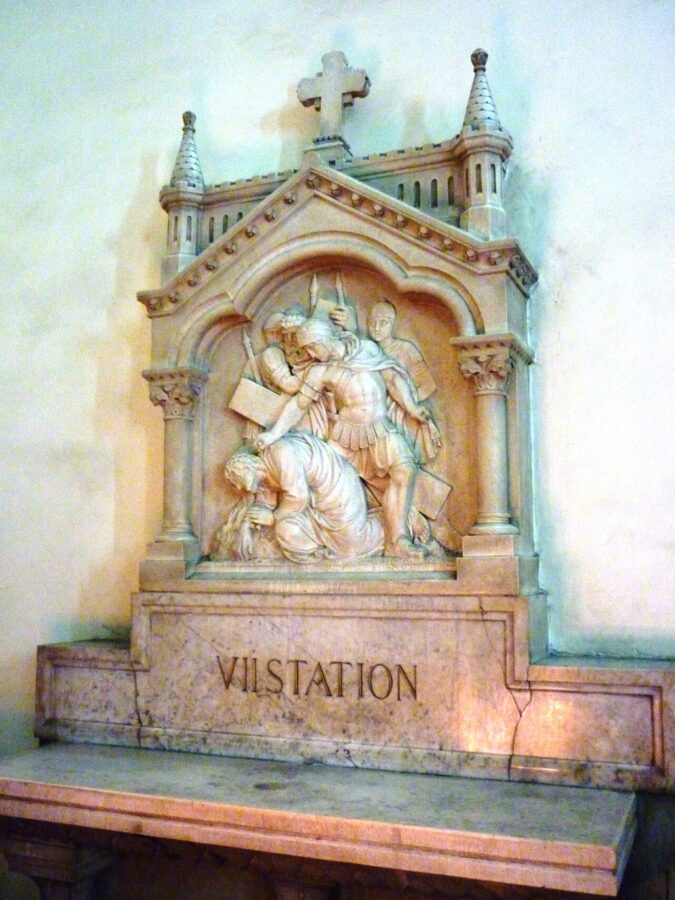
The chapels are where the cathedral’s private history lives. The walls of the Lady chapel are covered with small marble plaques, each saying thank you for a prayer answered. The fourteen Stations of the Cross are carved in white stone and set into altars around the aisles.


Above the main door, in the organ loft, sits a hand-built pipe organ, one of the two oldest in Vietnam. It no longer plays; termites ate into the wooden keyboard. The marble high altar, with six angels carved straight into the block, now serves as the tabernacle behind the newer altar of 2000.
The restoration, 2017 to now
On Holy Thursday 2015, Archbishop Paul Bùi Văn Đọc announced that the cathedral would be fully restored, and in September that year he appealed to Catholics for the money. After 135 years, he wrote, natural wear, dust and the exhaust of the traffic around the church had left the roof, the towers, the load-bearing beams and the vaults at the east end in a serious state.
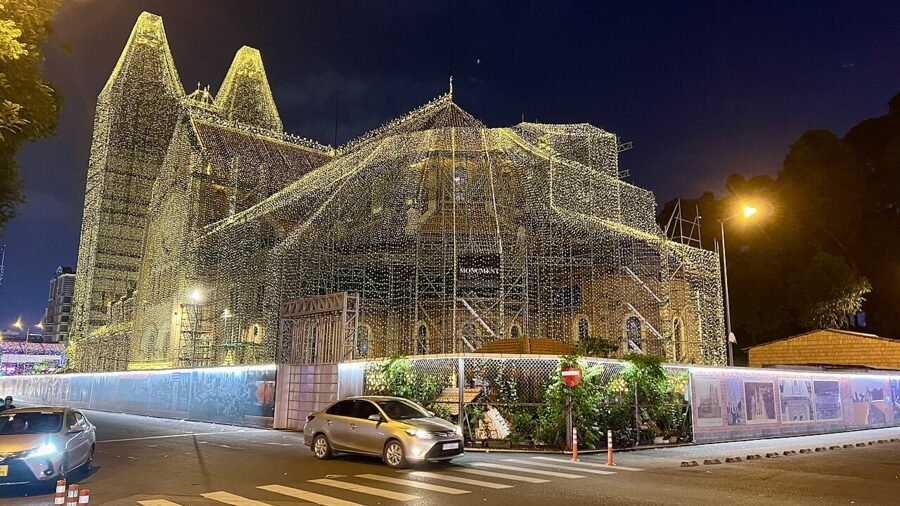
A committee led by the vicar general, Father Ignatius Hồ Văn Xuân, who became parish priest in 2016, took charge. Work began on June 29, 2017, the feast of Saints Peter and Paul (some reports give July 1). The contractor is Monument Group of Ingelmunster in Belgium, a firm that has worked on Rouen cathedral in France and the cathedral of Tournai in Belgium.

Why it takes so long
The archdiocese first hoped for two or three years. Father Xuân has told reporters that on his first trip to Belgium the bishop of Tournai, whose own cathedral had been under repair for twenty years, warned him that a century-old church could not be restored that fast. Then Covid stalled deliveries for two years, and the war in Ukraine pushed up prices for European materials.
Nearly everything is imported to match the original: cement from Belgium, sand, tiles and mortar from France and Germany, and new zinc sheet for the spires, ordered in France. The eroded corner stones of the towers were Paris limestone. They have been replaced with nearly 90 tonnes of a harder French limestone, shaped in Belgium to a tolerance of one millimeter; the old blocks, each weighing tonnes, were cut into 500-kilogram pieces and lowered by hoist.
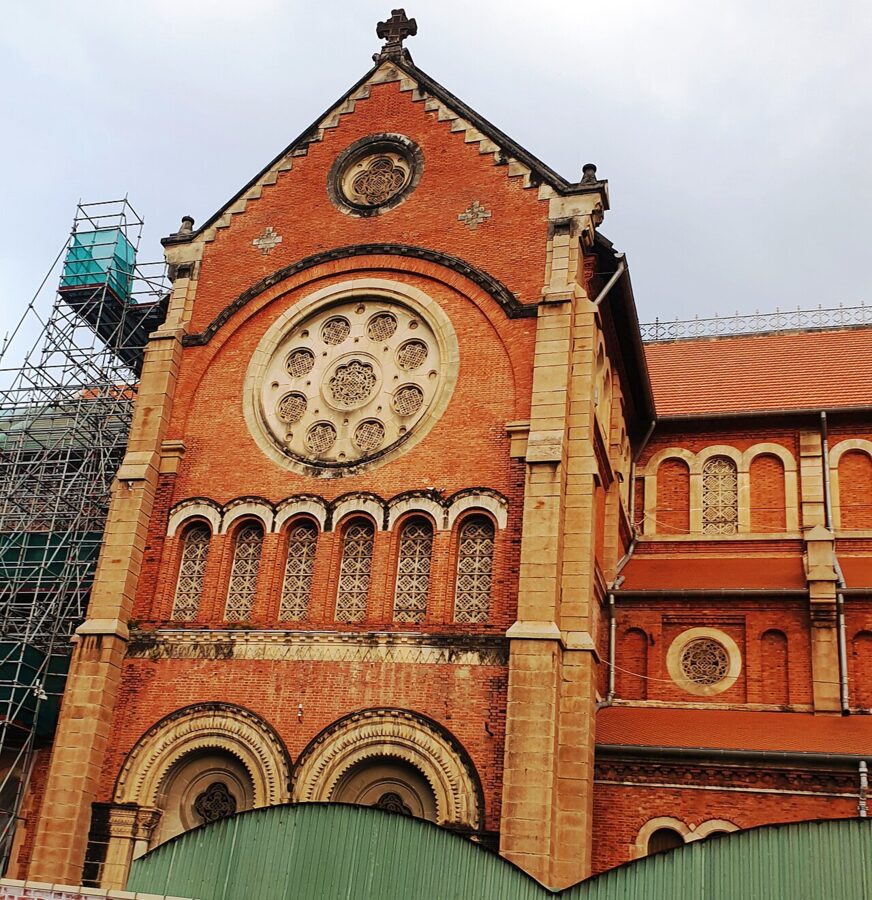

The brick walls were their own slow job. Damaged bricks were chiseled out one at a time and new ones set in, and where gaps were too small a special mortar was injected. Father Xuân said they expected to replace a few dozen bricks; close inspection found far more. The 2023 estimate for the whole project was 140 billion₫ (about US$6 million at the time), and he has since said costs have risen; the money comes from the archdiocese and from Catholics in Vietnam and abroad.
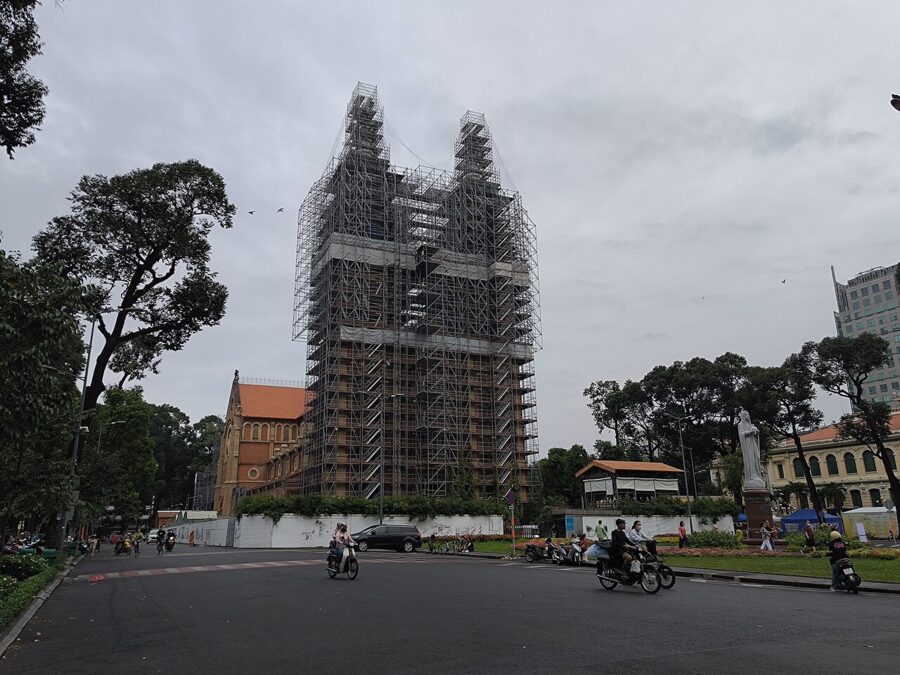

The crosses come back
The two old crosses came down on March 6, 2023, after nearly 130 years; tests showed they were too far gone to save. Their replacements were made in Belgium over almost two years, following the original design: steel, about 3.7 meters tall and 1.85 meters wide, roughly 400 kilograms each, covered in ultra-thin gold leaf and set on gilded zinc lilies.
They crossed by sea in about five weeks. Archbishop Nguyễn Năng blessed them on December 8, 2025, the feast of the Immaculate Conception, and they stood inside the main doors through the winter. At 8am on March 19, 2026, the feast of Saint Joseph, a crane lifted the first one onto the tower on the school side and then the second onto the post office side.
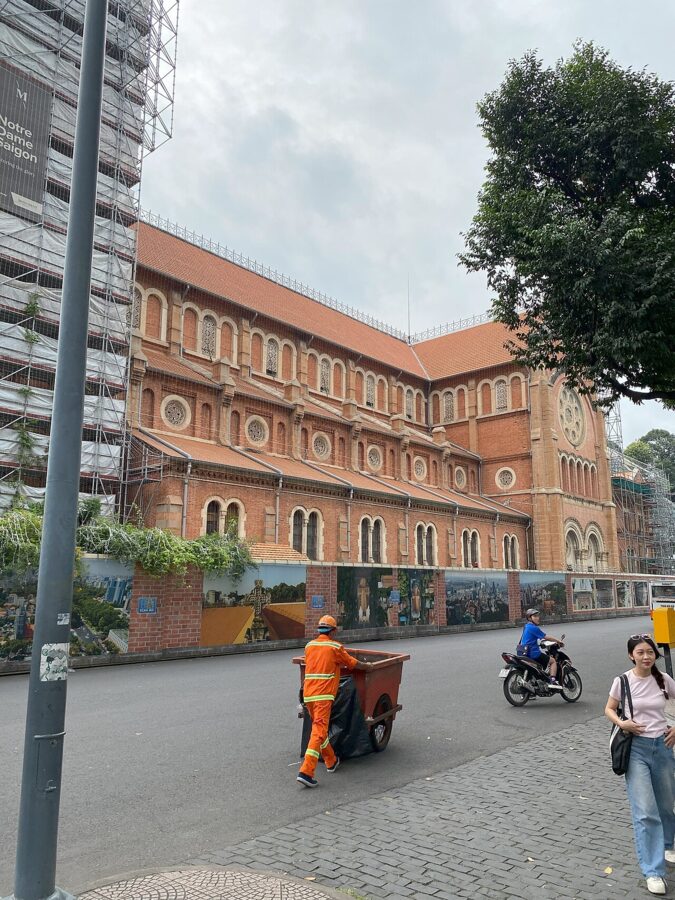

Where it stands in late 2026
With the towers and crosses done, the restoration has moved to the finishing work. The plan the parish gave the press in December 2025 was to put scaffolding inside the nave after the Jubilee Year closed, to repair damp walls and damaged structure, then finish exterior lighting, the last roof tiles, gutters, ridge ornaments and lightning protection, and repaint the interior. Father Xuân said that month that the work cannot be finished in 2027, and the parish’s restoration page gives no new completion date.
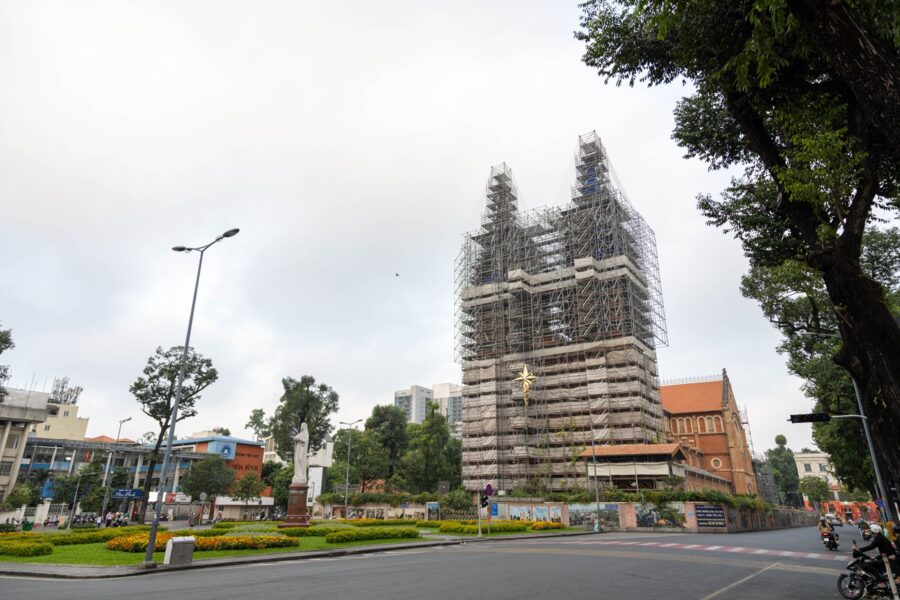
As of November 2026, the parish website states that tourists cannot visit the church during the restoration, but that it remains open for the faithful at daily Mass. Expect some scaffolding on or inside the building whenever you go, and check the notice on the parish website before you plan around a particular view.
Visiting Notre-Dame Cathedral now
The cathedral’s address is 1 Công xã Paris, Sài Gòn ward, Ho Chi Minh City (Bến Nghé ward, District 1, before the 2025 reorganization). The square around it is a public space, open day and night.
Mass times and what is open
There is no ticket and no sightseeing entry while the restoration lasts. Going to Mass is the way in, and visitors who come to worship are welcome. These are the parish’s published times as of November 2026:
| Day | Mass times |
|---|---|
| Monday to Saturday | 5:30am and 5:30pm (the Saturday 5:30pm Mass is the Sunday vigil) |
| Sunday | 5:30am, 8am, 9:30am (in English), 4pm, 5:30pm and 7pm |
| Thursday | Eucharistic adoration at 8pm |
| Friday | Rosary at 8pm |
The 9:30am Sunday Mass in English is the obvious choice for most visitors. Arrive ten minutes early, cover your shoulders and knees, keep your phone away, and save photographs for the square outside. Priests hear confession before and during Sunday Masses and after weekday ones.
Getting there
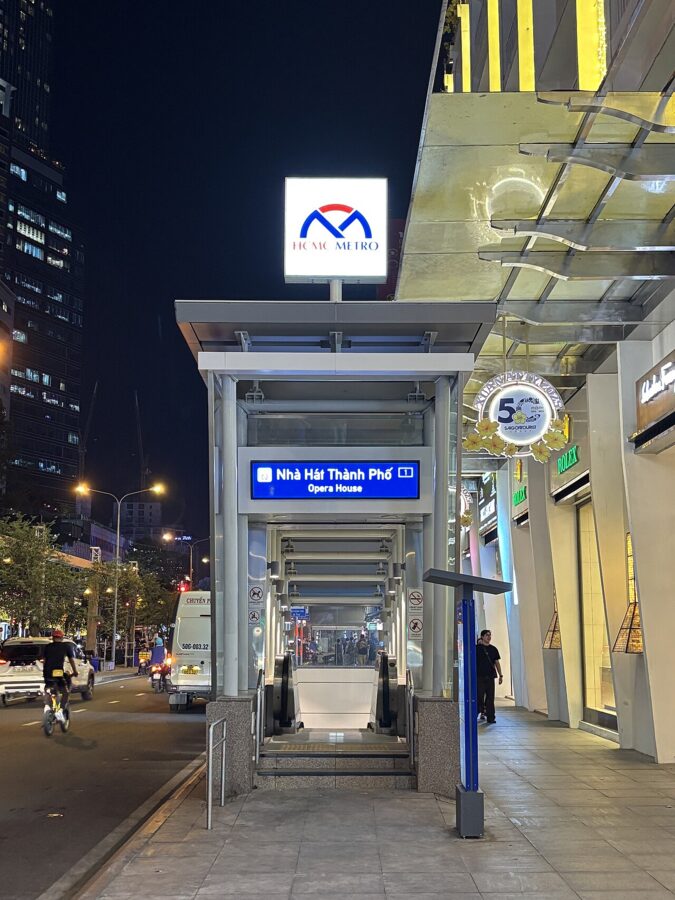
Grab and Be drivers all know it; type Nhà thờ Đức Bà and you’ll be dropped at the edge of the square. Metro Line 1 stops at Opera House station (Ga Nhà hát Thành phố), in front of the Municipal Theatre; from there it is about ten minutes on foot up Đồng Khởi Street, the old Rue Catinat, to the cathedral steps.
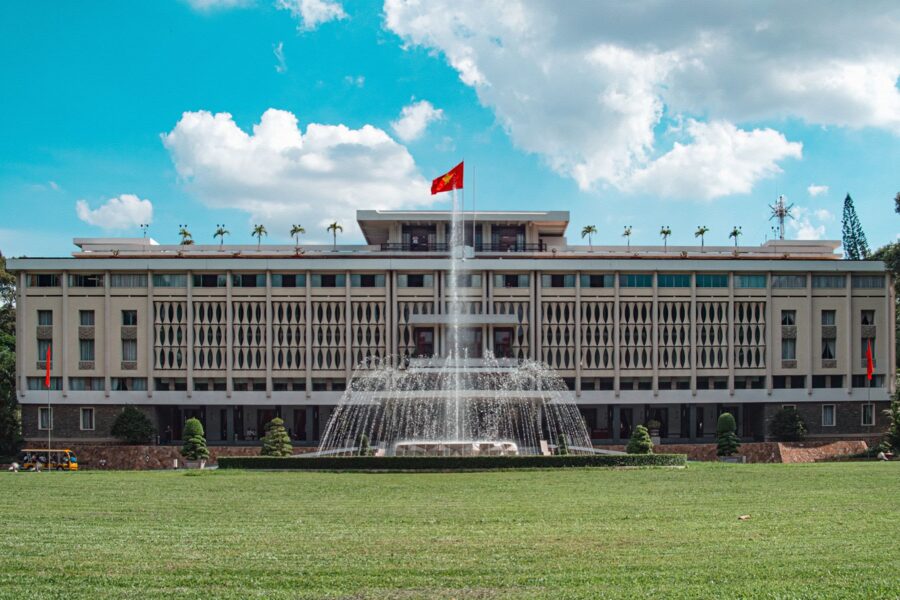
On foot, the Reunification Hall is five or six minutes away along Lê Duẩn Street, which runs from the hall’s gates to the apse of the cathedral. Bến Thành Market is about 20 minutes away through the center, and the War Remnants Museum about 15. In the midday heat, a Grab motorbike for the same distances costs very little and saves a lot of sweat.
When to go and how long to allow
Allow twenty minutes to walk round the outside properly, an hour if you add the post office and the book street, and about an hour for Sunday Mass. Early morning, before 8am, is cool and quiet, and the low sun warms the brick. Late afternoon and early evening are livelier and good for photographs of the facade with people on the square.
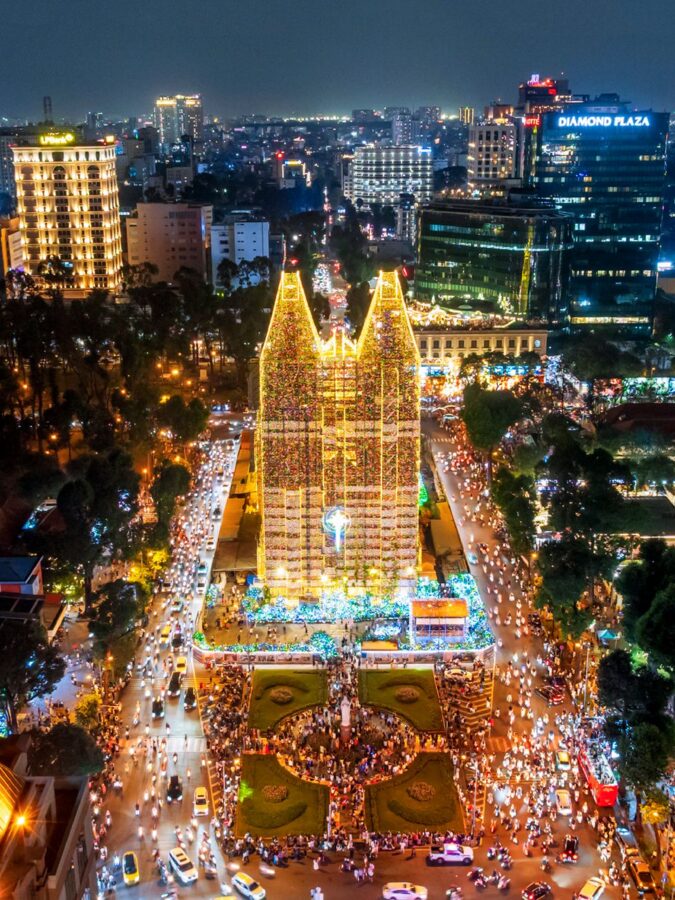
December is a different place. In 2025 the cathedral was strung with lights for Christmas and the square was full every evening, and Christmas Eve draws some of the biggest crowds of the year. If you want to attend Mass that night, go very early.
Around the square
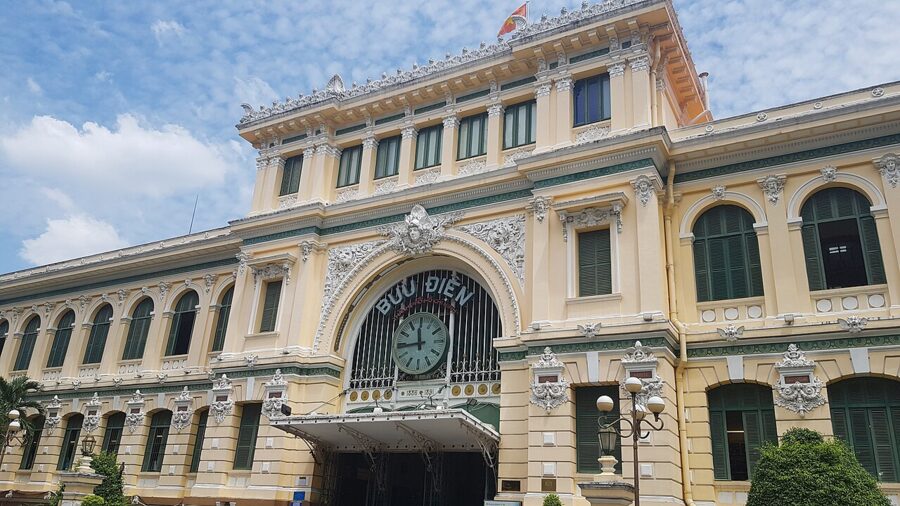
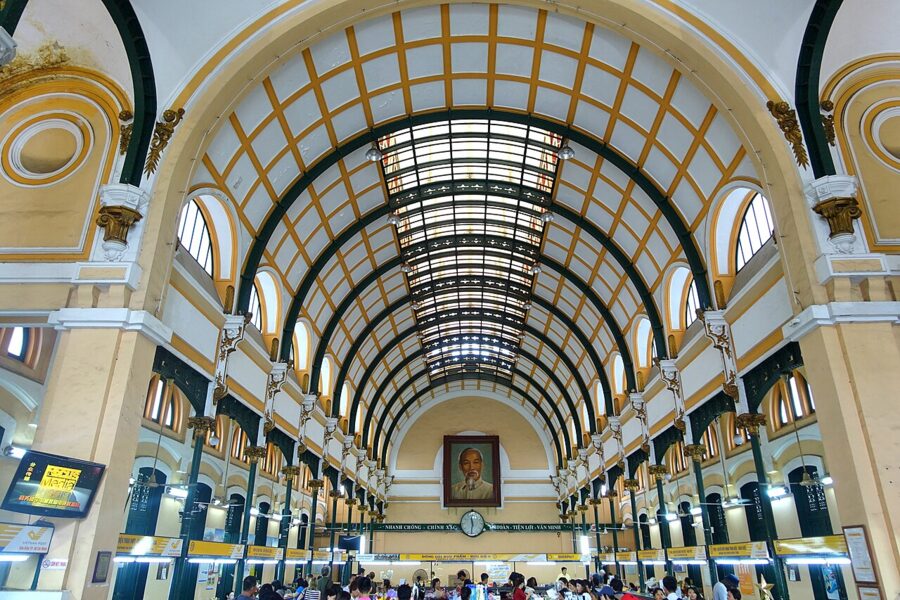
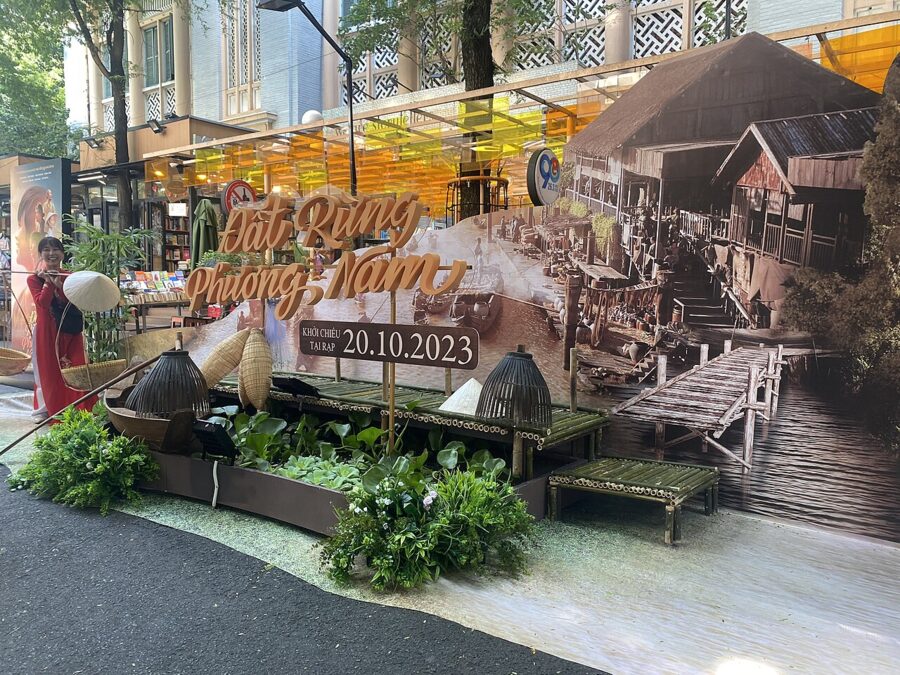
Across the lawn stands the Central Post Office, still a working post office under its iron-and-glass vault, and the natural second stop. Along its side, Nguyễn Văn Bình Street is the city’s book street, a shaded pedestrian block of bookshops, stalls and cafés.


From there it is easy to link the cathedral with the Reunification Hall (Dinh Độc Lập) at the end of Lê Duẩn and the War Remnants Museum beyond it, or to walk down Đồng Khởi to the Municipal Theatre (Nhà hát Thành phố) and on to Bến Thành Market (Chợ Bến Thành). All of them in one morning is a lot in the heat; the cathedral, the post office and the hall fit comfortably before lunch.
Whatever else you do, come back for the 5:30 some evening. The doors open, the weekday congregation walks in out of the traffic, and for half an hour the building does what it was built for, scaffolding or not.